Former Niger Delta militant leader Asari Dokubo has cast significant doubt on the effectiveness of a recent United States military strike reportedly conducted in Nigeria’s Sokoto State. Dokubo vehemently dismissed claims that the operation successfully neutralised any armed groups, describing the alleged intervention as largely ineffective and potentially hazardous to non-combatants. Reports had indicated that the strike, purportedly authorised by then-US President Donald Trump, aimed to target elements of the Islamic State in Iraq and Syria (ISIS) operating within the region.
Reacting forcefully to the initial reports, Dokubo asserted that the US military action failed to engage any legitimate armed groups. He alleged that the explosives were deployed into an open field, thereby posing an unnecessary risk to the lives of innocent civilians in the vicinity rather than confronting designated targets. Furthermore, the controversial figure contended that the operation primarily involved the deployment of surveillance drones over Sokoto State, rather than decisive, impactful air power capable of eliminating terrorist elements.
Dokubo did not stop at mere allegations; he issued a direct challenge to both Nigerian authorities and the international community to present verifiable evidence confirming any terrorist casualties from the operation. He maintained that the official narrative surrounding the strike was fundamentally misleading and lacked any credible basis. This public call for accountability underscores a broader skepticism regarding the transparency and efficacy of certain foreign military interventions in the West African nation.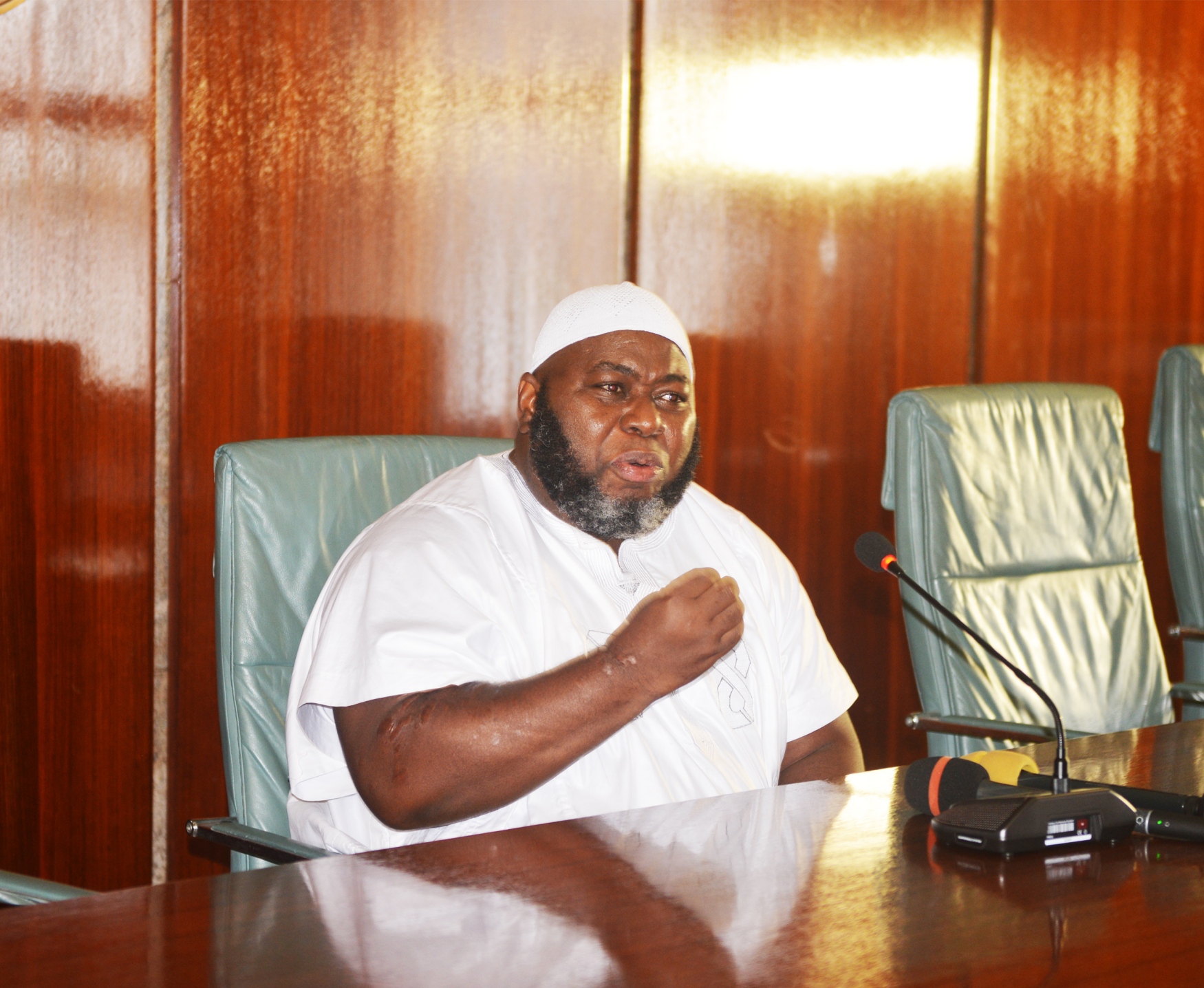
The United States maintains a multifaceted counter-terrorism strategy across Africa, often involving intelligence sharing, training for local forces, and targeted operations against extremist groups. In recent years, concerns have grown over the expansion of groups affiliated with ISIS and Al-Qaeda in the Sahel and West Africa, including in Nigeria’s northern regions. US military presence and involvement typically focus on supporting partner nations in degrading these threats, often through advisory roles and, at times, precision airstrikes when deemed necessary and authorised.
Sokoto State, like much of Nigeria’s Northwest, has grappled with severe security challenges, primarily from heavily armed bandit groups responsible for widespread kidnapping, extortion, and violence against communities. These criminal networks have, in some instances, been reported to forge alliances or adopt tactics similar to established terrorist organisations. The Nigerian military and other security agencies are engaged in ongoing operations to restore peace and order, often facing complex and fluid battlefield conditions.
Dokubo’s contentious remarks, emanating from a figure with a history of involvement in Nigeria’s socio-political landscape, carry potential implications for public trust and perception. Such allegations, particularly when unrefuted by official sources, can fuel narratives of ineffective security operations and raise questions about the true impact of international assistance. They highlight the critical need for transparent communication from all parties involved in security interventions to maintain credibility among the populace.
While reports of a US airstrike circulated at the time, official confirmation detailing its precise targets, methods, or outcomes from either the United States or Nigerian governments has remained largely elusive or unspecific in the public domain. This lack of definitive information creates an environment where alternative accounts, such as Dokubo’s, can gain traction and contribute to public debate. The challenge of verifying claims in complex operational environments often complicates efforts to provide immediate and comprehensive details.
Nigeria and the United States share a long-standing security partnership focused on combating terrorism, improving regional stability, and enhancing Nigeria’s defence capabilities. Joint exercises, intelligence exchanges, and military training programs are regular features of this collaboration. However, incidents like the one alleged in Sokoto, especially when met with public skepticism, underscore the delicate balance required in maintaining bilateral trust and ensuring that security interventions align with national sovereignty and public expectations.
In an era marked by rapid information dissemination and the proliferation of various viewpoints, the ability to control narratives surrounding military operations becomes increasingly difficult. Public figures like Dokubo, regardless of their past, can significantly influence discourse, particularly when official channels are perceived as opaque. This situation necessitates robust communication strategies from governments to counter potential misinformation and uphold public confidence in their security apparatus.
The former militant leader’s demand for concrete proof reflects a broader societal desire for transparency and accountability concerning military actions, especially those involving foreign powers on sovereign soil. For operations to be genuinely effective and to garner public support, clear communication regarding their objectives, execution, and outcomes is paramount. Without such clarity, the risk of undermining security efforts through skepticism and distrust remains a significant challenge for authorities.
“The U.S. army str!ke in Sokoto did not harm any båndits. They only dropped b0mbs in an open field, endangering the lives of innocent people. What they actually sent to Sokoto State were drones. This is very shameful, and I don’t believe this lie at all. I challenge anyone in… pic.twitter.com/fVZx94Vjy3
— CHUKS 🍥 (@ChuksEricE) December 27, 2025