Nigeria’s health sector aims for a fresh start. The Health Ministry and the ICPC (Independent Corrupt Practices and Other Related Offences Commission) are joining forces to boost transparency in primary healthcare (PHC) infrastructure projects. Essentially, they’ve signed a multi-year agreement.
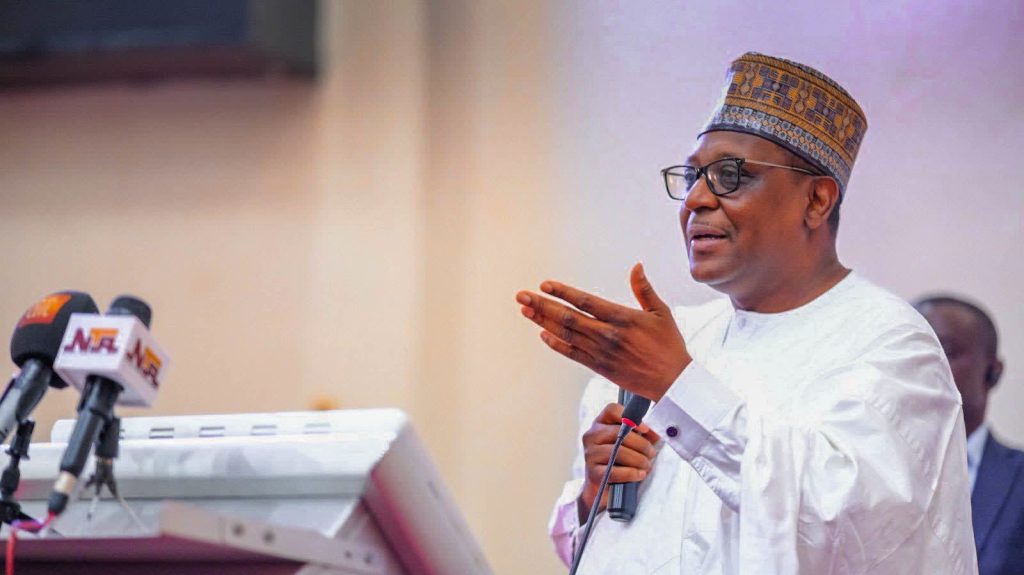
The goal is straightforward: make sure funds allocated to upgrading PHCs across Nigeria’s 774 local government areas actually reach their intended target. Minister Muhammad Pate highlighted this partnership, emphasizing transparent monitoring, tracking, and auditing of expenditures. This initiative is part of broader health sector reforms. The hope? Better service delivery and efficient resource use.
The ICPC will deliver real-time reports on project progress, a crucial step before projects get the final stamp of approval. It’s worth noting that the ministry has also deployed Performance and Financial Management Officers (PFMOs) nationwide. They’ll continuously assess rehabilitation work and the operational performance of these health centers. This move is supported by President Tinubu’s National Health Fellows program, which involves young professionals working to bolster accountability.
These measures could mean improved PHC services across Nigeria. Yet, similar initiatives have surfaced before. The key now will be consistent enforcement and genuine commitment. Will this collaboration break the cycle of corruption that often plagues such projects? Time will tell. What’s different this time might just be the multi-layered oversight – ICPC, PFMOs, and the Fellows – a potential deterrent. The combined oversight roles signal a commitment to integrity in health financing. This is a renewed call to reclaim the nation, reject setbacks, and affirm a new social contract grounded in renewed trust.
Keywords: Nigeria health sector, PHC infrastructure, health ministry ICPC, transparency health projects, health sector reforms, national health fellows, primary healthcare Nigeria, health financing integrity

![[post_title]](https://samony.com.ng/wp-content/uploads/2025/12/Non-oil-sector-drives-Nigerias-economic-expansion-by-398-300x171.jpeg?lm=692E560C "Nigeria’s GDP: The Headline Sounds Great, But What’s Really Going On?")

![[post_title]](https://samony.com.ng/wp-content/uploads/2025/12/We-dont-know-these-DTigers-says-coach-Odah-300x190.jpg?lm=692E4D91 "D’Tigers’ Qualifying Woes: Nigerian Basketball’s Systemic Faults")
![[post_title]](https://samony.com.ng/wp-content/uploads/2025/12/1764641218_NASCAR-US-news-Denny-Hamlin-takes-the-stand-in-high-stakes-300x200.png?lm=692E49C5 "NASCAR US news: Denny Hamlin takes the stand in high-stakes NASCAR antitrust trial")
![[post_title]](https://samony.com.ng/wp-content/uploads/2025/12/Tuface-Management-Cries-Out-Over-Artistes-Dwindling-Fortunes-After-Marriage-300x229.jpg?lm=692E4B0B "Tuface Management Cries Out Over Artiste’s Dwindling Fortunes After Marriage To Natasha")
![[post_title]](https://samony.com.ng/wp-content/uploads/2025/12/Nigerias-Economy-Grows-398-In-Q3-2025-300x192.jpg?lm=692E47D4 "Nigeria’s Economy Grows 3.98% In Q3 2025")

![[post_title]](https://samony.com.ng/wp-content/uploads/2025/12/1764643949_5-Small-Towns-With-the-Best-Christmas-Spirit-That-Make-1024x726.jpg?lm=692E5471 "5 Small Towns With the Best Christmas Spirit That Make Retirement More Cheerful")
![[post_title]](https://samony.com.ng/wp-content/uploads/2025/12/Hotos-slick-rechargeable-tools-are-still-over-60-percent-off-1024x532.png?lm=692E54F2 "Hoto’s slick, rechargeable tools are still over 60 percent off for Cyber Monday")
![[post_title]](https://samony.com.ng/wp-content/uploads/2025/12/Non-oil-sector-drives-Nigerias-economic-expansion-by-398.jpeg?lm=692E560A "Nigeria’s GDP: The Headline Sounds Great, But What’s Really Going On?")