

Analyzing Nigeria’s Food Price Trends: A Mixed Bag in September 2025
Nigeria’s food price landscape always merits close attention. Recent data from the National Bureau of Statistics (NBS) points to a mixed performance in September 2025. Certain staples, like beans, garri, maize, and tomatoes, experienced price dips. Yet, beef and local rice defied this trend, with beef experiencing a significant year-on-year increase. Digging deeper unveils a complex picture, one that demands more than just a surface-level reading.
The NBS report highlights a notable decrease in the average price of brown beans (33.70% year-on-year), white garri (25.51%), white grain maize (16.57%), and tomatoes (10.56%). Those are decent drops. This is welcome news for consumers feeling the pinch. But are these reductions substantial enough to significantly impact household budgets? That’s the key question.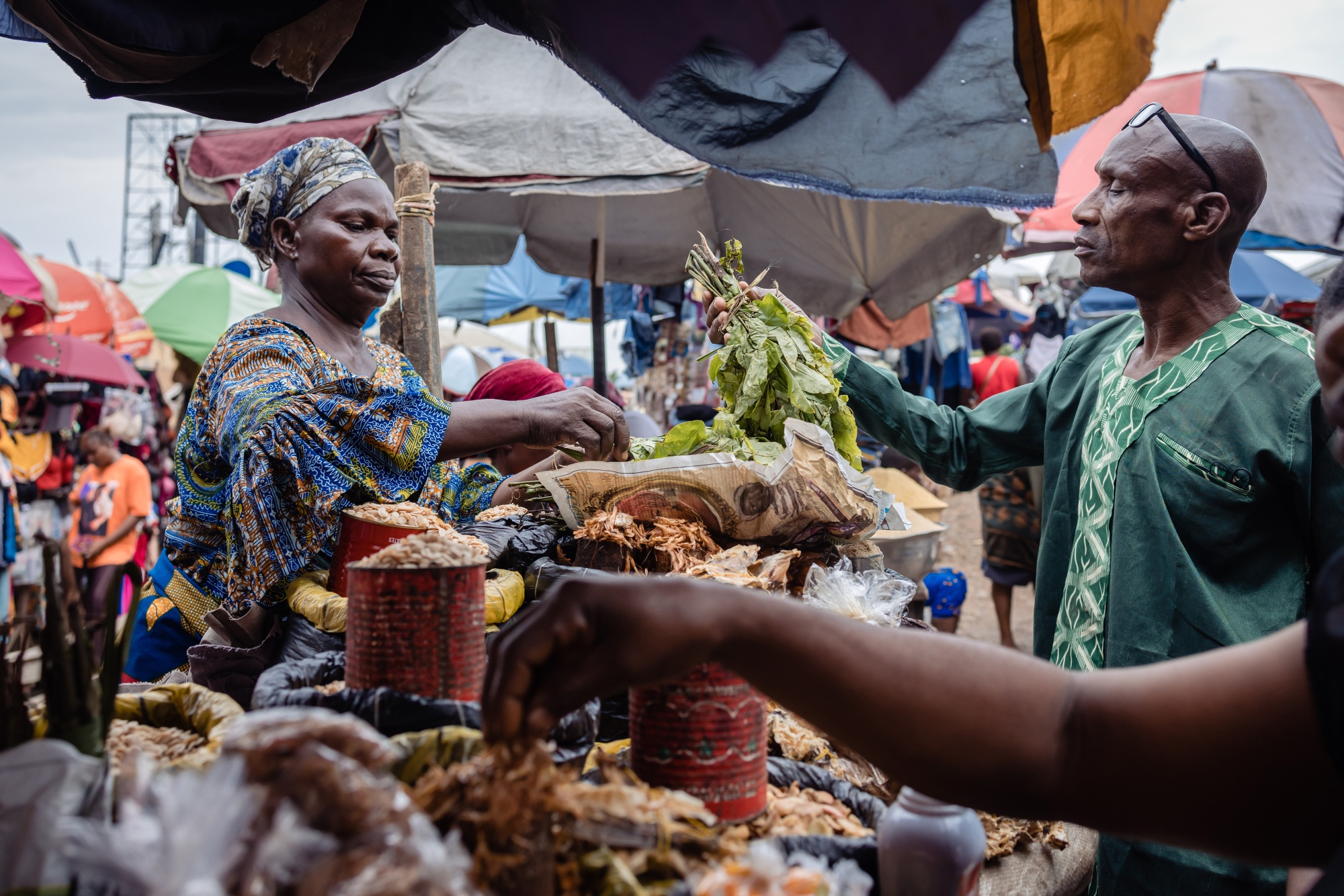 >
>
One has to be wary of averages. The report uses average prices, and those numbers don’t always mirror the realities in local markets. What a consumer encounters in a bustling Lagos market could be radically different from what someone pays in a rural village in Yobe.
Still, the fact that prices of essential items like garri – a widely consumed staple – have decreased is a positive signal. The 6.52% month-on-month drop suggests a cooling-off period, perhaps reflecting improved supply or government interventions. Maize, another crucial ingredient in animal feed and many household meals, also saw a similar decline. This could influence the prices of other food products down the line.
However, local rice bucked the trend. A 1.99% year-on-year increase, even if seemingly small, is still a climb. Considering the government’s push for local rice production and self-sufficiency, this rise is a bit perplexing. It makes you wonder about the effectiveness of these initiatives and whether supply chains are genuinely optimized. The slight decrease on a month-on-month basis (0.56%) provides some relief, but the overall picture indicates lingering challenges.>
Beef prices are another point of concern. A hefty 21.79% jump year-on-year raises questions about livestock management, feed costs, and the impact of insecurity in farming regions. Beef remains a relatively expensive protein source for many Nigerian families, and such an increase restricts access, further exacerbating nutritional issues.
Geographical disparities are also evident. For instance, Enugu recorded the highest average price for brown beans, while Yobe had the lowest. Similarly, Ebonyi faced the highest price for white garri, while Taraba enjoyed the lowest. Such regional variations are common in Nigeria, attributable to infrastructure gaps, transportation costs, and localized supply chain dynamics. These differences highlight the need for targeted interventions. A one-size-fits-all approach simply won’t cut it.
The zonal analysis further emphasizes this point. The South-East and South-West regions consistently exhibit higher average prices for several food items. This might be linked to higher demand, logistical hurdles, or other region-specific factors. Understanding these dynamics is crucial for devising effective price control strategies.
It’s worth noting President Tinubu’s directive for a Federal Executive Council Committee to reduce food prices. This shows the government acknowledges the problem and is attempting to address it. The focus on ensuring the safe passage of products across the country suggests a recognition of the role insecurity and logistical bottlenecks play in driving up costs. The effectiveness of this committee and its implemented measures remains to be observed. We need to see tangible results and a lasting impact on the market.
What’s driving these fluctuating food prices in Nigeria? It’s undoubtedly a confluence of factors. Insecurity in farming regions disrupts production and supply chains. High transportation costs, exacerbated by poor infrastructure and fuel prices, inflate the final prices consumers pay. Exchange rate volatility and import dependence for certain food items also play a significant role.
Furthermore, climate change is increasingly impacting agricultural yields, resulting in scarcity and higher prices. Years of experience reveal that these underlying problems require sustained and comprehensive solutions, not just short-term fixes.
This challenge demands a multi-pronged strategy. Investing in agricultural technology and infrastructure to enhance productivity is key. Strengthening security in farming communities to encourage production is another must. Finally, improving transportation networks and reducing logistical bottlenecks can go a long way in bringing prices down.
The September 2025 NBS report offers a snapshot of Nigeria’s food price situation. While some prices experienced dips, others rose, painting a mixed and complex picture. Sustainable solutions will require a holistic approach. This approach should tackles the root causes of food price volatility and improve the lives of ordinary Nigerians. Only time will tell if current strategies are enough to truly impact the persistent burden of rising food costs.


![[post_title]](https://samony.com.ng/wp-content/uploads/2025/12/4-Reasons-Tomatoes-Can-Upset-Your-Stomach-300x169.jpg?lm=6930DA5E "Decoding Tomato Troubles: A Gut-Level Guide to Digestive Harmony")
![[post_title]](https://samony.com.ng/wp-content/uploads/2025/12/NGX-Deepens-Market-Offerings-With-Commercial-Paper-Listings-300x212.png?lm=6930DAA8 "Nigeria’s Risky Bet: Will NGX’s New Debt Play Actually Pay Off?")
![[post_title]](https://samony.com.ng/wp-content/uploads/2025/12/1764809392_Nato-hits-back-at-Putins-threat-of-war-in-Europe-300x200.jpeg?lm=6930DAB4 "Geopolitics on Edge: Is Wider European Conflict a Rising Threat?")
![[post_title]](https://samony.com.ng/wp-content/uploads/2025/12/Senate-summons-finance-education-ministers-over-collapse-of-30m-Safe-300x200.jpeg?lm=6930DB39 "$44 Million for Safe Schools: Where Did It Go?")
![[post_title]](https://samony.com.ng/wp-content/uploads/2025/12/How-much-you-fit-withdraw-in-a-day-from-ATM-300x169.jpg?lm=6930C5C9 "Nigeria’s Cash Withdrawal Limits: Pragmatism, Mixed Signals, and the Unfolding Reality")

![[post_title]](https://samony.com.ng/wp-content/uploads/2025/12/Burna-Boy-Offers-to-Pay-Burial-Costs-for-Children-Killed.jpg?lm=6930DBD8 "Burna Boy Offers Funeral Support After Stockton Shooting")

![[post_title]](https://samony.com.ng/wp-content/uploads/2025/12/4-Reasons-Tomatoes-Can-Upset-Your-Stomach-1024x575.jpg?lm=6930DA5E "Decoding Tomato Troubles: A Gut-Level Guide to Digestive Harmony")
