

![[post_title]](https://samony.com.ng/wp-content/uploads/2025/12/1764976928_Niger-Gov-Bago-stresses-on-teamwork-synergy-among-govt-officials.jpg?lm=69336920)
Niger State’s Development Push: A Critical Look at Bago’s Strategy
Niger State Governor Umaru Bago is urging teamwork and synergy within his administration. A recent retreat for top officials underscored this point, emphasizing collaboration and innovative thinking. The goal? To propel the state forward. It’s a familiar refrain in governance, but is there substance behind the rhetoric?
We’ve all witnessed similar initiatives before. A new administration sweeps in, promising efficiency and cohesion. Consultants are brought in, retreats are organized, and PowerPoint presentations are deployed with gusto. Yet, the real question isn’t about the initial burst of enthusiasm; it’s about sustained implementation and demonstrable results.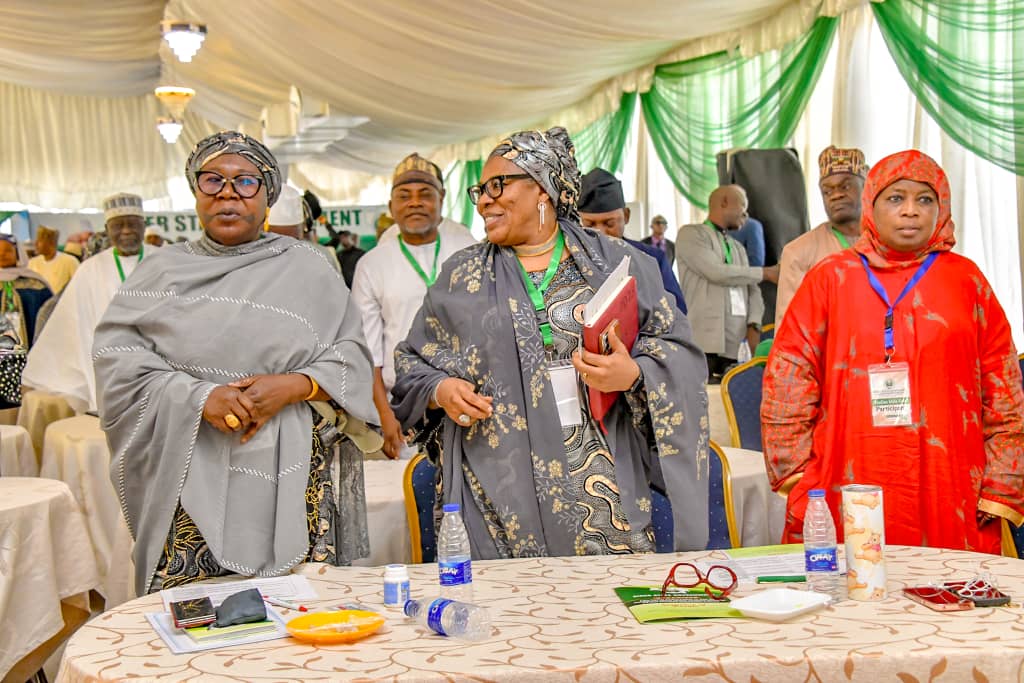 >
>
Governor Bago is emphasizing prudent resource management, aligning spending with the state’s vision. He highlighted education, health, and water as key priorities for the upcoming 2026 budget, with a promise to finish ongoing projects. It’s encouraging to see a focus on essential services, especially education, which is a cornerstone for long-term development. Still, the devil is always in the details. How will these funds be allocated? What metrics will gauge success? Transparency and accountability will be paramount.
The plan to empower local government vice chairmen to focus on women, widows, and children at the grassroots is interesting. This could free up council chairmen for administrative duties, streamlining operations. But will it truly empower these vice chairmen, or simply add another layer of bureaucracy? Will they have the resources and autonomy needed to effect change? It’s a challenge to successfully decentralize power and resources.
The governor called for officials to “think outside the box.” This is a common appeal, but true innovation requires more than just a slogan. It necessitates a culture that encourages experimentation, accepts failure as a learning opportunity, and rewards creative solutions. Does Niger State have such a culture in place? Time will tell.>
Niger State, like many others in Nigeria, faces significant development challenges. Poverty, inadequate infrastructure, and security concerns weigh heavily. Teamwork and synergy are undoubtedly crucial, but they are not a magic bullet. Effective leadership, sound policy, and the engagement of citizens are equally vital.
It’s worth considering the broader context here. Inter-agency rivalry, corruption, and political interference can undermine even the best-laid plans. Are these issues being addressed head-on? Or are they being swept under the rug in the name of unity? The latter approach, while seemingly expedient, will ultimately prove counterproductive.
Focusing the 2026 budget on education, health, and water is smart policy. These sectors have a tangible impact on the lives of ordinary citizens. Improved schools, better healthcare, and access to clean water can significantly enhance the quality of life and create a more conducive environment for economic growth. But effective implementation is where such policies either flourish or wither.
The decision to complete ongoing projects is also laudable. Abandoned projects are a drain on resources and a symbol of failed governance. Finishing these projects will not only provide much-needed infrastructure but also send a message that the government is committed to fulfilling its promises.
Ultimately, the success of Governor Bago’s initiative will depend on several factors: the commitment of his officials, the availability of resources, and the support of the people of Niger State. But beyond these, the true measure of success will reside in the tangible improvements witnessed in the lives of ordinary citizens. Are schools being renovated and properly staffed? Is healthcare accessible and affordable? Is clean water flowing freely? These are the questions that matter most.
I have seen similar grand plans announced with fanfare in the past, only to fade away into obscurity. What differentiates this initiative? How will Governor Bago ensure that it doesn’t suffer the same fate? The answers to these questions will determine whether Niger State is truly on a path to sustainable development or simply caught in a cycle of repeated promises and unfulfilled potential.
The emphasis on synergy sounds promising but risks being just another buzzword if not translated into concrete steps. Perhaps establishing clear communication channels, defining roles meticulously, and instituting regular performance evaluations could give the initiative some real bite.
Governor Bago’s call for teamwork could indeed mark a fresh start for Niger State. Yet, one cannot overlook the pervasive systemic challenges that often impede progress. It is essential to monitor closely how these strategies unfold, ensuring that they are not just well-intended aspirations but actual drivers of meaningful change. This requires more than just top-down directives; it needs genuine buy-in from all stakeholders and a relentless focus on tangible results.

![[post_title]](https://samony.com.ng/wp-content/uploads/2025/12/Womans-two-year-journey-advocating-for-Auslan-support-highlights-cracks-in-300x169.jpeg?lm=6933685B "Silenced Seniors: Deafness in Aged Care")

![[post_title]](https://samony.com.ng/wp-content/uploads/2025/12/1764976918_Trumps-White-House-trolls-Sabrina-Carpenter-in-video-about-criminal-300x158.jpeg?lm=69336918 "Content Weaponization: Trump, Carpenter, and the Meme War")
![[post_title]](https://samony.com.ng/wp-content/uploads/2025/12/1764976928_Niger-Gov-Bago-stresses-on-teamwork-synergy-among-govt-officials-300x200.jpg?lm=69336921 "Niger State’s Great Leap Forward? What Bago’s Teamwork Push Really Means")
![[post_title]](https://samony.com.ng/wp-content/uploads/2025/12/Welcome-to-the-big-leagues-Netflix-300x156.jpg?lm=693365C8 "Netflix Eyes Warner Bros: A Streaming Giant’s Hollywood Power Play?")
![[post_title]](https://samony.com.ng/wp-content/uploads/2025/12/An-diesem-beliebten-Mallorca-Strand-sind-neue-Benimmregeln-geplant-300x158.jpg?lm=6933533D "Sóller’s Beach Ban: Paradise Lost or Sanity Restored? Mallorca’s Urgent Debate")



![[post_title]](https://samony.com.ng/wp-content/uploads/2025/12/Womans-two-year-journey-advocating-for-Auslan-support-highlights-cracks-in.jpeg?lm=6933685A "Silenced Seniors: Deafness in Aged Care")
