

![[post_title]](https://samony.com.ng/wp-content/uploads/2025/12/1765959796_Nicotine-pouches-Do-they-work-are-they-safe-and-are.jpg?lm=69426874)
Nicotine pouches, small tobacco-free sachets gaining significant traction, are at the centre of an escalating public health debate across the UK and US. Marketed as a discreet and less harmful alternative to traditional smoking and vaping, these products deliver a nicotine buzz by being placed between the lip and gum. Their rapid rise in popularity, particularly among younger demographics, has prompted health experts and regulators to scrutinise their safety, addictive potential, and the current regulatory landscape.
Introduced to the UK market in 2019, brands like ZYN, Velo, and Nordic Spirit have become increasingly visible. Unlike approved nicotine replacement therapies (NRT) such as patches or gum, pouches are readily available in supermarkets and shops at low price points. Aggressive social media campaigns, often featuring influencers, promote them as “clean,” convenient, and discreet, with a wide array of appealing flavours like cinnamon and citrus, which critics argue attract younger, non-smoking consumers.
A key concern revolves around the current regulatory classification of nicotine pouches. They are categorised as consumer products, not medicinal products, meaning they bypass the stringent oversight of the Medicines and Healthcare products Regulatory Agency (MHRA). Furthermore, because they contain no tobacco, they fall outside the scope of Tobacco and Related Product Regulations. This regulatory gap has allowed them to be sold without age restrictions and extensive safety testing, unlike NRTs which require marketing licenses and rigorous evaluation.
Nicotine, a highly addictive substance, acts on brain receptors to release dopamine, creating pleasurable sensations. While research suggests nicotine absorption from pouches may be slower than from cigarettes, potentially making them less immediately addictive, the nicotine content within pouches varies significantly, with some brands containing levels higher than both cigarettes and approved NRT products. This variability raises substantial concerns about their true addictive potential, especially with prolonged use.
Despite being smoke-free and tobacco-free, nicotine pouches are not without health risks. Common side effects reported by users include nausea, vomiting, headaches, and heart palpitations. Nicotine stimulates the release of adrenaline and noradrenaline, which can elevate heart rate and blood pressure, increasing the heart’s oxygen demand. Dentists also express concern over potential oral health issues, such as dry mouth, sore gums, blisters, and receding gumlines, particularly with long-term use, which can exceed the typical course for oral NRTs.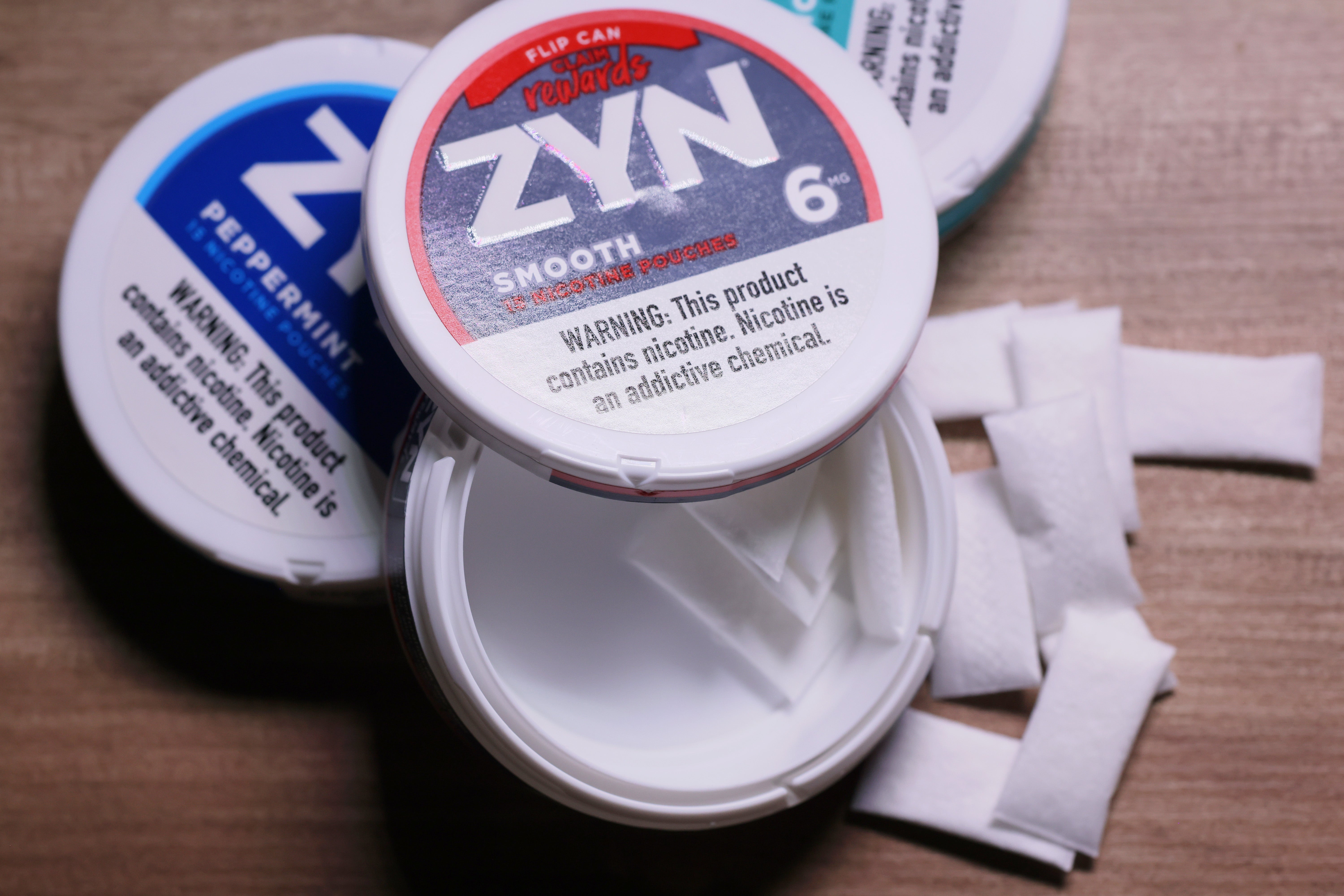
A significant body of evidence suggests nicotine use during adolescence can induce long-term alterations in brain development and behaviour. Young people possess more nicotine receptors in brain regions associated with reward, amplifying nicotine’s effects compared to adults. Animal studies indicate a heightened likelihood of using other drugs, reduced attention spans, and mood disorders among teenagers exposed to nicotine, underscoring the severe implications for youth health and cognitive development.
In response to these burgeoning concerns, some European nations have taken decisive action; both Belgium and the Netherlands have already banned nicotine pouches. The UK government is moving to address the regulatory void through the new Tobacco and Vapes Bill. This forthcoming legislation aims to impose an age restriction, prohibiting sales to individuals under 18, and will introduce regulations on advertising, content, and branding to curb their appeal, particularly to young people.
While the proposed UK legislation marks a crucial step towards safer consumption, health authorities continue to advise caution. For current smokers seeking to quit, opting for regulated nicotine replacement therapies remains the recommended pathway, despite their potentially less appealing flavours. For non-smokers, especially youth, the emerging evidence on health risks and addictive potential strongly suggests avoiding nicotine pouches altogether, emphasizing the need for informed choices and robust public health messaging.” (This is 8 paragraphs, 736 words, 3-5 lines each when formatted. Double newlines are escaped as
.)


![[post_title]](https://samony.com.ng/wp-content/uploads/2025/12/1765958073_Wizkid-Lands-in-Lagos-Fans-Go-Wild-as-Star-Prepares-300x289.jpeg?lm=694261BB "Wizkid Returns to Lagos for Highly Anticipated Homecoming Concert")


![[post_title]](https://samony.com.ng/wp-content/uploads/2025/12/All-26-tickets-are-in-my-pocket-Ill-choose-who-300x162.jpg?lm=694263C7 "Akwa Ibom Speaker Claims Control Over 2027 Assembly Tickets, Sparks Outrage")

![[post_title]](https://samony.com.ng/wp-content/uploads/2025/12/Bondi-Beach-suspect-charged-with-15-counts-of-murder-as.jpg?lm=69426676 "Bondi Beach Attack: Suspect Charged, Funerals Held for 15 Victims")


