

Analyzing Government Negotiations with Bandits: A Critical Perspective
Recent headlines highlight the uproar following the Federal Government’s (FG) decision to engage in talks with bandits after the Kebbi school abductions. The House of Representatives has voiced its displeasure, mirroring a broader national sentiment of unease. But what’s really going on here? Are these negotiations a sign of weakness or a pragmatic approach to a complex issue? This situation warrants deeper scrutiny.
It’s easy to condemn negotiations outright. The outrage is understandable. We are talking about individuals who have inflicted terror and trauma on communities. Yet, the reality on the ground is often far more muddled. Military solutions haven’t entirely eradicated banditry, and sometimes, back-channel communications offer a glimmer of hope where conventional strategies have stalled. It’s a bitter pill, undeniably, but sometimes the options are limited to bad and worse.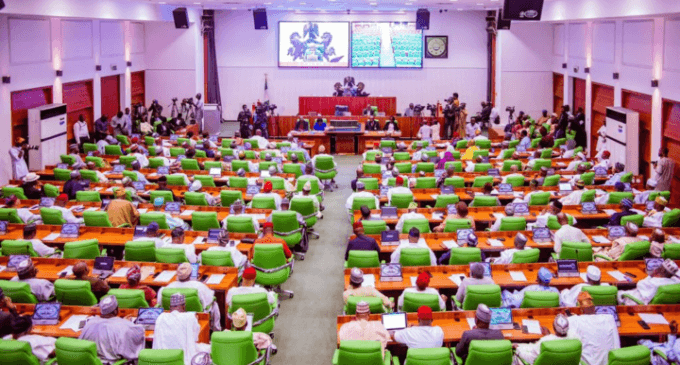 >
>
One point of contention revolves around the precedent these talks set. Does engaging with criminals legitimize their actions? Does it incentivize further violence by suggesting that dialogue is always on the table, regardless of the severity of the crime? These are legitimate concerns that policymakers must carefully weigh. It’s a slippery slope, and clear boundaries need establishing to prevent future exploitation.
The core issue is this: what alternatives exist? Ramp up military operations? That approach risks civilian casualties and further destabilization, especially in areas where trust between communities and security forces is already strained. Ignore the bandits altogether? That almost certainly guarantees continued violence and disruption. Dialogue, however distasteful, at least opens a channel for potential de-escalation and the possible release of hostages. It buys time, perhaps, to explore other strategies.
Consider the historical context. Governments across the world have, at different times, engaged with groups considered “criminals” or “terrorists.” It’s rarely a comfortable choice, but often deemed necessary to achieve specific objectives, such as securing the release of captives or laying the groundwork for broader peace initiatives. The critical factor, however, is transparency. The public deserves to know the terms of these discussions, the goals being pursued, and the safeguards in place to prevent abuse. >
>
The lack of transparency surrounding these negotiations fuels suspicion and mistrust. Who is representing the government? What concessions, if any, are being offered? Are victims’ families being consulted? Without answers to these questions, the talks appear secretive and potentially self-serving. This opacity erodes public confidence and strengthens the narrative that the government is out of touch.
Furthermore, the effectiveness of these negotiations remains questionable. Have previous dialogues led to lasting solutions, or merely temporary reprieves followed by renewed outbreaks of violence? A comprehensive review of past engagement efforts is vital to assess their impact and inform future strategies. Simply repeating the same actions while expecting different outcomes is, well, not very smart.
In addition, the socioeconomic factors that contribute to banditry can’t be ignored. Poverty, unemployment, and a lack of educational opportunities create a fertile ground for recruitment. Addressing these underlying issues is crucial for long-term stability and requires a multi-faceted approach that goes beyond military operations and negotiations. Investment in education, infrastructure, and job creation can offer viable alternatives to a life of crime.
This challenge demands a nuanced response. Slamming the government for exploring all options is too easy. Yet, blind acceptance of negotiations without proper scrutiny is equally dangerous. A balanced perspective requires acknowledging the complexities of the situation, demanding transparency, and holding policymakers accountable for their actions. Ultimately, the goal must be to restore security and stability to affected communities while upholding the rule of law. That’s a tall order, no doubt. But settling for anything less would be a disservice to the victims and a threat to the future.



![[post_title]](https://samony.com.ng/wp-content/uploads/2025/12/1764816647_Doctor-sentenced-to-over-2-years-in-prison-for-selling-300x200.jpg?lm=6930F70B "Ketamine, Addiction, and the Cracks in Our Care: A Systemic Failure Exposed")
![[post_title]](https://samony.com.ng/wp-content/uploads/2025/12/Folate-is-a-key-pregnancy-vitamin-but-not-all-supplements-300x169.jpeg?lm=6930F784 "Prenatal Vitamins: What Really Matters (And What’s Just Hype)")
![[post_title]](https://samony.com.ng/wp-content/uploads/2025/12/30m-Safe-School-probe-Senate-summons-govs-Edun-Education-Defence-300x182.jpeg?lm=6930F790 "$30 Million Vanished? Senate Grills Officials on Nigeria’s “Safe Schools” Promise.")
![[post_title]](https://samony.com.ng/wp-content/uploads/2025/12/Burna-Boy-pledges-to-cover-funeral-costs-for-children-killed-300x150.jpg?lm=6930F7DE "Burna Boy’s Pledge: Genuine Help, or Calculated Move?")

![[post_title]](https://samony.com.ng/wp-content/uploads/2025/12/CBN-Removes-Cash-Deposit-Limit-for-Bank-Customers-in-Nigeria.jpg?lm=6930FE80 "Nigeria’s new cash rules: CBN giveth, CBN taketh away?")
![[post_title]](https://samony.com.ng/wp-content/uploads/2025/12/INEC-Urges-Nigerians-To-Flag-Ineligible-Dead-Persons-As-Voter.jpg?lm=6930F8AE "Nigeria’s Voter Roll: Public Vigilance Alone Won’t Deliver Integrity")
