

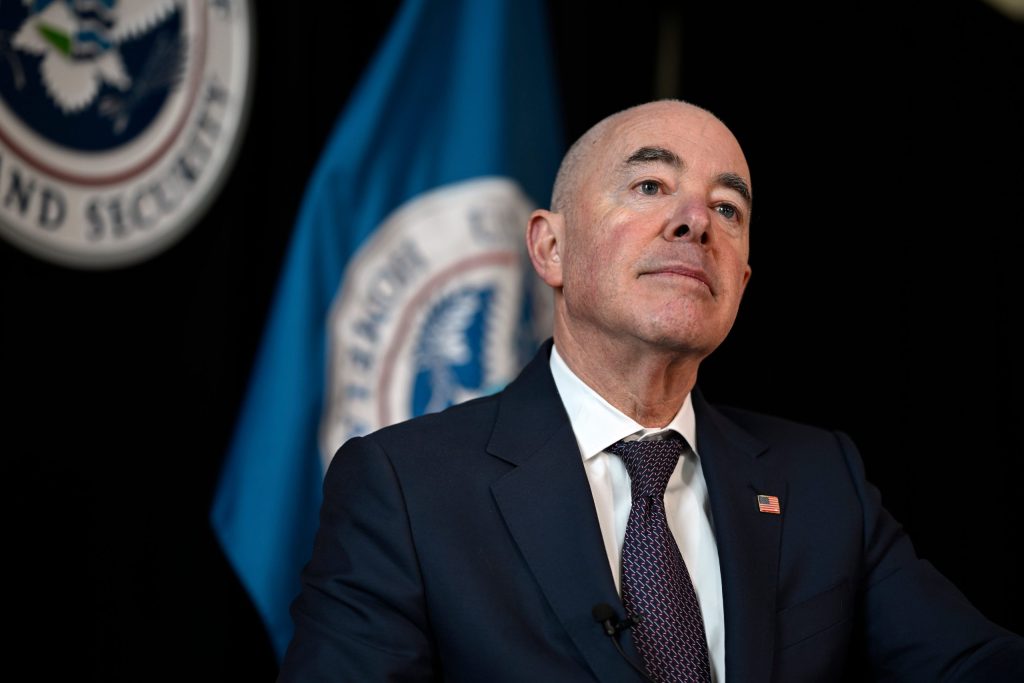
Analyzing the National Guard Shooting: Political Reactions and Immigration Policy
The recent shooting of National Guard troops in Washington D.C. has ignited a firestorm of political finger-pointing, specifically focusing on immigration and vetting procedures. DHS Secretary Kristi Noem swiftly cast blame on the Biden administration, alleging inadequate vetting of Afghan nationals brought to the US under Operation Allies Welcome. This, she suggests, created an environment where radicalization could take root. Yet, her assertions require a deeper look.
The core of Noem’s argument rests on the idea that the Biden administration relaxed security measures in its haste to evacuate Afghan allies. It’s a potent claim, especially given the tragedy. We should scrutinize the timeline. Noem contends the alleged shooter, Rahmanullah Lakanwal, wasn’t properly vetted upon arrival. However, questions persist about the Trump administration’s role. Lakanwal’s asylum application was approved in 2025, during Trump’s term. Why wasn’t he thoroughly vetted then?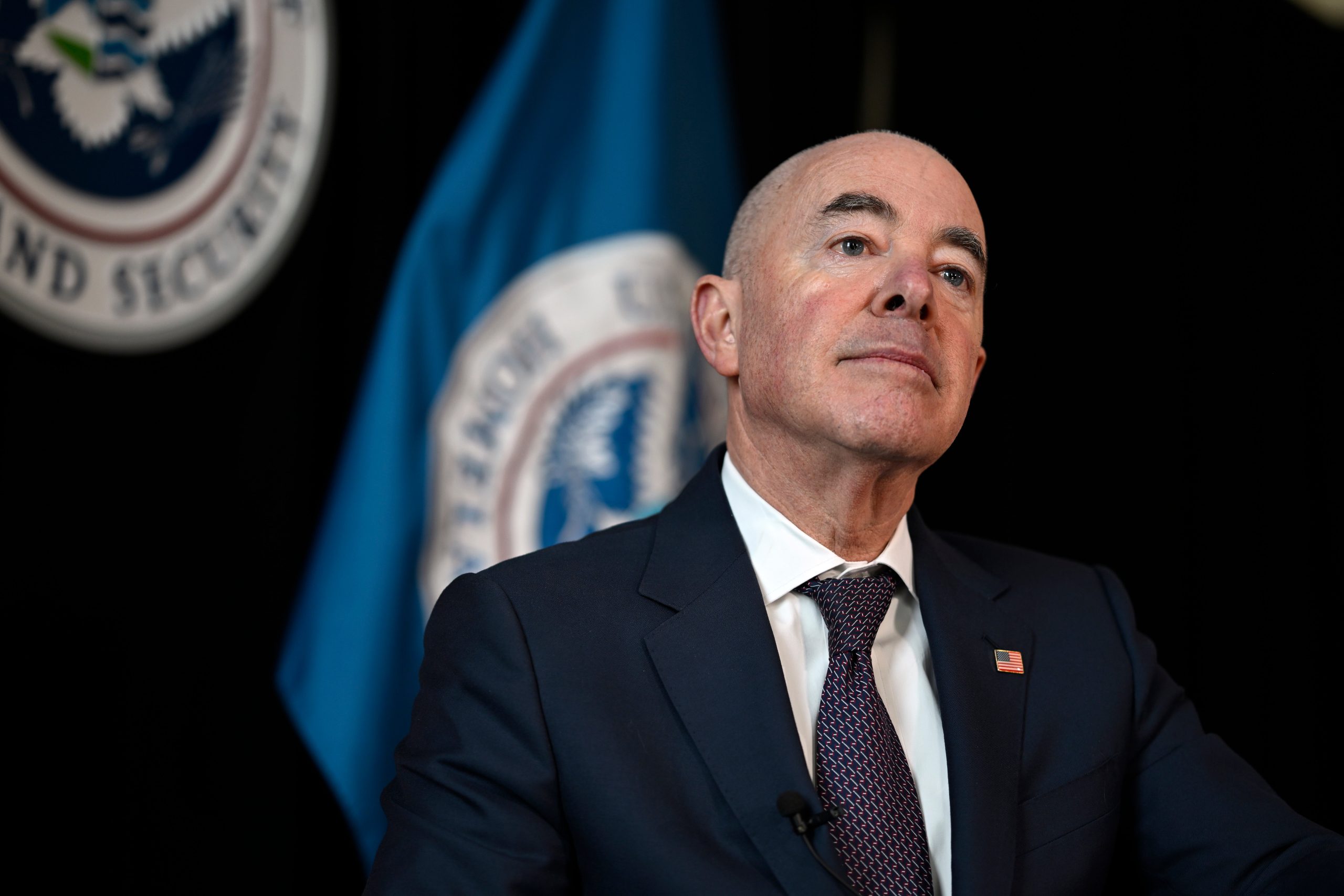 >
>
These kinds of post-incident pronouncements often have a political agenda. The timing of Noem’s statements, appearing on major news programs, suggests a calculated effort to shape public perception. It fits neatly into a broader narrative pushed by some, linking immigration to national security threats.
It is vital to avoid easy answers. The narrative of a “failed” vetting process is alluring, but it fails to account for the multi-layered complexities of identifying and preventing radicalization. Radicalization is rarely a straightforward process. It can evolve over time, influenced by various factors, making it difficult to predict or detect during initial screenings.
The challenge of thorough vetting is immense. Imagine trying to assess the long-term ideological leanings of individuals fleeing a war-torn country. Current vetting processes involve background checks, interviews, and database searches. Still, these methods aren’t foolproof, particularly when dealing with individuals from regions with limited or unreliable information. >
>
Moreover, Noem’s implication that radicalization definitively occurred within the US requires substantial evidence. Claiming radicalization happened “in his home community and state” sounds definitive, yet, we need factual backing. It’s easy to make accusations, but far harder to demonstrate concrete links.
It’s worth considering the context of the Afghan evacuation. The rapid withdrawal of US forces in 2021 created a desperate situation. There was immense pressure to protect Afghans who had risked their lives to support the US mission. Operation Allies Welcome was, in part, a response to this moral imperative. This does not excuse any vulnerabilities in the process.
The Trump administration has capitalized on this tragedy. His pledge to halt migration from “Third World Countries” and potentially revoke the legal status of Afghan refugees raises serious concerns. Such proposals reflect a dangerous trend of scapegoating immigrants for domestic problems. It risks alienating valuable allies and undermining America’s reputation as a haven for those fleeing persecution.
What’s missing from much of the political discourse is a nuanced understanding of immigration’s benefits. Immigrants contribute significantly to the US economy and society. Equating all immigrants with potential threats is not just inaccurate; it’s counterproductive. We need security without sacrificing compassion.
Going forward, improving vetting procedures is essential. This includes investing in better intelligence gathering, enhancing data analysis capabilities, and fostering closer cooperation with international partners. We must also be mindful of the potential for bias and discrimination in our screening processes.
The shooting is a tragedy, but it shouldn’t be used as a political weapon to justify sweeping anti-immigrant policies. Instead, it should prompt a thoughtful, evidence-based discussion about how to balance national security with our values as a nation of immigrants. We require vigilance, but also level-headedness. Knee-jerk reactions and broad generalizations will only serve to divide us and undermine our security in the long run. This situation calls for cool heads and informed policy, not political posturing. The debate surrounding national security and immigration needs careful attention.

![[post_title]](https://samony.com.ng/wp-content/uploads/2025/11/Villagers-kill-two-suspected-bandits-recover-stolen-animals-in-Sokoto-300x222.jpg?lm=692CB23D "Sokoto’s Vigilante Response: Banditry and Security Void")
![[post_title]](https://samony.com.ng/wp-content/uploads/2025/11/1764537120_Experts-clarify-the-clothes-you-should-probably-wash-before-wearing-300x200.jpg?lm=692CB321 "New Clothes: Separating Textile Facts from Washing Hype")
![[post_title]](https://samony.com.ng/wp-content/uploads/2025/11/This-deal-on-smart-glasses-was-too-good-for-my-300x156.jpg?lm=692CAF90 "Echo Frames and the Smart Glasses Reality Check: Functionality, Price, and Amazon’s Endgame")
![[post_title]](https://samony.com.ng/wp-content/uploads/2025/11/1764535792_Enzo-Marescas-simple-rallying-message-shows-Chelsea-have-learnt-from-300x217.jpeg?lm=692CADF3 "Chelsea-Arsenal Draw: Tactical Shifts and Premier League Implications")

![[post_title]](https://samony.com.ng/wp-content/uploads/2025/11/Avoid-flamboyant-lifestyles-NYSC-DG-to-corps-members-300x200.jpg?lm=692CAAF7 "Beyond Prudence: Building NYSC Financial Security Through Real-World Skills")

![[post_title]](https://samony.com.ng/wp-content/uploads/2025/11/Malami-says-his-engagement-with-the-EFCC-was-successful.jpg?lm=692CB1BC "Malami’s EFCC Grilling: Is Nigeria About to See Justice or Another Cover-Up?")
![[post_title]](https://samony.com.ng/wp-content/uploads/2025/11/Villagers-kill-two-suspected-bandits-recover-stolen-animals-in-Sokoto-1024x757.jpg?lm=692CB23E "Sokoto’s Vigilante Response: Banditry and Security Void")
![[post_title]](https://samony.com.ng/wp-content/uploads/2025/11/1764537120_Experts-clarify-the-clothes-you-should-probably-wash-before-wearing-1024x683.jpg?lm=692CB321 "New Clothes: Separating Textile Facts from Washing Hype")
