

![[post_title]](https://samony.com.ng/wp-content/uploads/2025/12/1764631497_Ex-CDS-Musa-meets-Tinubu-at-Aso-Rock-Presidential-Villa.jpeg?lm=692E23C9)
Analyzing Security Developments: Former CDS Musa’s Meeting with President Tinubu
The news of former Chief of Defence Staff, General Christopher Musa, meeting with President Bola Tinubu at Aso Rock Presidential Villa certainly raises some eyebrows. It’s worth noting that this is Musa’s first public encounter with Tinubu since his retirement in October 2025. The timing, given the recent surge in security concerns across the North, adds another layer of intrigue.
Heightened insecurity casts a shadow. We are seeing a spike in incidents: schoolgirl abductions in Kebbi, attacks on worshippers in Kwara, and the kidnapping of schoolchildren in Minna. These events demand action. Security agencies are intensifying counter-terrorism and anti-kidnapping operations. Is Musa’s visit somehow linked to these escalating threats? It’s possible.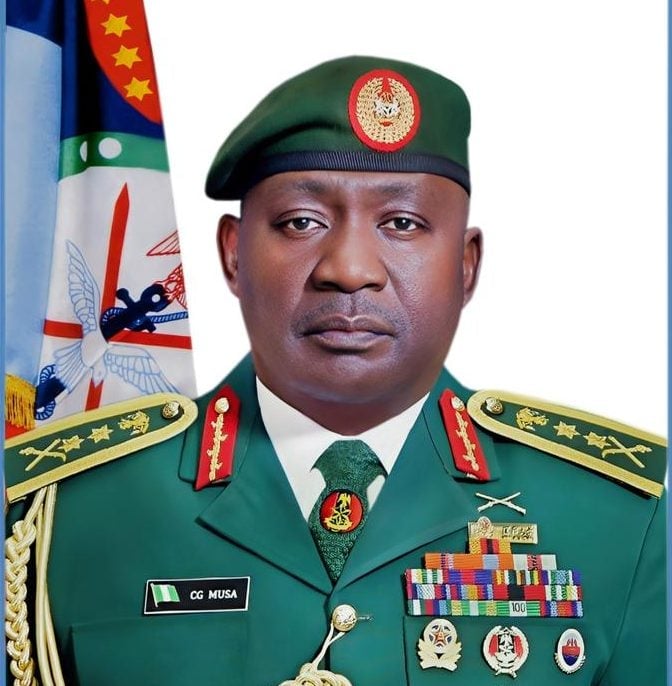 >
>
The official statement offers little detail; the purpose of the meeting remains undisclosed. Yet, such high-level discussions rarely lack substance, especially when national security is at stake. One considers whether Musa’s extensive experience could offer critical insights, even in retirement. He possesses an institutional memory that’s hard to replace.
It’s easy to assume the meeting is solely about security. But what else might be on the table? Perhaps a review of current strategies? Possibly advice on navigating the complex regional dynamics? Or is there a need to assess the effectiveness of current security leadership and identify potential gaps?
It would be short-sighted to dismiss potential political dimensions. Shifts in security leadership often entail navigating delicate power balances. This could be a subtle way to signal continuity, or perhaps the administration is seeking to mend fences after a perceived misstep. These things are rarely straightforward.>
Having observed similar patterns over the years, I know that security matters tend to be multifaceted. It involves strategy, resources, and, critically, the human element. How are the troops on the ground feeling? Are they adequately equipped, both materially and psychologically, to face these rising challenges? A former CDS would likely have a good feel for the pulse of the military.
Moreover, consider the broader geopolitical context. The security challenges in the North are not isolated incidents. They are interwoven with regional instability and transnational criminal networks. The implications are far-reaching. We cannot afford to view these problems as simply internal affairs.
It’s also important to evaluate the effectiveness of current strategies. Are we relying too heavily on military solutions? Do we need to invest more in community-based initiatives to address the root causes of insecurity? A purely reactive approach will only lead to a perpetual cycle of violence.
Given these facts, let’s not ignore the economic dimensions of security. Poverty, unemployment, and lack of opportunity create fertile ground for recruitment by extremist groups. Addressing these underlying issues is vital for long-term stability. It calls for integrated strategies.
One must be careful not to jump to conclusions. The political landscape is complex. News like this often hides more than it reveals. However, the meeting underscores the urgency of the security situation. It compels us to ask tough questions about our approach to national safety.
In any case, this meeting serves as a stark reminder of the challenges Nigeria faces. Finding durable solutions needs a comprehensive, multifaceted strategy. This strategy should include military action, economic investment, and community engagement. We have to consider all the factors for any potential resolution.
This challenge is not new, but it requires fresh thinking. Relying on old playbooks simply won’t cut it. The stakes are too high to afford complacency.

![[post_title]](https://samony.com.ng/wp-content/uploads/2025/12/Insecurity-Former-CDS-Irabor-Confirms-Some-Christians-Are-Being-Targeted.jpg?lm=692E2531 "Is Nigeria Really Targeting Christians? What’s the Truth?")
![[post_title]](https://samony.com.ng/wp-content/uploads/2025/12/1764631968_2baba-Idibia-Natasha-Osawaru-engage-in-heated-argument-during-Daddy-300x157.jpg?lm=692E25A1 "2Baba and Natasha’s Public Spat: Examining Celebrity Marriage Under Scrutiny")
![[post_title]](https://samony.com.ng/wp-content/uploads/2025/12/1764630084_This-favorite-holiday-beverage-could-actually-weaken-your-bones-experts-300x200.jpeg?lm=692E1E47 "Is Your Holiday Hot Chocolate Secretly Messing With Your Bones?")
![[post_title]](https://samony.com.ng/wp-content/uploads/2025/12/1764629193_Why-Are-26-of-Americans-Living-Beyond-Their-Means-in-300x202.jpg?lm=692E1ACC "Decoding America’s Spending Habits: Beyond the Headlines, Toward Real Solutions")


![[post_title]](https://samony.com.ng/wp-content/uploads/2025/12/Republican-pushes-back-on-Trump-proposal-to-dock-pay-from-1024x683.jpg?lm=692E2490 "Shutdown Shakes Air Traffic Control: Are We Flying Blind?")
![[post_title]](https://samony.com.ng/wp-content/uploads/2025/12/1764631968_2baba-Idibia-Natasha-Osawaru-engage-in-heated-argument-during-Daddy-1024x535.jpg?lm=692E25A2 "2Baba and Natasha’s Public Spat: Examining Celebrity Marriage Under Scrutiny")
