

![[post_title]](https://samony.com.ng/wp-content/uploads/2025/11/1764377166_I-did-my-best-to-stay-in-MotoGP-but-it-1024x682.jpg?lm=692A4255)
Miguel Oliveira’s MotoGP Exit: A Sign of the Times? Analyzing Rider Market Dynamics and Motorsport Realities
Miguel Oliveira’s departure from MotoGP raises some important questions about the current state of the sport. He states he “did his best to stay,” yet that wasn’t enough to secure a seat for 2026. This prompts reflection on the performance pressures, contract complexities, and the ever-shifting landscape of MotoGP. What factors truly determine a rider’s longevity in this high-stakes arena?
Oliveira’s situation, as reported, involves a performance clause invoked by Yamaha’s satellite squad, Pramac. They opted for World Superbike star Toprak Razgatlioglu. Suddenly, Oliveira or Jack Miller faced the axe. It landed on Oliveira, seemingly complicated by a shoulder injury early in the season. It’s easy to see how that injury impacted his ability to adapt to the bike and perform at his peak, thus accelerating the decision-making.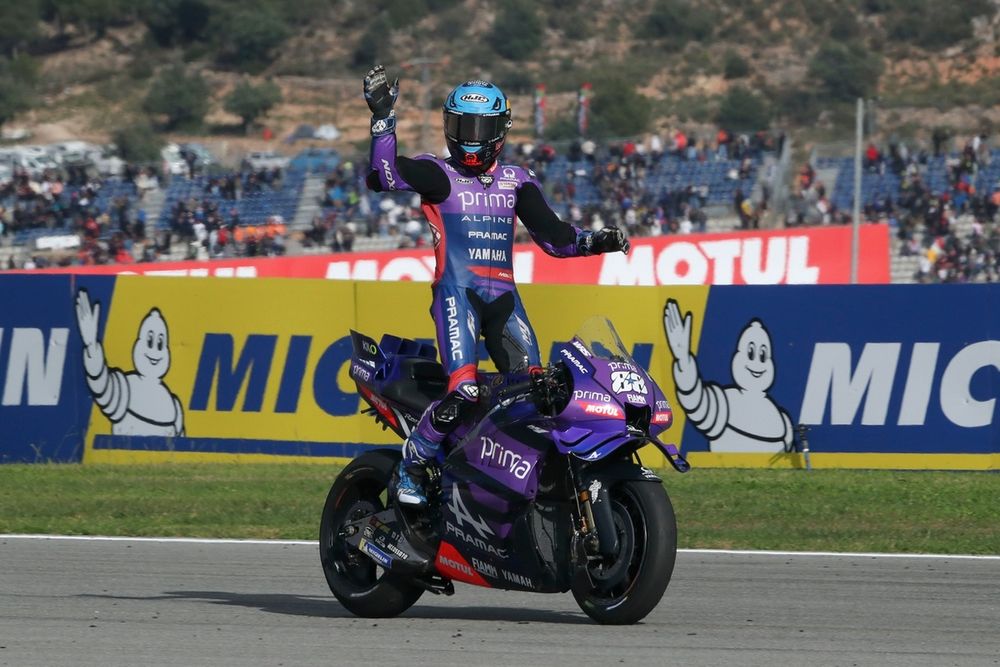 >
>
The sport demands immediate results. Patience is a rare commodity. The current structure, while exciting for fans, places immense strain on riders. One injury, a slight dip in form, can jeopardize their entire career trajectory. It highlights the business side, where emotions take a backseat to performance metrics.
The article mentions Oliveira feeling “surprised” by Yamaha’s decision, especially given the circumstances of his injury. This reveals a disconnect. Rider expectations often clash with the cold reality of team strategies. Teams continually assess their options, always seeking an edge, even if it means making difficult choices.
It’s worth noting that Oliveira, despite recent frustrations, leaves MotoGP with five wins, seven podiums, and a pole position, all achieved with KTM. These achievements speak to his talent and potential. It’s a reminder that judging a rider solely on their most recent performance is short-sighted.>
The narrative paints Oliveira as a victim of circumstance. Yet, it’s essential to acknowledge the competitiveness of MotoGP. Talented riders constantly emerge, hungry for a chance. This competition drives innovation and pushes the boundaries of the sport. However, it also creates a cutthroat environment where even seasoned veterans can find themselves on the sidelines.
Looking ahead, Oliveira is considering a test rider role with Aprilia, contingent on BMW’s approval (his new employer in WSBK). It seems he’s keeping his options open, perhaps hoping for a future return to the MotoGP grid. This demonstrates his passion for the sport. It also speaks to the limited opportunities available elsewhere.
The potential Aprilia test rider role is a smart move. Maintaining ties with a MotoGP team keeps him relevant, provides valuable experience, and could pave the way for a comeback if an opportunity arises. We’ve seen riders successfully return after periods away. They bring renewed perspective and motivation.
This situation invites some skepticism. How much of Oliveira’s struggles were truly injury-related? How much stemmed from the bike’s performance? How much came from internal team dynamics? The answers probably lie somewhere in the messy middle.
MotoGP teams operate under intense pressure. Manufacturers invest vast sums of money. They demand a return on that investment in the form of race wins and championship titles. This pressure trickles down to the riders. They are essentially high-performance assets.
From my observation, the rider market in MotoGP has become increasingly volatile. Contracts are less secure. Teams are quicker to make changes. This trend raises concerns about rider stability and its impact on performance. Building a strong rider-team relationship takes time. Constant reshuffling disrupts that process.
There’s a broader discussion to be had about rider development and support. Are teams adequately preparing riders for the physical and mental demands of MotoGP? Are they providing sufficient support during injury recovery? These are questions worth exploring. Neglecting these areas can contribute to premature exits.
Oliveira’s story is not unique. It reflects a pattern I’ve observed in other motorsports. The relentless pursuit of performance often overshadows the human element. It highlights the precarious nature of a professional racing career.
Given these facts, teams should consider a more holistic approach to rider management. Focus on long-term development. Invest in rider well-being. They will foster loyalty and extract better performance in the long run. The current system seems unsustainable, leading to a revolving door of talent.
It’s also up to the riders themselves to manage their careers strategically. Build strong relationships with teams. Diversify their skills. Explore opportunities outside of racing. Developing a personal brand and other income streams can provide financial security and bargaining power.
I’ve seen many talented drivers pushed to the limit. Oliveira’s exit serves as a case study. It shines a light on the complexities and challenges facing riders in today’s MotoGP. It serves as a reminder that talent alone is rarely enough to guarantee a long and successful career. A combination of skill, resilience, adaptability, and strategic decision-making are necessary to navigate the turbulent waters of professional racing. The future remains unwritten for Oliveira and many others. Only time will reveal how these developments reshape the racing landscape.

![[post_title]](https://samony.com.ng/wp-content/uploads/2025/12/16-LAWMAKERS-DEFECT-FROM-PDP-TO-APC-IN-RIVERS-STATE-300x208.jpg?lm=69338673 "Rivers State Politics Just Got Wild: What’s Going On?")
![[post_title]](https://samony.com.ng/wp-content/uploads/2025/12/UK-Backs-Nigeria-With-Two-Flagship-Economic-Reform-Programmes-300x201.jpg?lm=69338486 "Nigeria-UK Investment: From Aid Dependency to True Economic Partnership?")
![[post_title]](https://samony.com.ng/wp-content/uploads/2025/12/Stuck-in-a-van-while-the-president-measures-the-Kennedy-300x200.jpg?lm=69338500 "Decoding Industry Dynamics")
![[post_title]](https://samony.com.ng/wp-content/uploads/2025/12/Nigeria-is-safe-says-Boris-Johnson-ex-UK-prime-minister-300x226.jpg?lm=69338546 "Nigeria Investment: Safe Bet or Risky Gamble? You Decide.")


![[post_title]](https://samony.com.ng/wp-content/uploads/2025/12/Wike-sacks-FCT-IRS-acting-chairman-Michael-Ango.jpeg?lm=69338BEB "Wike Sacked FCT Revenue Boss After Record Numbers: What’s Really Going On?")
![[post_title]](https://samony.com.ng/wp-content/uploads/2025/12/Netflix-To-Acquire-Warner-Bros-Discoverys-Film-And-Streaming-Units.jpg?lm=693385D9 "Streaming’s $72 Billion Gamble: Netflix and Warner Bros. Discovery")
![[post_title]](https://samony.com.ng/wp-content/uploads/2025/12/16-LAWMAKERS-DEFECT-FROM-PDP-TO-APC-IN-RIVERS-STATE.jpg?lm=69338670 "Rivers State Politics Just Got Wild: What’s Going On?")
