

![[post_title]](https://samony.com.ng/wp-content/uploads/2025/12/1766664715_How-long-will-each-race-remain-on-the-calendar-1024x682.jpg?lm=694D2A0D)
MotoGP has significantly expanded its global calendar, with the championship set to feature a record 22 Grands Prix by 2025. This growth, coupled with the introduction of sprint races, means riders now face a demanding schedule of 44 races annually. Emulating Formula 1’s recent strategy, MotoGP has increasingly pursued long-term agreements with circuit promoters, aiming to bolster the championship’s stability and secure its presence at key venues for the foreseeable future.
This strategic shift has resulted in a varied landscape of circuit contracts, with many European venues now confirmed well into the next decade. Conversely, several circuits face expiring agreements after the 2026 season, prompting ongoing discussions about their continued inclusion. The championship’s commitment to securing its future is evident in the proactive renewal and establishment of multi-year deals across different continents.
Several prominent circuits have cemented their place on the MotoGP calendar until at least 2031. These include the Spanish Grand Prix at Jerez, a historic fixture since 1987, and the French Grand Prix at Le Mans, which recently set new attendance records. Other European stalwarts such as the Catalan Grand Prix at Barcelona, the Dutch Grand Prix at Assen, and the German Grand Prix at Sachsenring have also secured extensions, ensuring their continuity for years to come. The San Marino Grand Prix at Misano and the Valencia Grand Prix, often the season finale, also fall into this long-term category.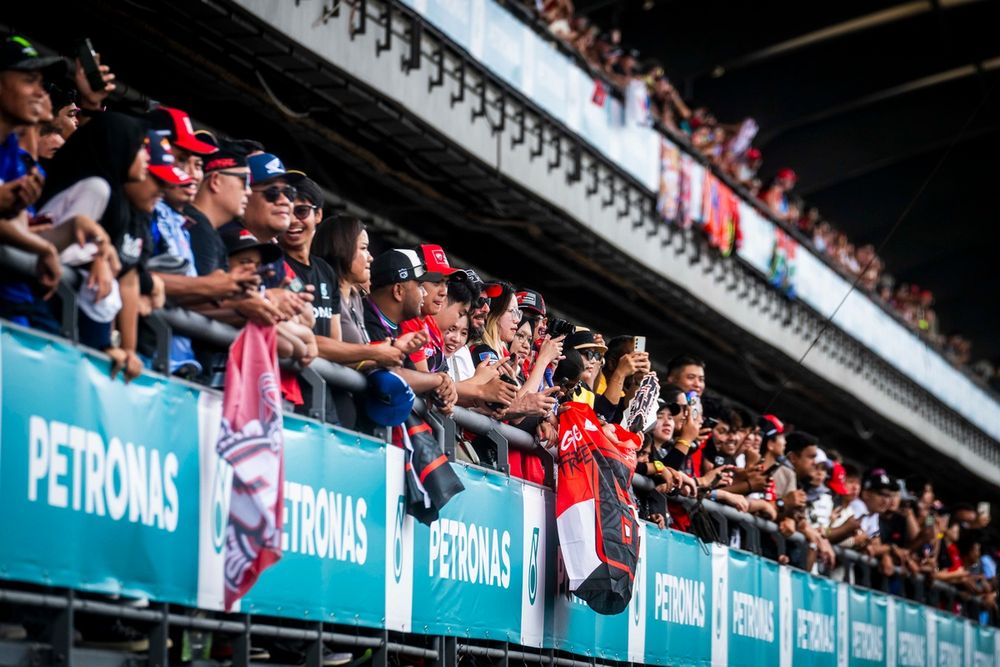
Beyond Europe, the Qatar Grand Prix at Lusail, a staple since 2004, has an agreement extending to 2031. The Thai Grand Prix at Buriram, an important market since its 2018 debut, received a five-year extension through 2031 following government negotiations. Furthermore, the Indonesian Grand Prix at Mandalika is understood to have a decade-long agreement that will see it host races until 2031, despite official confirmation of the exact duration remaining elusive.
New and returning venues also feature prominently in MotoGP’s long-term planning. The Brazilian Grand Prix is set to make a comeback in 2026 at Goiania, with a five-season deal running until 2030. The Czech Grand Prix at Brno, an iconic track, successfully returned in 2025 with an agreement through 2029 after a four-year absence. Hungary’s Balaton Park joined the calendar in 2025 on a multi-year deal, while the Austrian Grand Prix at Spielberg and the Japanese Grand Prix at Motegi are both confirmed until 2030, reinforcing the championship’s global footprint.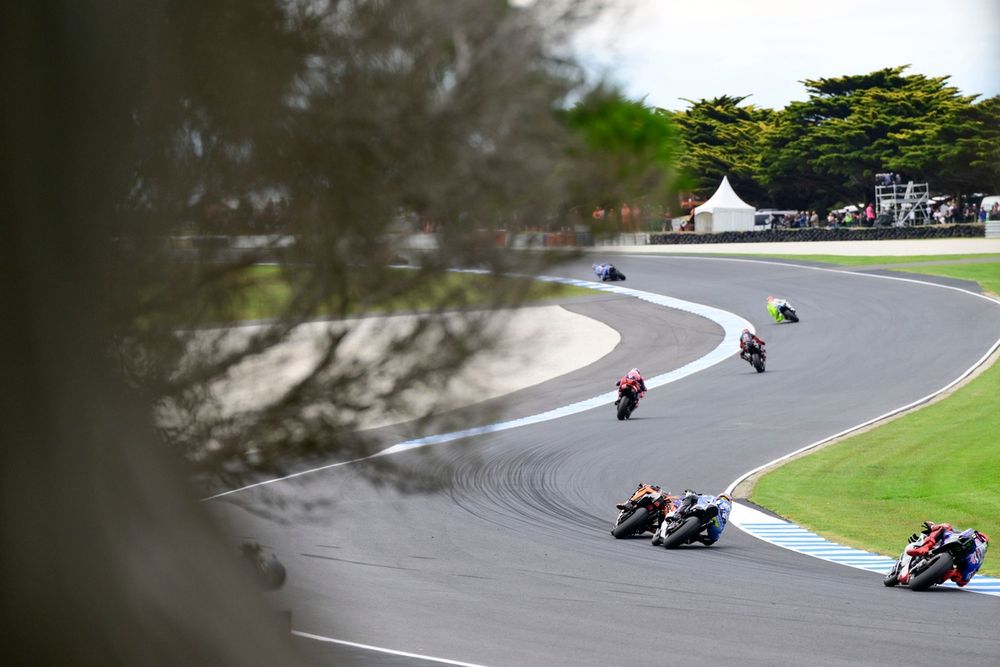
However, the future of several significant races remains uncertain beyond 2026. The Italian Grand Prix at Mugello, a Ferrari-owned track, enters the final year of its current contract in 2026, with renewal discussions anticipated. Similarly, the British Grand Prix at Silverstone, the Aragon Grand Prix, the Australian Grand Prix at Phillip Island, the Malaysian Grand Prix at Sepang, and the Portuguese Grand Prix at Portimao all have contracts expiring after the 2026 season. Organisers at Sepang express confidence in securing a new deal, while the situation for others is less clear. MotoGP has also announced a return to Argentina in 2027 at the renovated Autodromo Oscar y Juan Galvez in Buenos Aires, effectively replacing Termas de Rio Hondo, though the precise length of this new agreement has not been disclosed.






