

![[post_title]](https://samony.com.ng/wp-content/uploads/2025/12/1766756267_22-MotoGP-rounds-are-too-many-for-the-body-feels-1024x682.jpg?lm=694E8FAE)
MotoGP riders are voicing growing concerns over the physical and mental toll exacted by the sport’s expanded 22-round calendar, with some suggesting the current schedule is unsustainable. The 2025 season, featuring a record number of Grands Prix, has intensified the demands on athletes, who now compete in 44 races annually including sprint events.
Fabio di Giannantonio, a rider for VR46, articulated the sentiment shared by many, stating that the sheer volume of travel and racing leaves little room for essential training and recovery. He highlighted that the prolonged season compromises riders’ ability to maintain peak physical condition throughout the year.
“Too many travelling days, too many for the body. 44 races, it is too many,” di Giannantonio remarked at the Valencia season finale. He explained that the intensive schedule forces riders to focus solely on preserving their existing fitness, rather than actively improving it, leading to a natural decline in physical form.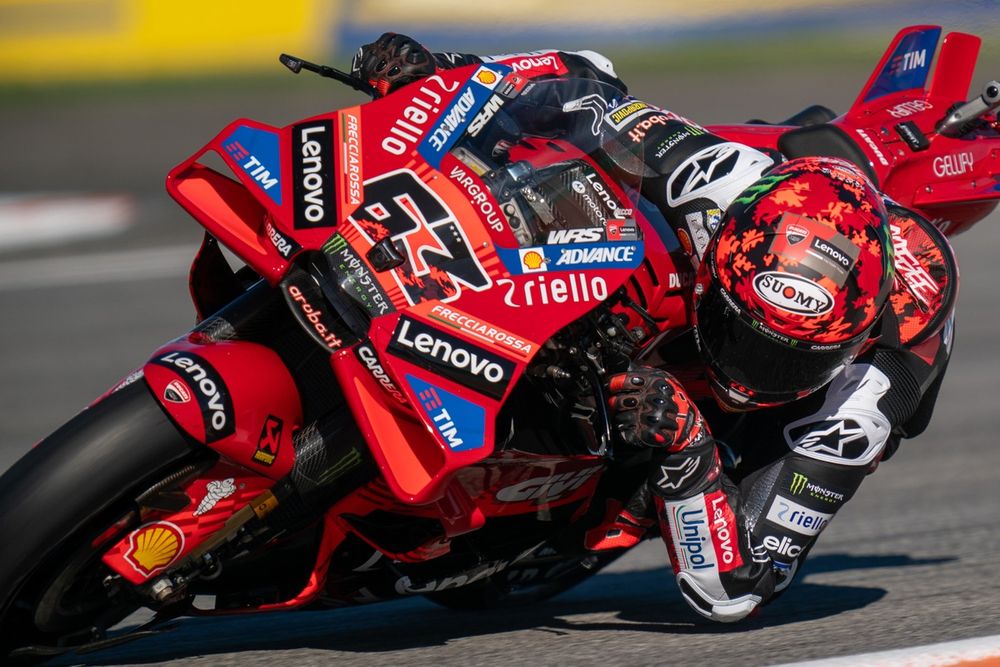
Johann Zarco of LCR Honda echoed these sentiments, describing the physical strain as significant and emphasizing the need for adequate rest to return with renewed energy. He pointed out that riders often begin race weekends operating at a reduced capacity, not at their full potential.
Zarco further elaborated on the pressure to remain sharp for immediate post-season testing, noting that a lack of energy during these crucial sessions can pose safety risks. Maintaining mental acuity is paramount when piloting high-performance motorcycles, especially after an exhausting season.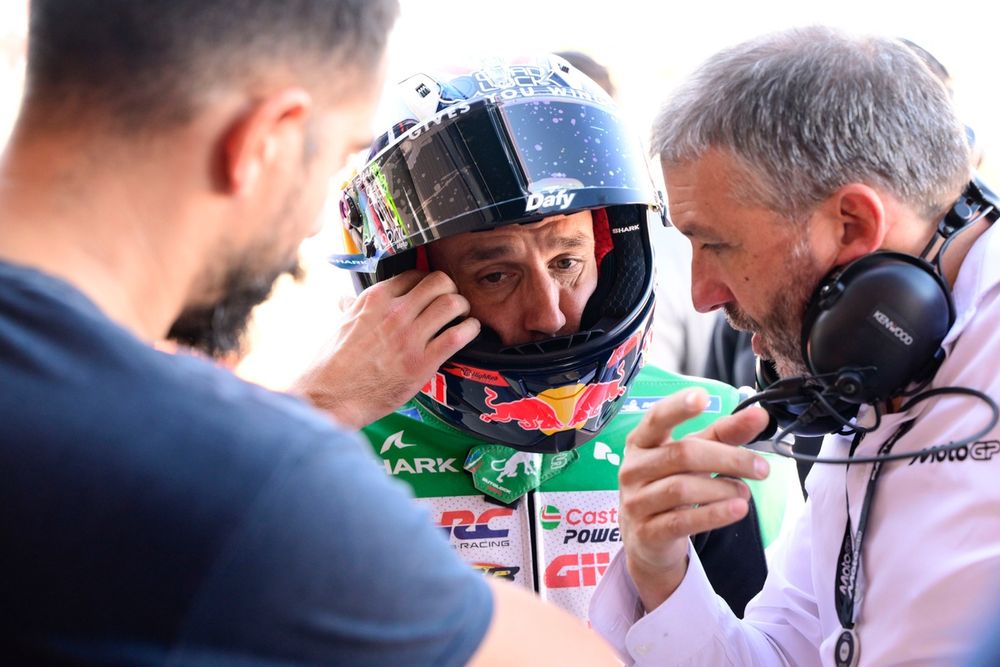
Marco Bezzecchi, di Giannantonio’s former teammate, acknowledged the demanding nature of the 22-race schedule but suggested that a rider’s current performance significantly influences their perception of the calendar. He noted that when results are positive, the season can feel like it passes quickly.
Despite the physical challenges, Bezzecchi stated that if riders can foster strong team relationships and enjoy their racing, the demanding schedule becomes more manageable. He emphasized that pursuing a passion for motorsport, even with its hardships, remains a rewarding endeavor.
MotoGP’s expansion strategy, mirroring Formula 1’s approach, aims to tap into new markets, particularly in Asia. While Ducati’s Francesco Bagnaia welcomed the exploration of new venues, he also expressed a personal desire for the season to conclude sooner.
Bagnaia commented that while he is prepared for the current calendar and enjoys racing in diverse locations, the increased number of races presents a greater challenge. He suggested that the ideal number of races can fluctuate based on individual circumstances and the progression of the season.
KTM’s Pedro Acosta believes the 22-race calendar is a positive development, allowing for a consistent flow and team engagement throughout the year. However, he conceded that injuries now carry more severe consequences for riders due to the extended schedule.
Acosta highlighted that a rider who suffers an injury could potentially miss a significant portion of the season, a stark contrast to previous eras. He reiterated that while the mood and performance are key factors, the increased risk associated with injuries presents a notable downside to the current calendar structure.








