

![[post_title]](https://samony.com.ng/wp-content/uploads/2025/12/1766752624_22-MotoGP-rounds-are-too-many-for-the-body-feels-1024x682.jpg?lm=694E8177)
MotoGP riders are increasingly expressing significant concerns over the sport’s demanding and ever-expanding calendar, with several top competitors highlighting the severe physical and mental toll of the extended schedule. The 2025 season, which featured a record 22 Grands Prix and an unprecedented 44 competitive races due to the permanent inclusion of sprint events, has ignited a debate about the sustainability of the current format for elite athletes. Leading the charge, VR46 rider Fabio di Giannantonio articulated a widely shared sentiment among the paddock that the current workload is excessive, pushing riders beyond sustainable limits.
Di Giannantonio minced no words in Valencia, describing the current schedule as having “too many travelling days, too many for the body.” He elaborated on the severe impact on physical preparation, stating, “Zero training. You train a lot in one month, let’s say, in January, and then you just try to keep your form as best as you can through the season.” This rigorous schedule, he argued, inevitably leads to a decline in peak physical condition as the season progresses, although he acknowledged it is an inherent part of the professional demands placed upon them.
LCR Honda rider Johann Zarco strongly supported Di Giannantonio’s observations, emphasizing the cumulative strain felt by competitors. “We can feel that there is a weight of the 22 races. The body is kind of struggling,” Zarco stated, noting that riders often find themselves approaching race weekends with significantly reduced energy levels, potentially operating at 70% or 80% of their optimal capacity. He also pointed to the immediate post-season Valencia test, which requires intense focus and energy just days after the championship finale, as an additional burden on already fatigued athletes.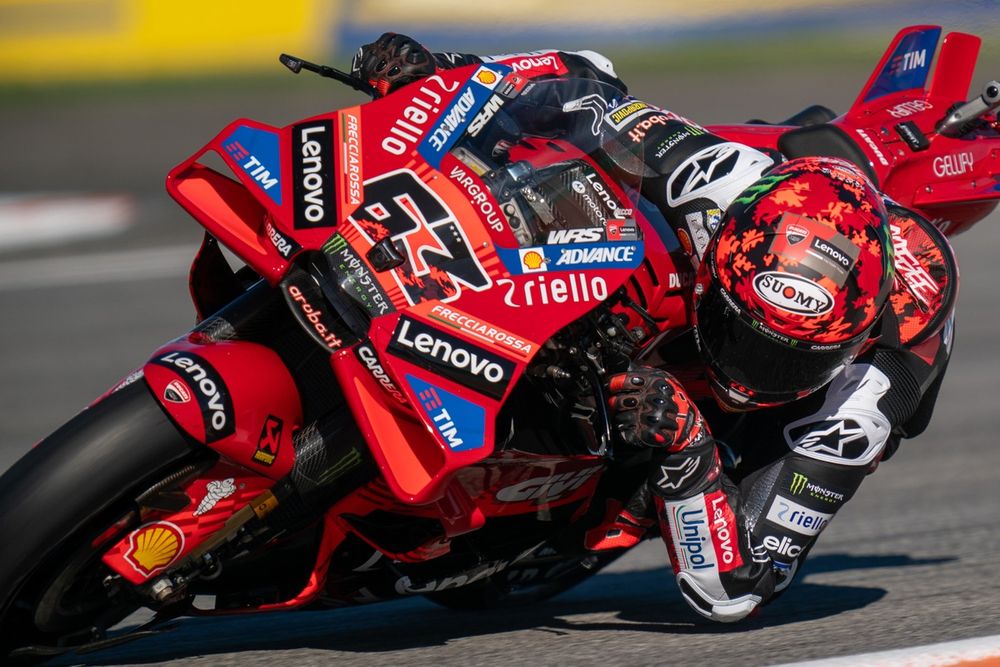
While acknowledging the inherent difficulty of the 22-round calendar and the 44 races, Marco Bezzecchi, Di Giannantonio’s former teammate, offered a more nuanced perspective. Bezzecchi, who enjoyed a strong finish to his 2025 campaign with two victories, suggested that a rider’s psychological state and recent performance heavily influence their perception of the demanding schedule. “It depends a lot on the mood, because if you are going well, you enjoy and you feel that the races are going super quick,” he remarked, indicating that success can significantly mitigate the perceived arduousness.
Bezzecchi further elaborated that while the physical and mental demands are undeniable, particularly with the dual race format, fostering a positive relationship with the team and feeling confident on the bike can transform the experience. He concluded that when riders are performing well and enjoying their work, the immense challenge becomes more manageable, allowing them to embrace what they love despite the intensity of the schedule. This highlights the critical role of mental resilience alongside physical stamina in modern MotoGP.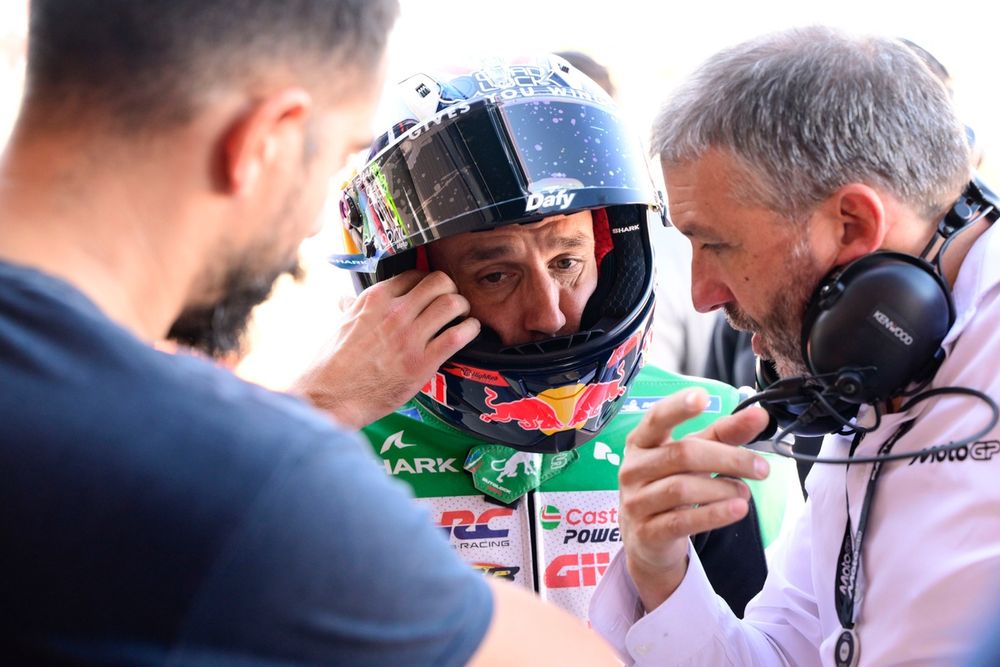
Reigning world champion Francesco Bagnaia expressed a degree of acceptance regarding the expanded calendar, particularly in its strategic aim to explore new international markets. “We are prepared for everything and I think it’s fair to have a calendar like this,” Bagnaia commented, welcoming the opportunity to race outside Europe and acknowledging the positive experiences often associated with these venues. However, he also conceded a personal toll, admitting, “In my situation, honestly, it’s more tough, but it’s what it is – and it’s great that it’s like this.” His remarks suggest a balance between professional commitment and personal fatigue.
KTM’s impressive rookie Pedro Acosta largely expressed satisfaction with the increased number of races, appreciating the extended time spent with his team and the continuous flow it provides, even through challenging periods. Yet, Acosta raised a crucial point regarding rider safety and career impact, emphasizing that the denser schedule significantly escalates the consequences of injuries. He noted that what once might have led to missing one or two races could now result in a rider being sidelined for “maybe four in a row” even for less severe ailments, profoundly affecting championship prospects.
The significant expansion of the MotoGP calendar, culminating in the 22-round schedule for 2025, represents a deliberate strategy by Dorna, the sport’s commercial rights holder, to broaden its global footprint. This mirrors approaches seen in other major global sports, including Formula 1, and has involved integrating new circuits in regions like Hungary, alongside the return of established venues in the Czech Republic and Argentina, to enhance the championship’s international appeal and market reach.
A pivotal factor in the increased workload for riders has been the introduction of sprint races at every Grand Prix weekend since the 2023 season. This innovation effectively doubles the competitive racing action, compelling riders to contest a total of 44 races annually. This dramatic increase contrasts sharply with previous eras when the championship typically comprised fewer than 20 Grands Prix, fundamentally altering the physical and mental demands placed upon the grid and requiring new levels of endurance.
The divergent opinions and shared concerns among MotoGP’s elite suggest an ongoing internal debate about the optimal balance between commercial growth, fan engagement, and rider welfare. As the sport continues to push its boundaries, finding a sustainable calendar model that preserves both the integrity of the competition and the long-term health of its athletes will remain a paramount challenge for organizers and teams alike. This discussion highlights the evolving nature of professional motorsport and its inherent compromises.








