

![[post_title]](https://samony.com.ng/wp-content/uploads/2025/12/1764668360_How-MAGA-senators-new-bill-could-directly-impact-Melania-and-1024x683.jpg?lm=692EB3CD)
Analyzing the Proposed “Exclusive Citizenship Act of 2025”: A Critical Look
A new bill, the “Exclusive Citizenship Act of 2025,” has surfaced, championed by Senator Bernie Moreno. It throws into question the long-held understanding of dual citizenship within the United States. The core idea? American citizens must relinquish any other citizenship they hold, effectively demanding “exclusive allegiance.”
This proposal brings up a host of considerations. First, its legality is immediately suspect. The Fourteenth Amendment offers strong protections of citizenship, suggesting that involuntary loss of citizenship is unconstitutional. Courts have repeatedly affirmed that an individual must willingly surrender their citizenship. This bill seemingly ignores that precedent.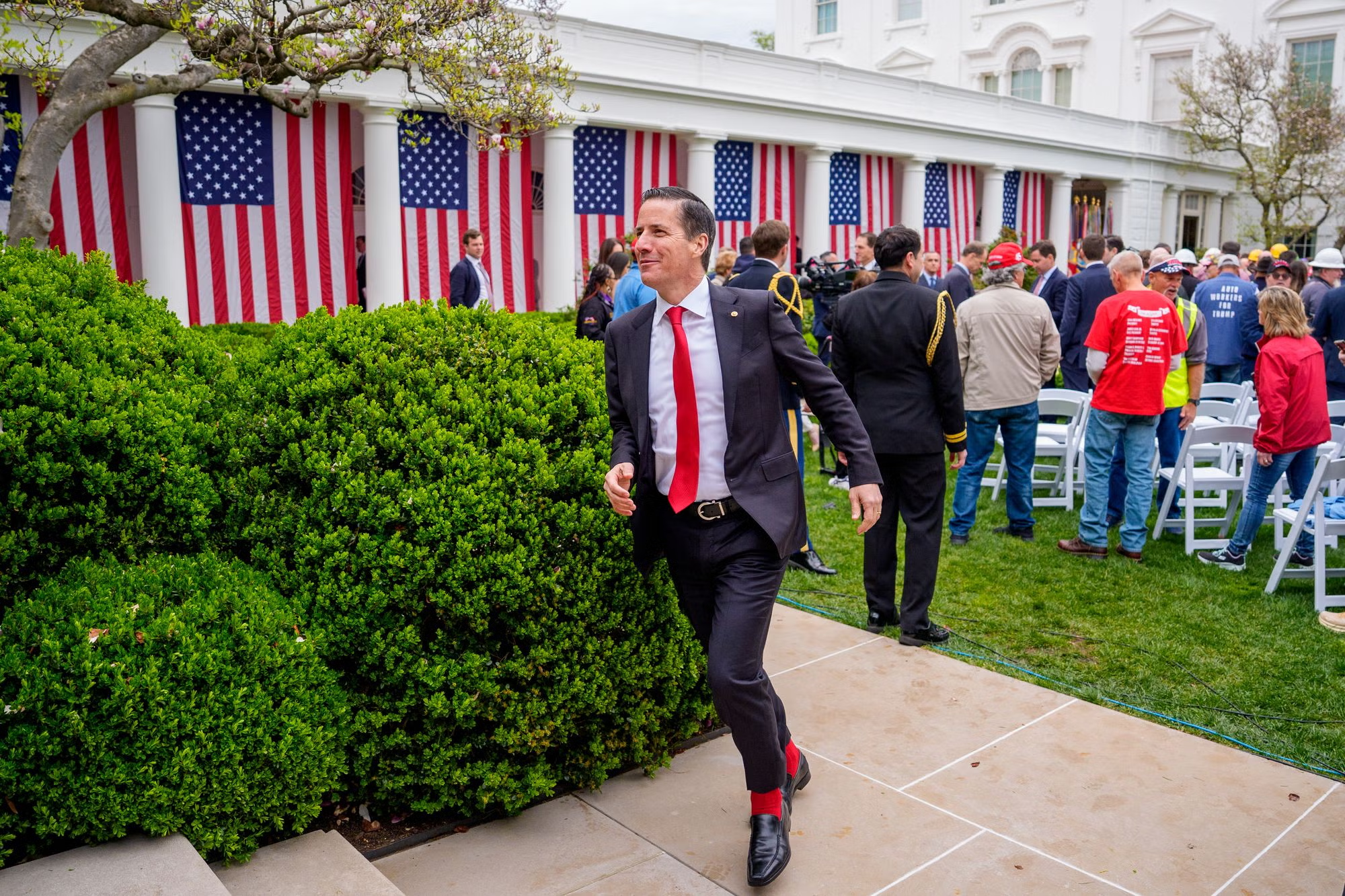 >
>
Yet, we should examine the driving forces behind the bill. Moreno frames it as a matter of commitment. His argument centers around the idea that American citizenship is a privilege, and those who truly value it should demonstrate their loyalty by forswearing all other allegiances. This resonates with a certain segment of the population, particularly those who prioritize national unity and worry about divided loyalties.
It’s worth noting Moreno himself was born in Colombia and became a U.S. citizen. He publicly stated the honor he felt when pledging allegiance solely to the United States. His personal narrative undoubtedly shapes his perspective on the matter.
Still, there’s a layer of irony to consider. The bill would, if enacted, directly impact individuals like Melania Trump and her son Barron, both of whom possess Slovenian citizenship. It is tempting to dismiss the proposal as politically motivated. This possible, unintended consequence highlights the messy implications of such sweeping legislation.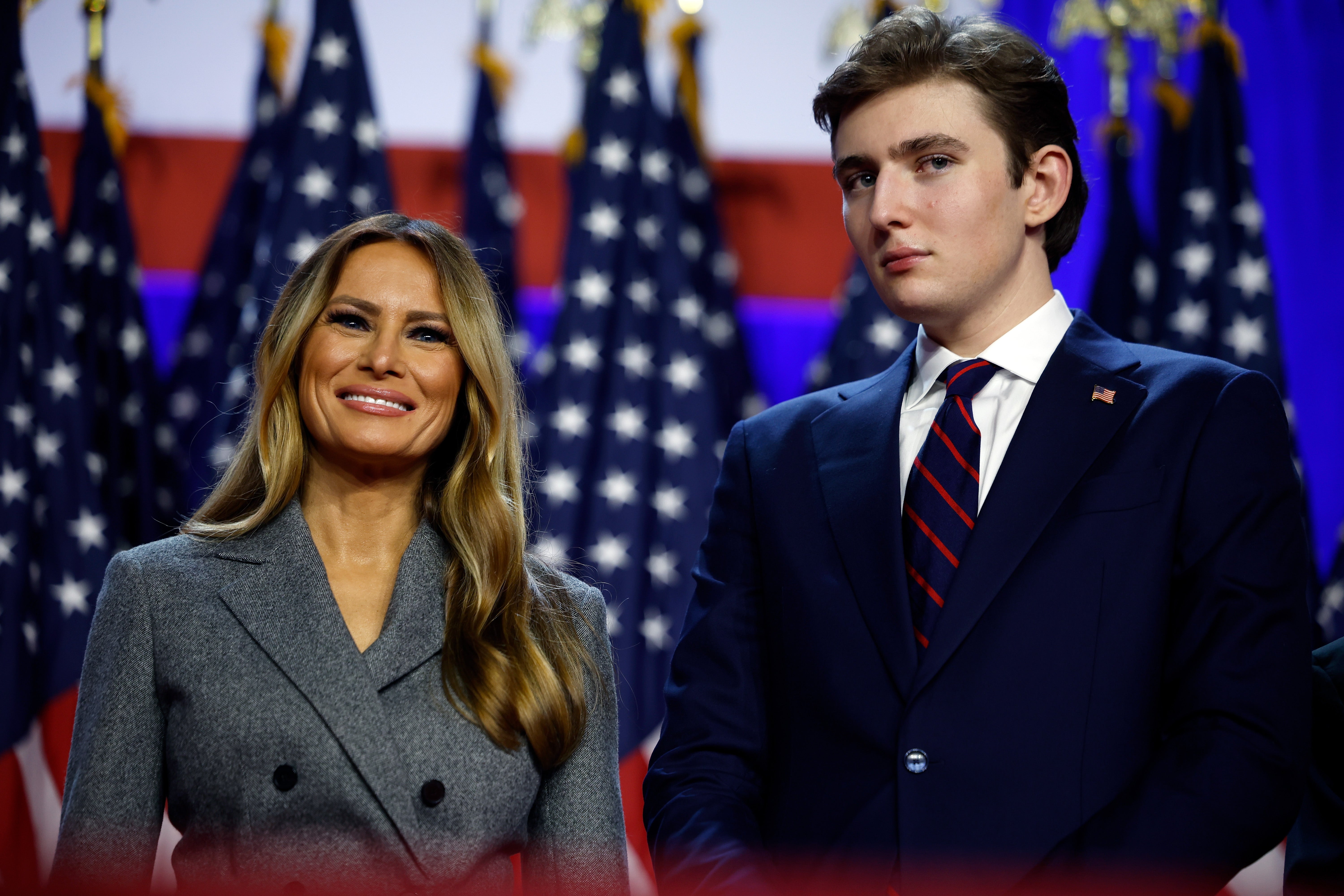 >
>
The practical challenges are also considerable. Consider the logistics of enforcement. The bill tasks the Department of Homeland Security and the State Department with identifying dual citizens and ensuring compliance. This undertaking would require a significant investment of resources. The potential for bureaucratic errors and privacy violations looms large.
It’s important to remember that dual citizenship isn’t just about holding multiple passports. For many, it’s deeply entwined with family history, cultural identity, and economic opportunity. Imagine the forced decision individuals would have to make between their American identity and their connection to their ancestral homeland.
I’ve watched similar sentiments about national identity and loyalty bubble up in political discourse before. Often, they are rooted in anxieties about globalization and changing demographics. This bill may be a symptom of those broader concerns, reflecting a desire to define and protect what it means to be “American.”
This is where it gets tricky. The concept of “exclusive allegiance” ignores the increasingly interconnected world we live in. Many U.S. citizens have legitimate reasons to hold dual citizenship, such as facilitating international business, maintaining family ties abroad, or simply preserving their cultural heritage.
What opportunities would Barron Trump miss by relinquishing his Slovenian passport? Mary Jordan noted it would allow him to “work freely in all of Europe much more easily”.
Given these facts, the bill looks more like political posturing than a serious attempt at policy reform. The chances of it passing constitutional muster are slim. The logistical hurdles are daunting. And the potential for unintended consequences is significant.
The Trump administration already explored avenues to limit birthright citizenship, and those efforts met legal challenges. This new bill seems destined for a similar fate. The Fourteenth Amendment will prove a steep hurdle.
Yet, the bill’s introduction signals a shift in the conversation. It makes the idea of restricting dual citizenship part of the political debate. That, in itself, could have lasting effects, even if the bill never becomes law. It may stir up anti-immigrant sentiment and embolden those who advocate for stricter immigration policies.
So where does that leave us? We’re looking at a bill that is probably unconstitutional, administratively difficult, and morally questionable. The true impact may lie in the message it sends. It reveals a desire among some to redefine American citizenship in narrower, more exclusive terms.
The consequences of this push, regardless of the bill’s actual passage, demand close attention. The ongoing legal debates will certainly be interesting.


![[post_title]](https://samony.com.ng/wp-content/uploads/2025/12/1764666684_Lucy-Dare-has-spoken-about-her-battle-with-Crohns-disease-300x200.jpeg?lm=692EAD3F "Closing the Crohn’s Gap: From Diagnostic Bias to Patient-Centered Care")

![[post_title]](https://samony.com.ng/wp-content/uploads/2025/12/1764665117_Liz-Hurley-looks-25-in-teeny-string-bikini-as-she-300x158.jpg?lm=692EA720 "Liz Hurley’s Bikini Pics: What’s the Real Story With “Ageless” Beauty?")
![[post_title]](https://samony.com.ng/wp-content/uploads/2025/12/1764664559_Noni-Maduekes-damaged-relationship-with-Chelsea-star-after-Arsenal-incident-300x158.jpg?lm=692EA4F2 "Madueke’s Homecoming: Rivalry, Loyalty, and Football’s Shifting Sands")


![[post_title]](https://samony.com.ng/wp-content/uploads/2025/12/1764667822_Australia-dealt-Ashes-blow-as-star-is-ruled-out-of-1024x683.jpg?lm=692EB1B1 "Khawaja Injury Throws Australia’s Ashes Strategy into Turmoil")
![[post_title]](https://samony.com.ng/wp-content/uploads/2025/12/1764666684_Lucy-Dare-has-spoken-about-her-battle-with-Crohns-disease-1024x683.jpeg?lm=692EAD43 "Closing the Crohn’s Gap: From Diagnostic Bias to Patient-Centered Care")
