The fatal Minneapolis ICE shooting of Renee Nicole Good has ignited a fierce debate, with federal and local authorities offering sharply conflicting accounts of the incident. This tragic event in Minnesota involved an Immigration and Customs Enforcement agent and a 37-year-old woman, leading to her death and sparking widespread community outrage. Understanding the full scope of what transpired requires examining both the official narratives and the perspectives of witnesses and local leaders.
On a Wednesday morning in Minneapolis, numerous immigration officers were present in the city, part of a recent influx of federal agents. Video footage of the incident shows an ICE officer confronting Good in her car before firing several shots into the vehicle as it began to move. This sequence of events is at the heart of the contentious dispute between state and federal officials regarding the use of force.
What happened in the Minneapolis ICE shooting? An ICE agent fatally shot Renee Nicole Good after her vehicle reportedly started moving during an encounter. Officials from the Trump administration described the shooting as self-defense, alleging Good engaged in domestic terrorism by attempting to run over officers, while Minneapolis leaders condemned it as a reckless act.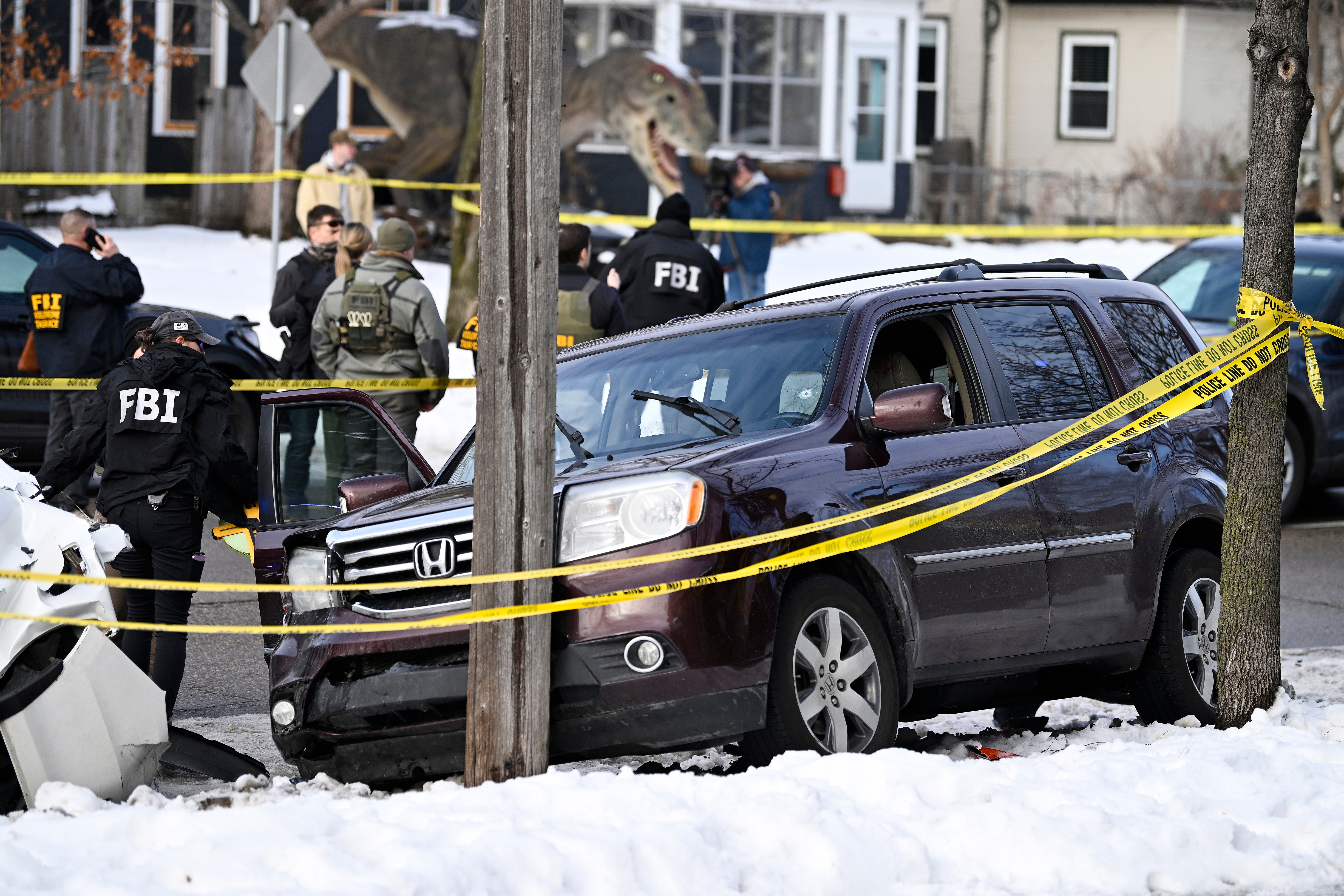
Good’s mother, Donna Ganger, identified her daughter, describing Renee as an “extremely compassionate,” “loving, forgiving, and affectionate” individual. Members of the Minneapolis City Council also confirmed her identity, with Council member Jason Chavez stating Good was an American citizen acting as an “observer” for immigrant neighbors. Minneapolis Police Chief Brian O’Hara indicated there was no evidence she was the subject of an immigration investigation.
Officials from the Trump administration, including former President Donald Trump and Department of Homeland Security (DHS) spokesperson Tricia McLaughlin, quickly characterized the shooting as an act of self-defense. They alleged Good “weaponized her vehicle” and attempted to “run over our law enforcement officers,” an act they labeled as “domestic terrorism.” Trump himself claimed the officer was “recovering in the hospital,” despite video showing the officer apparently unhurt.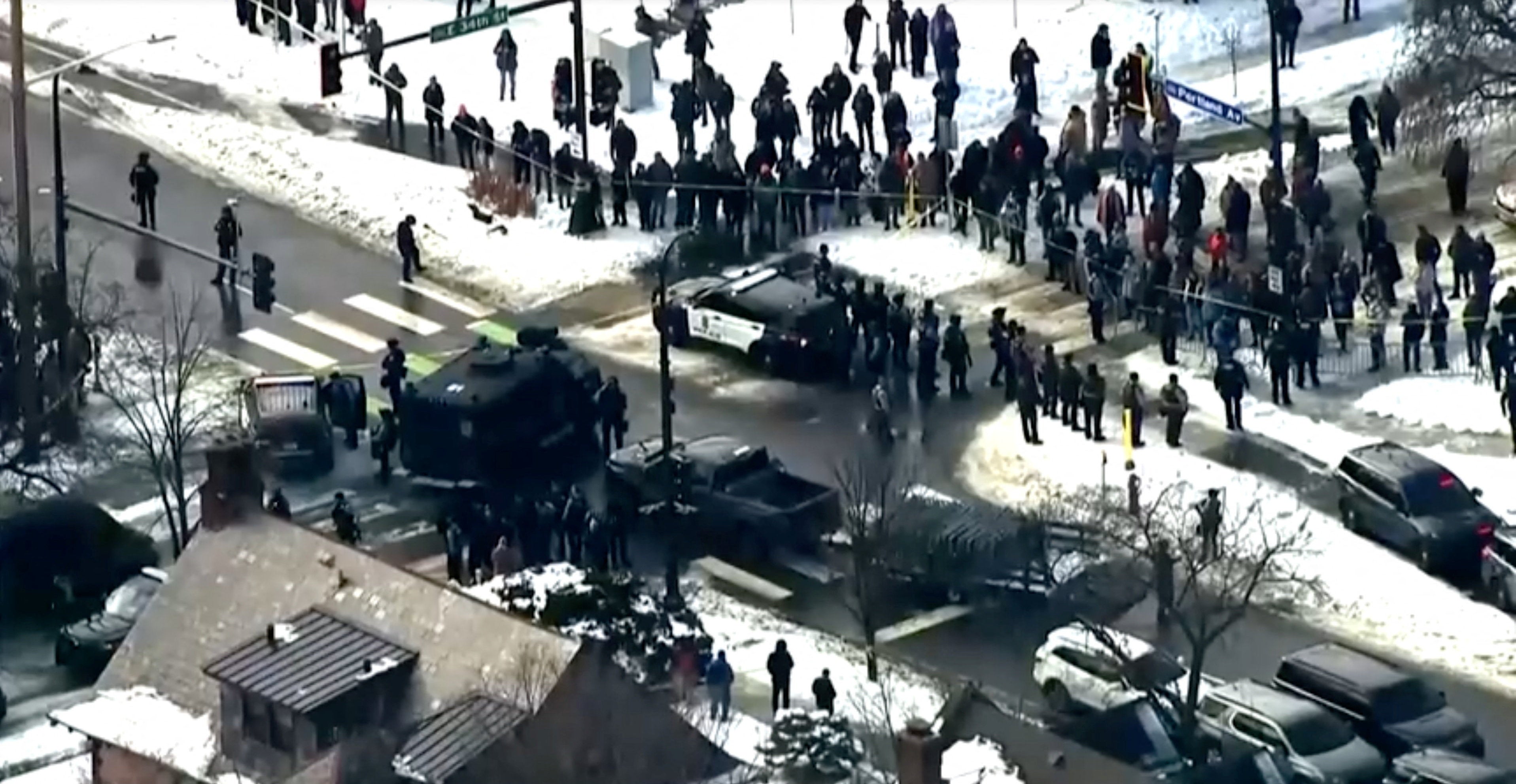
In stark contrast, Minneapolis Mayor Jacob Frey vehemently rejected the federal narrative, calling it “bulls.” He stated, “This was an agent recklessly using power that resulted in somebody dying.” Governor Tim Walz echoed this sentiment, expressing outrage at the White House and attributing the incident to the Trump administration’s “dangerous, sensationalized operations” that threaten public safety.
The political fallout extended beyond city and state leaders. Minnesota Rep. Ilhan Omar called for ICE to “stop terrorizing our communities,” while Washington Rep. Pramila Jayapal demanded ICE be removed from cities. Senator Tina Smith confirmed Good’s American citizenship and urged ICE to leave for everyone’s safety, highlighting the broad condemnation from Democratic officials.
Following the Minneapolis ICE shooting, a large crowd gathered at the residential intersection where it occurred. Footage captured onlookers throwing snowballs at law enforcement and expressing their anger. The proximity of the shooting to where George Floyd was killed in 2020 amplified the community’s emotional response, drawing parallels to past incidents of police violence.
The context of the shooting includes a recent influx of federal agents into Minneapolis, which the DHS stated was part of operations leading to over 1,000 arrests for serious crimes. However, this surge has also caused fear among residents, particularly those of Somali descent, given former President Trump’s history of targeting and disparaging Somali immigrants in Minnesota.
The conflicting accounts regarding the Renee Good ICE shooting highlight a deep chasm between federal and local interpretations of law enforcement actions. Whether it was a justified act of self-defense or a reckless use of force remains a central question, fueling calls for thorough investigation and accountability from various public figures and community organizations.
Moving forward, investigations into the Minneapolis ICE shooting are expected to delve into the precise sequence of events, witness testimonies, and the justification for the use of lethal force. This incident will undoubtedly contribute to ongoing discussions about ICE accountability measures 2026 and the future of immigration enforcement within communities across the nation. The impact on local trust in law enforcement, especially concerning federal agencies, is a critical concern.
Ultimately, the Minneapolis ICE shooting explained the complexities of federal presence in local communities and the profound human cost when narratives clash. The death of Renee Nicole Good serves as a stark reminder of the tensions surrounding immigration enforcement and the urgent need for clarity and justice in such sensitive situations.