

![[post_title]](https://samony.com.ng/wp-content/uploads/2025/11/1764540690_Dignitas-founder-dies-by-assisted-suicide-days-before-93rd-birthday-1024x683.jpeg?lm=692CC11C)
Assisted Suicide Pioneer Ludwig Minelli’s Death Sparks Debate: A Critical Look at End-of-Life Choices
Ludwig Minelli, the controversial founder of Dignitas, the Swiss assisted suicide organization, chose to end his own life just before his 93rd birthday. His passing reignites a deeply complex and often emotionally charged discussion about individual autonomy, the right to die, and the role of organizations like Dignitas in a world grappling with aging populations and varying qualities of life.
Minelli’s journey began in journalism before transitioning to law, ultimately leading him to establish Dignitas in 1998. The organization’s slogan, “To live with dignity – To die with dignity,” encapsulates its core mission: empowering individuals to make their own end-of-life decisions. Over the years, Dignitas has aided thousands, many traveling to Switzerland from countries where assisted suicide remains illegal.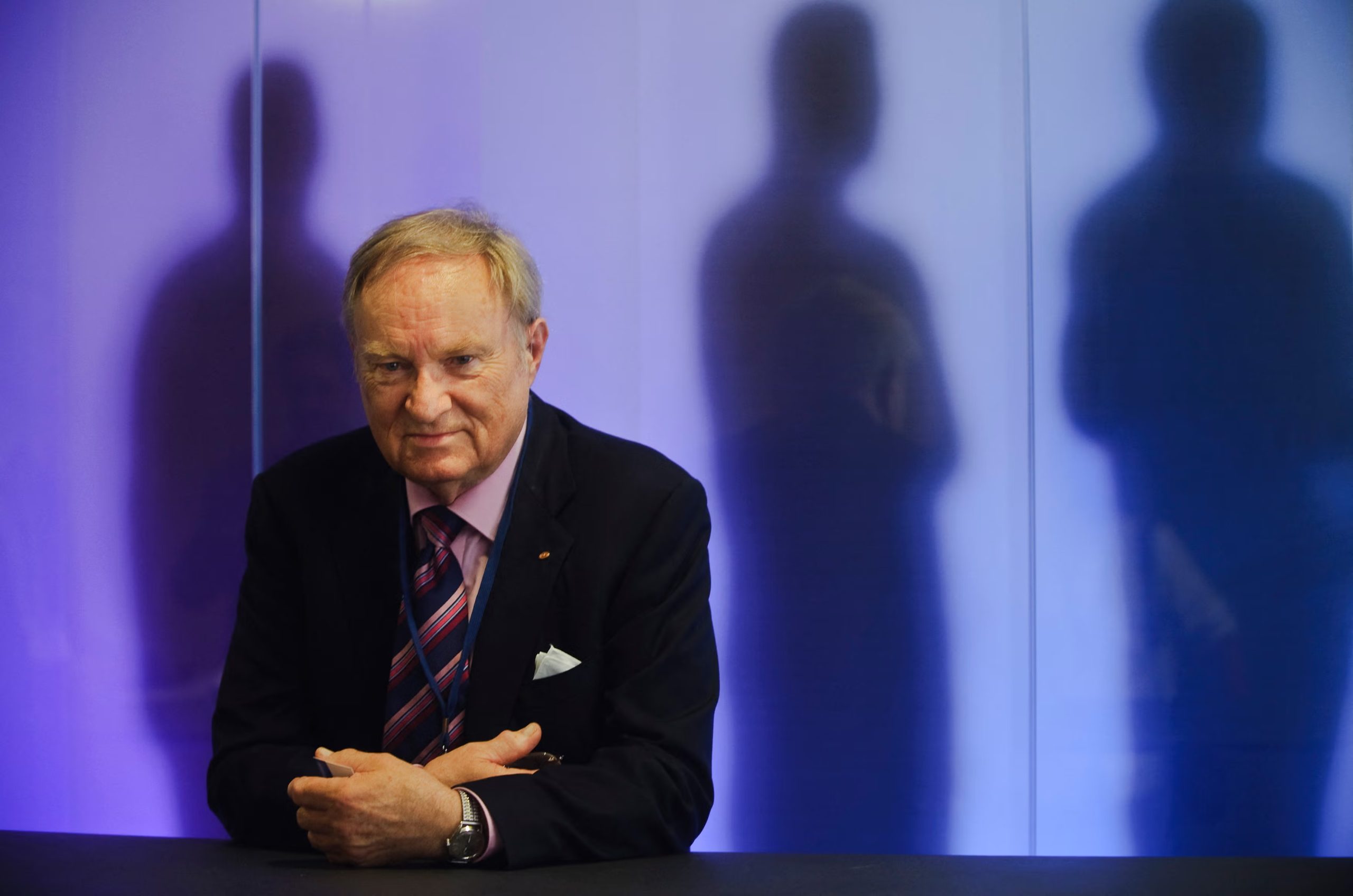 >
>
Yet, Minelli’s work didn’t come without obstacles. He navigated countless legal battles. A significant victory arrived in 2011 when the European Court of Human Rights affirmed an individual’s right to decide on the manner and timing of their own death. The nuance is important: Switzerland distinguishes between assisted suicide (where the individual self-administers a lethal drug) and euthanasia (where a physician administers the drug), the latter remaining illegal.
The timing of Minelli’s death is worth considering. It comes as countries like the UK are inching closer to reforming their laws on assisted dying. The UK’s House of Lords is currently debating an assisted dying bill. Here, concerns persist that vulnerable individuals, particularly the disabled and elderly, might face undue pressure to end their lives. This challenge raises serious ethical questions.
What’s often overlooked in these debates is Dignitas’ claim that only a small fraction of those seeking their services ultimately proceed with assisted suicide. The organization argues that simply knowing the option exists brings solace and empowers people to continue living. It’s a compelling assertion, one that suggests the power of agency in the face of suffering.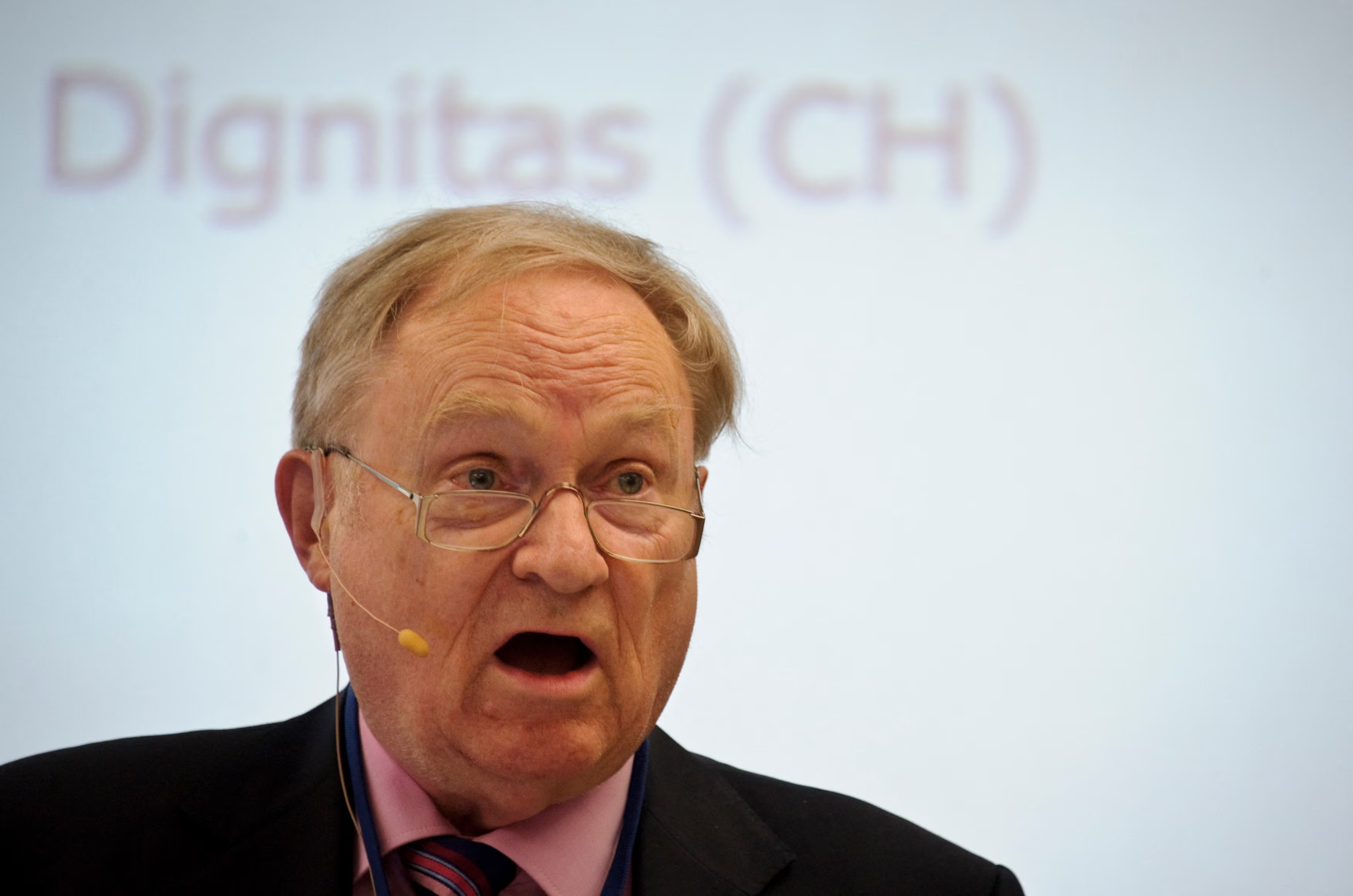 >
>
Personal experience suggests that end-of-life decisions are intensely personal. Generalizations are often misleading. One person’s definition of “dignity” may drastically differ from another’s. The factors influencing these choices are multifaceted, encompassing physical pain, emotional distress, philosophical beliefs, and social support systems.
That said, a degree of skepticism is warranted regarding any organization profiting from assisted suicide. It is important to scrutinize the safeguards they have. It is also important to examine what measures they use to ensure informed consent. We must also check that people are not being exploited when they are in vulnerable moments. Could there be inherent biases, even unintentional ones, that influence a person’s decision? This question needs constant examination.
The rise of organizations like Dignitas speaks to a broader societal shift. As medical advancements extend lifespans, questions about the quality of that life become increasingly urgent. People grapple with chronic illnesses, debilitating conditions, and the fear of losing autonomy. It’s reasonable to wonder whether our healthcare systems adequately address these concerns.
It’s worth noting that many opponents of assisted suicide advocate for improved palliative care and mental health services. They argue that focusing on alleviating suffering and providing comprehensive support can empower individuals to live fuller lives, even in the face of serious illness. This alternative deserves serious consideration.
Minelli’s legacy is undeniably complex. He was a champion of individual liberty to some. Others view him as promoting a dangerous path. His death serves as a stark reminder of the difficult conversations we must continue having about life, death, and the choices that lie between. The key is approaching these discussions with empathy, respect, and a willingness to grapple with uncomfortable truths.
The future of assisted dying will depend on how societies balance individual autonomy with the protection of vulnerable populations. What regulations are necessary to prevent abuse? What support systems can be strengthened to ensure that every individual has the opportunity to live a meaningful life, regardless of their physical or mental condition? These are the pressing questions that Minelli’s work leaves us to ponder. The answers will shape the landscape of end-of-life care for generations to come.

![[post_title]](https://samony.com.ng/wp-content/uploads/2025/11/Police-dismiss-video-alleging-arrest-of-Kwara-church-attackers-300x169.jpeg?lm=691FA8CB "Nigeria’s Vigilante Justice: Bridging Security Gaps or Fracturing the Rule of Law?")
![[post_title]](https://samony.com.ng/wp-content/uploads/2025/11/1764540086_The-best-Cyber-Monday-2025-streaming-deals-Disney-Plus-Hulu-300x159.jpg?lm=692CBEB6 "Cyber Monday Streaming Deals: Hidden Gems or Just Clever Traps?")
![[post_title]](https://samony.com.ng/wp-content/uploads/2025/11/Eight-ways-to-drink-less-during-Christmas-party-season-300x169.jpeg?lm=692CBF26 "Holiday Drinks Got You Stressed? Here’s How I’m Actually Enjoying Party Season (and Staying Sober-ish)")

![[post_title]](https://samony.com.ng/wp-content/uploads/2025/11/Le-golazo-dAzzedine-Ounahi-contre-le-Real-Madrid-300x169.jpg?lm=692CB937 "Decoding La Liga Upsets: Tactical Shifts, Psychological Edges, and Media Hype")
![[post_title]](https://samony.com.ng/wp-content/uploads/2025/11/1764538758_Champion-jockey-20-fighting-for-life-in-intensive-care-after-300x158.jpg?lm=692CB989 "Joe Leavy’s Accident: Racing’s Responsibility to Young Athletes’ Well-being")

![[post_title]](https://samony.com.ng/wp-content/uploads/2025/11/Wounded-Barca-shaky-Madrid-need-La-Liga-morale-boost.jpg?lm=692CC0CB "Can Barca & Real Bounce Back? La Liga Giants Under Pressure After Europe")
![[post_title]](https://samony.com.ng/wp-content/uploads/2025/11/Police-dismiss-video-alleging-arrest-of-Kwara-church-attackers.jpeg?lm=691FA8C9 "Nigeria’s Vigilante Justice: Bridging Security Gaps or Fracturing the Rule of Law?")
![[post_title]](https://samony.com.ng/wp-content/uploads/2025/11/1764540086_The-best-Cyber-Monday-2025-streaming-deals-Disney-Plus-Hulu-1024x541.jpg?lm=692CBEB7 "Cyber Monday Streaming Deals: Hidden Gems or Just Clever Traps?")
