

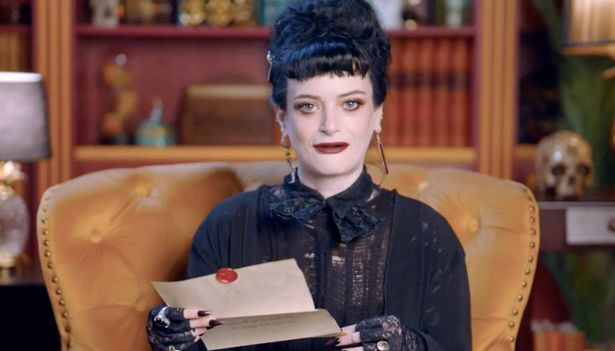
Ruth Codd’s Journey: Disability Representation and the Evolving Landscape of Media
Ruth Codd, the comedian and actress known for Celebrity Traitors, recently shared that she underwent a second below-knee amputation. This news, while personal, sparks a broader conversation about disability representation in media and how the industry is (or isn’t) adapting.
Codd’s initial below-knee amputation happened six years ago, a consequence of a football injury from her teens that never quite healed. Now, she’s had the same procedure performed on her other leg. While the reason for this second amputation remains private, it underscores the realities many individuals with disabilities face – challenges that often remain unseen.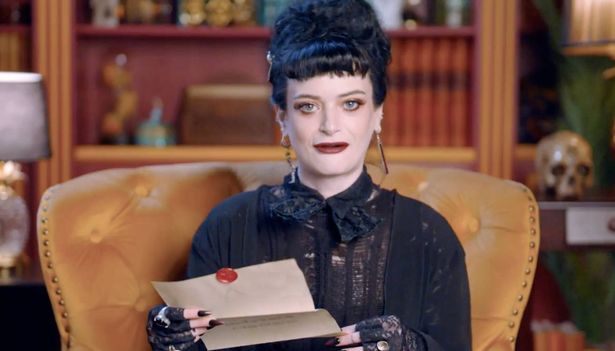 >
>
Her recent participation in Celebrity Traitors placed her in the public eye. Despite being eliminated relatively early, she quickly became a fan favorite. Viewers responded to her wit and honesty, traits that also shine through in her social media presence. It’s worth observing how Codd uses platforms like TikTok to connect with audiences, sharing her experiences with a blend of humor and raw honesty.
However, her experience also reveals a persistent gap. Mainstream media still has a long way to go in portraying disability authentically. Codd’s journey, like many others, highlights the necessity for more nuanced narratives. It also shows there’s a public appetite for stories about people navigating life’s complexities with resilience and humor.
The entertainment industry is slowly changing. We see more disabled actors and characters on screen, but true inclusion requires more than just visibility. It demands roles that aren’t solely defined by disability, storylines that reflect the diversity of disabled experiences, and decision-makers behind the scenes who understand these nuances.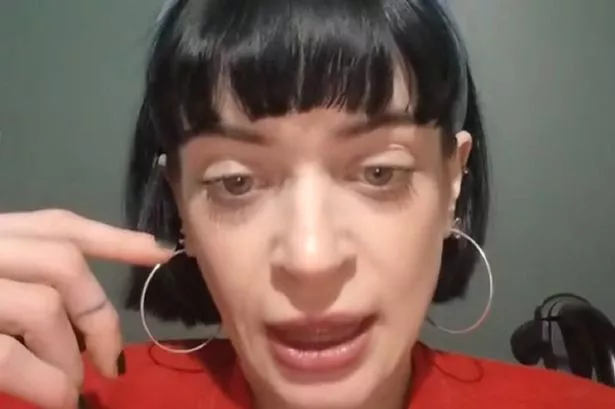 >
>
Consider the casting process. Are roles typically written with disability in mind or retrofitted? Are disabled actors given the same opportunities as their non-disabled peers? These questions expose a fundamental issue: systemic bias that often excludes disabled talent.
Then there’s the question of authenticity. Are disabled characters portrayed accurately, or are they reduced to stereotypes? Are their stories told from their perspectives, or are they filtered through the lens of non-disabled writers and directors? The difference is striking. One feels genuine; the other, contrived.
Codd’s social media posts, where she wryly dubs her new wheelchair “Fat Tony,” exemplifies the authentic voice that often lacks in mainstream portrayals. This self-aware humor, this willingness to embrace her reality, connects with audiences in a way that manufactured narratives often fail to do.
The industry should take note. Codd’s popularity isn’t just about her personality; it’s about the authenticity she brings to the table. People are hungry for representation that feels real, that reflects the lives of people they know and see around them.
This challenge extends beyond representation on screen. It involves creating inclusive sets, providing accessible accommodations, and dismantling the barriers that prevent disabled individuals from participating fully in the industry.
From my own experience, progress can feel glacial. I’ve witnessed firsthand the assumptions and biases that persist within the entertainment world. Yet, I also see a growing awareness, a willingness to listen, and a desire to do better.
The success of shows like Special and The Upshaws, which feature disabled characters and actors, suggests a shift in audience expectations. People want to see their own experiences reflected on screen, and they’re willing to support stories that challenge conventional narratives.
What does this mean for the future? Perhaps we will see more disabled creatives taking the reins, writing, directing, and producing their own stories. Maybe the industry will finally embrace a more inclusive and equitable approach to casting and storytelling.
It’s worth noting that change will not happen overnight. It requires a sustained effort from everyone involved – from the studios and networks to the writers, directors, actors, and audiences.
Codd’s journey offers a hopeful note, but much remains to be achieved. By amplifying disabled voices, challenging stereotypes, and creating more inclusive spaces, the media can play a vital role in shaping a more just and equitable world. That’s a transformation worth pursuing. Her experiences and the reactions she’s receiving just might propel us a little further.

![[post_title]](https://samony.com.ng/wp-content/uploads/2025/12/Peter-Obi-reacts-to-distribution-of-2027-campaign-vehicles-for-300x166.jpeg?lm=6931A32F "Obi Slams Tinubu’s Luxury Vehicles: Is Nigeria’s Trust Broken Again?")
![[post_title]](https://samony.com.ng/wp-content/uploads/2025/12/Why-Does-Yogurt-Hurt-My-Stomach-300x169.jpg?lm=6931A158 "Yogurt Hurts Your Stomach? Here’s Why")
![[post_title]](https://samony.com.ng/wp-content/uploads/2025/12/FBI-announces-arrest-of-suspect-who-left-pipe-bombs-in-300x200.jpg?lm=6931A1B2 "Okay, they finally made an arrest in the January 6th pipe bomb case, but is something still off?")
![[post_title]](https://samony.com.ng/wp-content/uploads/2025/12/1764860569_Prince-Harry-makes-surprise-TV-appearance-as-father-in-law-in-intensive-300x158.jpg?lm=6931A29B "Prince Harry’s Colbert Cameo: A Calculated Move or Royal Overexposure?")
![[post_title]](https://samony.com.ng/wp-content/uploads/2025/12/1764854990_Police-officers-attached-to-VIPs-now-wear-suits-to-bypass-300x162.jpg?lm=69318CD2 "Nigeria’s VIP Security Dilemma: Reform and Resistance")

![[post_title]](https://samony.com.ng/wp-content/uploads/2025/12/Peter-Obi-reacts-to-distribution-of-2027-campaign-vehicles-for-1024x565.jpeg?lm=6931A32F "Obi Slams Tinubu’s Luxury Vehicles: Is Nigeria’s Trust Broken Again?")
