

![[post_title]](https://samony.com.ng/wp-content/uploads/2025/12/1764602476_Model-David-Gandy-goes-to-war-with-Peppa-Pigs-useless-1024x538.jpg?lm=692DB26F)
Daddy Pig Under Fire: Analyzing Modern Masculinity in Media and Beyond
David Gandy’s recent comments about Daddy Pig sparked quite the debate on modern masculinity. Gandy criticizes the popular children’s cartoon character for portraying fathers as incompetent and “useless fools,” arguing that this reinforces outdated and harmful gender roles. He also took a swipe at Andrew Tate’s “extreme form of masculinity”. It’s a multi-layered issue and one that’s worth examining.
Gandy’s perspective, as a successful model and father, offers a valuable, lived-in viewpoint. He contrasts the outdated portrayal of fathers in shows like Peppa Pig with the reality of modern fathers who actively participate in household chores and childcare. He makes a valid point. Where are the positive male role models in children’s media?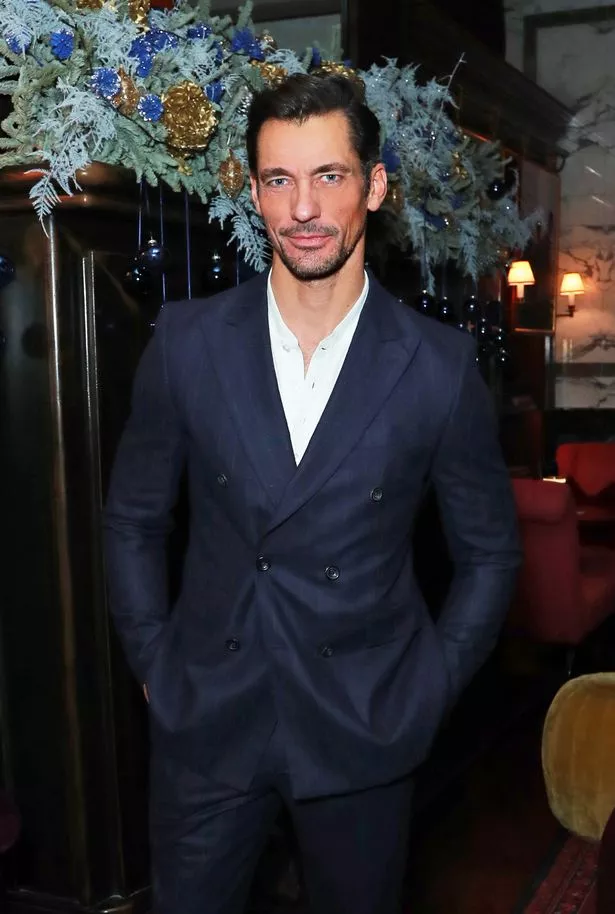 >
>
The issue touches on broader conversations surrounding media representation and its influence on young minds. Media holds significant power in shaping perceptions. The consistent depiction of fathers as bumbling or inept can subtly ingrain these stereotypes in children, potentially affecting their expectations and understanding of family dynamics.
Is Gandy’s critique justified? Maybe. Peppa Pig is, after all, a cartoon aimed at very young children. Its narratives are simplistic. Perhaps expecting nuanced character development from a cartoon pig is a stretch. Yet, media creators must recognize the potential impact of their work. Even seemingly harmless entertainment can contribute to wider societal narratives.
Now, the criticism of Andrew Tate introduces a completely different dimension. Tate’s brand of masculinity promotes dominance, aggression, and a return to traditional gender roles. It’s a message that some find appealing, particularly young men seeking a sense of identity and purpose. This challenge demands attention.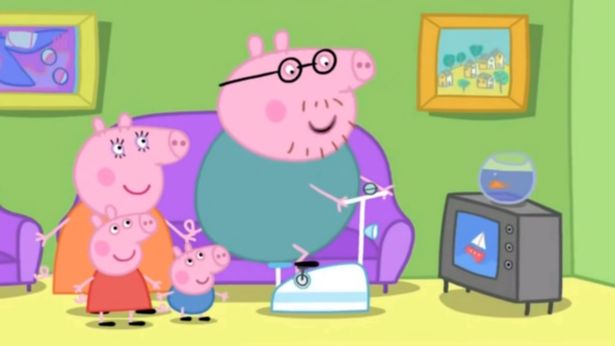 >
>
Gandy argues, correctly, that Tate’s views are “disruptive” and “immature.” They can be harmful, especially to “vulnerable men” searching for guidance. This highlights a critical need for diverse and positive representations of masculinity. We need to showcase men who are strong, kind, empathetic, and engaged in all aspects of life.
Interestingly, Gandy himself becomes a subject of scrutiny. He notes that people see him as “defining masculinity” due to his interests in classic cars, suits, and skiing. This suggests that traditional markers of masculinity still hold significant weight in public perception. However, he counters this by emphasizing his involvement in domestic duties, indicating that modern masculinity encompasses a wider range of qualities and behaviors.
The current landscape of media representation and the rise of figures like Andrew Tate create an opportunity for change. There’s space for more authentic narratives that reflect the complexities of modern masculinity. These stories must showcase the strength in vulnerability, the importance of emotional intelligence, and the value of shared responsibility within families and communities.
Consider the advertising industry. Brands are increasingly aware of the need to portray men in a more nuanced way. This shift reflects a growing recognition that outdated stereotypes are not only harmful but also ineffective. The future will likely see more campaigns that celebrate men who are both successful in their careers and actively involved in their families.
The conversation initiated by Gandy underscores the ongoing evolution of masculinity. There isn’t a single definition. It’s a fluid concept shaped by cultural, social, and individual factors. The key lies in fostering an environment that embraces diversity, encourages empathy, and promotes healthy relationships.
It goes without saying that navigating these discussions requires nuance. Dismissing concerns about media representation as mere “political correctness” is unhelpful. Likewise, demonizing all traditional expressions of masculinity is unproductive. What’s truly required is open dialogue and a willingness to challenge assumptions.
The need for role models extends beyond media. Mentorship programs, community initiatives, and family structures play a vital role in shaping young men’s understanding of themselves and their place in the world. We must equip young men with the tools to navigate the complexities of modern life, foster healthy relationships, and contribute positively to society.
Ultimately, the debate surrounding Daddy Pig serves as a reminder that even seemingly trivial cultural artifacts can spark important conversations. It compels us to critically examine the messages we consume and the role they play in shaping our understanding of ourselves and the world around us. Let’s not oversimplify the issue. This is a ongoing social recalibration and requires a thoughtful and empathetic approach. The challenge is not to erase the past, but to build a future where masculinity is defined by inclusivity, respect, and genuine connection.

![[post_title]](https://samony.com.ng/wp-content/uploads/2025/12/Youth-clash-leaves-1-dead-dozens-arrested-in-Niger-300x180.jpg?lm=692DB21B "Minna Youth Violence: Unpacking Nigeria’s Deadly Clash")
![[post_title]](https://samony.com.ng/wp-content/uploads/2025/12/1764602476_Model-David-Gandy-goes-to-war-with-Peppa-Pigs-useless-300x158.jpg?lm=692DB26F "Masculinity Under the Microscope: Daddy Pig to Andrew Tate")
![[post_title]](https://samony.com.ng/wp-content/uploads/2025/12/Nigerian-Senate-Does-Not-Pursue-Rigorous-Investigations-Will-Not-Surprise-300x169.jpg?lm=692DAE12 "Nigeria’s Ambassadorial Appointments: Inside the Senate’s Rubber Stamp and the Price of Neglect")
![[post_title]](https://samony.com.ng/wp-content/uploads/2025/12/1764601426_Pep-Guardiola-unable-to-put-timeline-on-Rodri-return-in-300x204.jpg?lm=692DAE56 "Manchester City’s Rodri Absence: Guardiola’s Dilemma, Fulham Threat, and Tactical Shifts")
![[post_title]](https://samony.com.ng/wp-content/uploads/2025/12/I-didnt-inherit-my-fathers-money-I-built-everything-from-300x150.jpg?lm=692DA850 "Dangote’s Rise: Inheritance vs. Ambition in Africa’s Business Empire")

![[post_title]](https://samony.com.ng/wp-content/uploads/2025/12/Tunisia-vs-Syria-How-When-to-Watch-1024x682.jpeg?lm=692DB0DD "Tunisia vs. Syria: Who Wins This Arab Cup Opener? My Prediction Is…")
![[post_title]](https://samony.com.ng/wp-content/uploads/2025/12/Youth-clash-leaves-1-dead-dozens-arrested-in-Niger-1024x614.jpg?lm=692DB21B "Minna Youth Violence: Unpacking Nigeria’s Deadly Clash")
