Marjorie Taylor Greene has issued a sharp warning to Donald Trump regarding overseas military actions, specifically after recent operations in Venezuela. Greene stated that these interventions represent the very type of foreign entanglement that many within the MAGA movement believed they voted to end. She articulated that the consistent funding of foreign causes and governments, while Americans face rising costs for essentials like housing and healthcare, is a major point of contention and outrage. The congresswoman’s comments highlight a growing sentiment of disillusionment with foreign policy among a segment of the Republican base. Greene’s critique comes as the US faces domestic economic challenges, making overseas military spending a particularly sensitive issue.
Greene’s extensive post on X detailed her concerns, emphasizing that regime change and the channeling of American taxpayer dollars to foreign entities are precisely what many voters rejected. She pointed out the irony of these actions occurring while American citizens grapple with increasing living expenses and instances of fraud involving their tax money. This perspective suggests a significant internal debate within the Republican party about the direction of foreign policy and the prioritization of domestic needs.
What is the MAGA sentiment regarding foreign intervention? The MAGA sentiment, as articulated by Marjorie Taylor Greene, largely opposes foreign interventions, regime change operations, and the expenditure of American tax dollars on overseas causes when domestic issues like rising costs of living, housing, and healthcare remain unaddressed.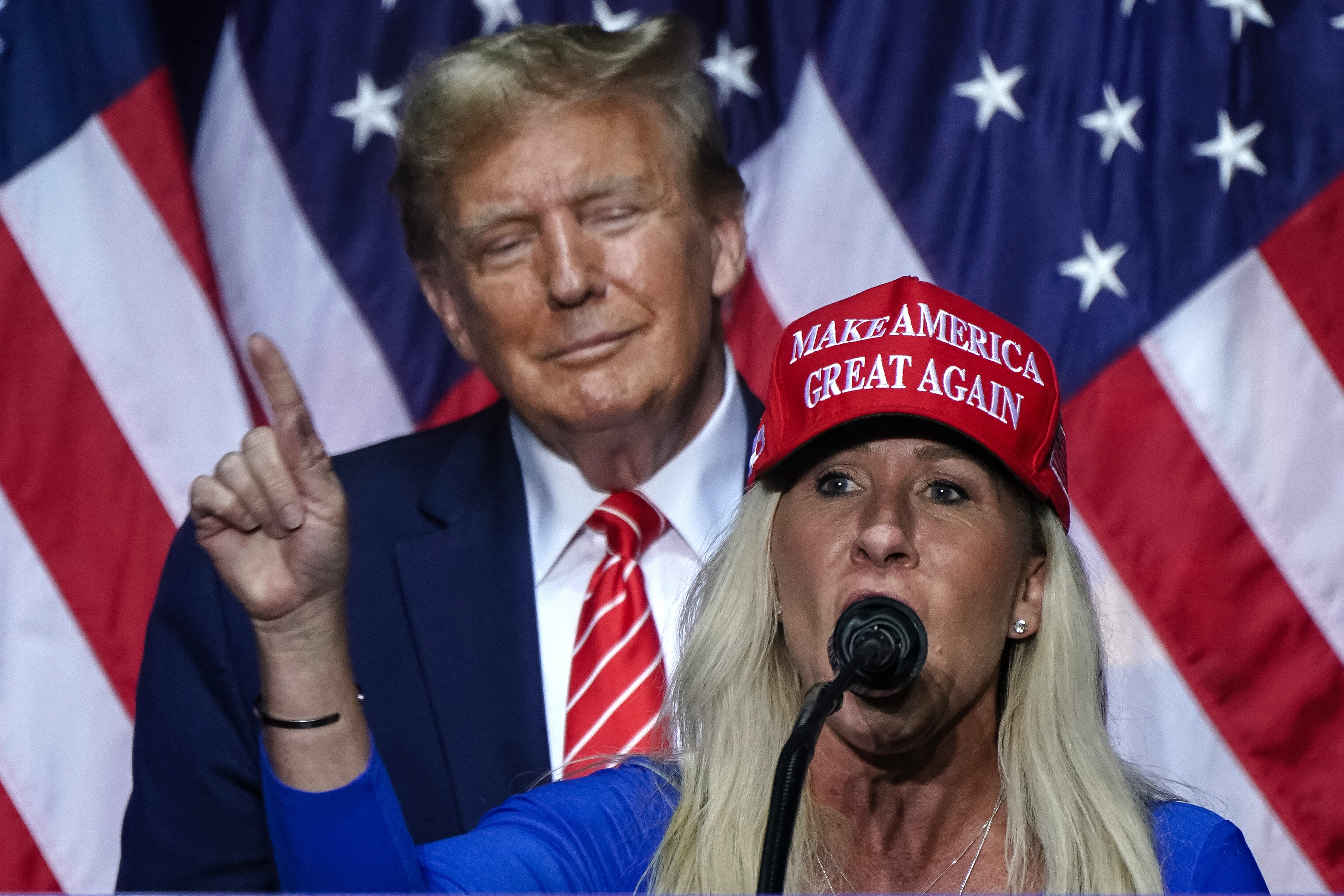
President Trump’s justification for authorizing CIA operations in Venezuela, including the capture of President Nicolas Maduro, was based on claims that Venezuela had released criminals into the United States and contributed to drug trafficking. However, Greene challenged these assertions by noting that the majority of US drug overdose deaths are linked to fentanyl, which primarily enters the country through Mexico, not Venezuela. This factual counterpoint aims to undermine the administration’s rationale for intervention.
Greene further questioned the sincerity of the administration’s stated goal of saving American lives from drugs. She posed a direct question: if the objective was truly to combat deadly drugs, why had the Trump administration not taken decisive action against Mexican cartels, who she identified as the primary source of fentanyl. This line of questioning suggests a potential hypocrisy or misallocation of resources in the administration’s drug interdiction strategy.
The congresswoman also referenced Trump’s past pardons, specifically that of former Honduran President Juan Orlando Hernandez, who was convicted of drug trafficking. This comparison serves to further scrutinize the administration’s approach to combating international drug trade and its foreign policy decisions.
Greene expressed that the American public’s frustration with continuous military aggression and support for foreign wars is entirely justified. She underscored that citizens are forced to bear the financial burden of these operations, with both major political parties consistently funding what she described as the ‘Washington military machine.’ This paints a picture of bipartisan complicity in foreign policy decisions that she believes are detrimental to American interests.
Her concluding statement, “This is what many in MAGA thought they voted to end. Boy were we wrong,” signifies a profound sense of betrayal and disappointment among those who expected a significant shift in foreign policy under Trump’s leadership. It indicates a perceived failure to deliver on a key promise of prioritizing American interests and reducing overseas entanglements.
This public rift between Greene and Trump, a former close ally, signals a potential fracturing within the Republican party’s base and its approach to foreign policy. The shift from close support to vocal criticism highlights the evolving dynamics and internal disagreements within the party.
Greene’s intention to resign from Congress adds another layer to this political narrative, suggesting that her critiques might be informed by her impending departure from legislative duties. The timing of her strong statements could be seen as a final assertion of her political convictions.
Senate Minority Leader Chuck Schumer commented on the situation, noting that while some Republicans privately express concerns about the Venezuela operation, they have been reluctant to voice these criticisms publicly. This suggests a broader trend of Republican lawmakers being hesitant to challenge the administration on foreign policy matters, despite potential underlying dissent.
Schumer urged Republicans to hold their party accountable and to resist Trump on this particular issue, emphasizing its seriousness and the need for a united front against potentially misguided foreign policy decisions. His call for accountability underscores the political stakes involved in these foreign policy debates.