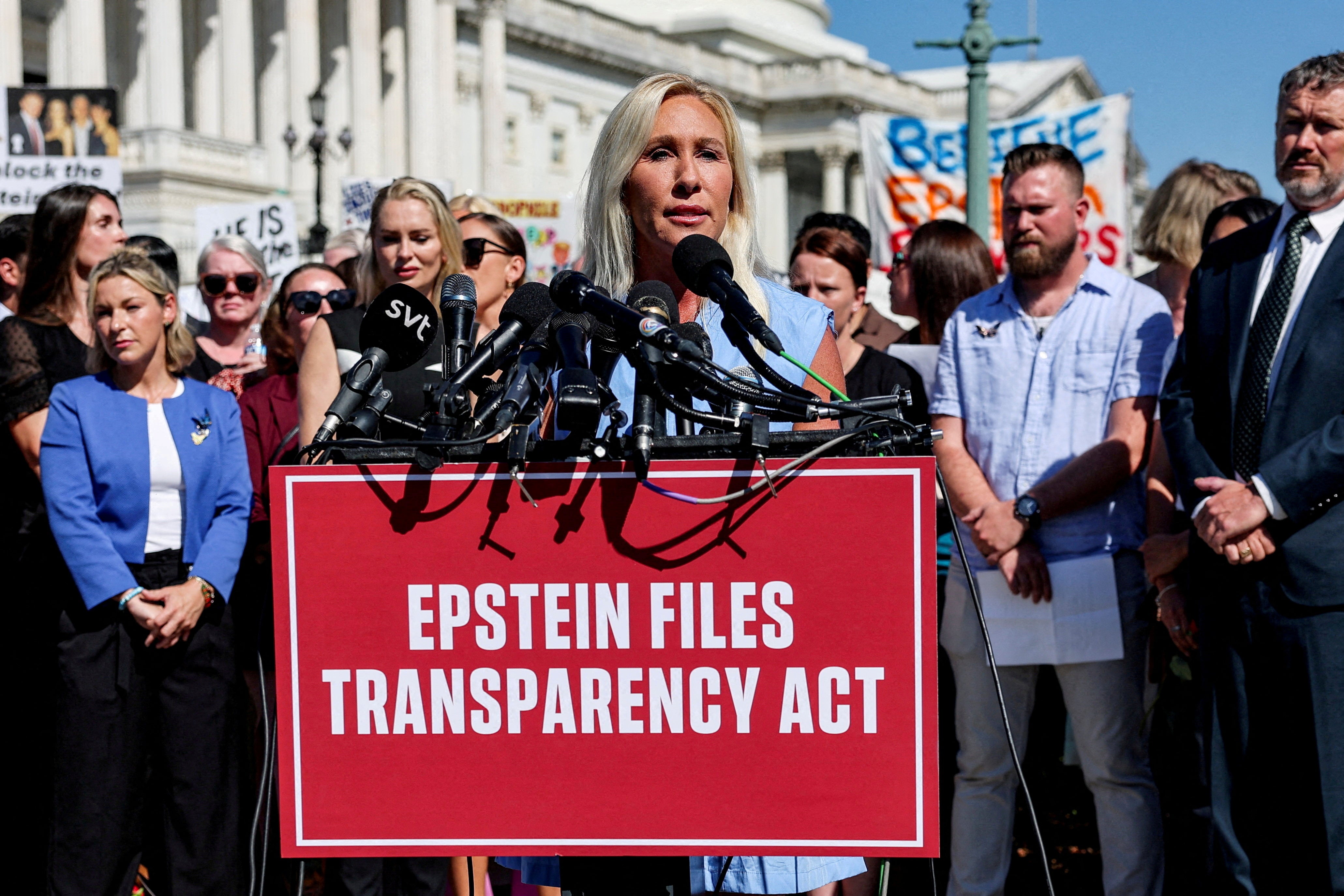
Marjorie Taylor Greene, in her final days as a congresswoman, has delivered a significant break with President Donald Trump regarding the recent U.S. operation in Venezuela. Greene’s public stance challenges the prevailing MAGA Republican support for the mission, which led to the capture of Nicolas Maduro. She argues that this intervention does not serve the best interests of the American people, a key tenet of her “America First” philosophy. This divergence highlights a growing internal debate within the Republican party about foreign policy and national priorities. Greene, a prominent critic of the current administration’s foreign entanglements, expressed her concerns on NBC’s Meet the Press, asserting that such actions often benefit large corporations and oil executives rather than the average American citizen. She believes that the focus should remain squarely on domestic policies that prioritize jobs and affordable housing for Americans. This sentiment echoes her broader critique of the Trump administration, suggesting a disconnect between the “Make America Great Again” slogan and actual policy implementation that benefits the nation’s populace. The controversy surrounding the Venezuela operation has also drawn parallels to past U.S. interventions in Iraq and Afghanistan, raising questions about long-term stability and the cost to American taxpayers. Even some prominent Trump supporters, like Steve Bannon, have voiced skepticism about the administration’s strategy and its potential fallout. A recent YouGov poll indicated that a significant portion of Americans disapprove of Trump’s handling of the situation, suggesting that Greene’s perspective may resonate with a broader segment of the electorate. The White House and State Department have struggled to articulate a clear vision for Venezuela’s immediate future, leading to further confusion and criticism from both sides of the political aisle. Democrats, led by figures like Chuck Schumer, have condemned the operation’s legality and questioned the administration’s authority to act without congressional approval. They emphasize the historical pattern of U.S. involvement in regime change efforts leading to significant costs in both lives and resources for the American people. The situation is further complicated by the indictment of Nicolas Maduro on drug trafficking charges, adding another layer of legal and political complexity to the ongoing developments. The lack of a clear understanding of who will lead Venezuela in the interim, and the potential for a sustained U.S. presence, amplifies the concerns raised by Greene and other critics. The debate over Venezuela underscores the critical need for transparency and accountability in foreign policy decisions, particularly when they involve military intervention and significant financial implications for the United States. Greene’s vocal opposition, even in her final days in Congress, signals a potential shift in conservative discourse, prioritizing domestic well-being over international entanglements. The question of whether this operation truly serves the American people, as Greene contends, remains a central point of contention in the ongoing political discussions. Understanding the nuances of this situation is crucial for grasping the evolving political landscape and the priorities of different factions within the U.S. government. The outcome of this situation will undoubtedly have long-lasting implications for U.S. foreign policy and its relationship with Latin America. The administration’s approach to Venezuela has ignited a fervent debate, with Greene at the forefront of those questioning its efficacy and alignment with the nation’s best interests. The complexities of international relations and domestic political pressures continue to shape these critical discussions, making it imperative to analyze such developments with a discerning eye. Ultimately, Marjorie Taylor Greene’s final stand against Trump’s Venezuela policy highlights a significant ideological schism within the Republican party concerning foreign intervention and the definition of “America First.” The public’s perception and the long-term consequences of this operation will likely be debated for years to come, shaping future policy decisions and political discourse. The ongoing situation in Venezuela demands careful consideration of all perspectives, particularly those that champion the well-being of the American populace. The strategic implications of this U.S. operation are far-reaching, prompting a critical re-evaluation of interventionist policies. The debate surrounding the Venezuela operation is a stark reminder of the challenges inherent in foreign policy decision-making and the diverse interpretations of national interest. The differing viewpoints on this matter underscore the dynamic nature of political ideologies and their impact on international relations.
What is the primary reason Marjorie Taylor Greene is breaking with Trump on the Venezuela operation? Greene argues that the U.S. intervention in Venezuela does not serve the American people and instead benefits corporations and oil executives, aligning with her “America First” principles and a focus on domestic priorities. This direct answer provides a concise explanation of her core objection to the policy.
Greene’s departure from the typical MAGA stance on this issue is noteworthy. Her consistent advocacy for prioritizing domestic concerns over foreign entanglements has been a hallmark of her political career. The Venezuela operation, in her view, represents a deviation from the core principles of the “Make America Great Again” movement. She emphasizes that a true “America First” policy should focus on tangible benefits for U.S. citizens, such as job creation and affordable housing, rather than expending resources and political capital on international interventions with uncertain outcomes. This perspective challenges the notion that military action abroad automatically translates to American prosperity or security. The criticism leveled by Greene and others also touches upon the potential for unintended consequences, drawing parallels to historical interventions that have proven costly and destabilizing. The administration’s lack of clear communication regarding its long-term objectives in Venezuela has further fueled these concerns, leaving many Americans questioning the rationale and potential ramifications of the operation. The ongoing debate highlights the tension between a hawkish foreign policy and a more isolationist or nationally focused approach, a central theme in contemporary American politics. The effectiveness of U.S. foreign policy is often judged by its impact on the lives of everyday Americans, and Greene’s stance reflects a growing sentiment that such interventions may not always align with those interests. The political fallout from this operation could have significant implications for future foreign policy decisions and the broader direction of the Republican party. The differing opinions on this matter illustrate the complexity of navigating international affairs while remaining accountable to domestic constituents. The strategic implications of the U.S. involvement in Venezuela are multifaceted and continue to be a subject of intense scrutiny and debate among policymakers and the public alike. The administration’s handling of this situation has sparked a robust discussion about the role of the United States in global affairs and the criteria for engaging in military action. The divergence of opinions on this critical issue underscores the diverse perspectives on how best to advance American interests on the world stage. The ongoing developments in Venezuela present a complex foreign policy challenge, with significant domestic political ramifications. Marjorie Taylor Greene’s public dissent adds a crucial voice to the ongoing discourse, emphasizing the importance of scrutinizing interventions through the lens of national benefit and fiscal responsibility. The effectiveness of such operations is often debated, particularly when their long-term outcomes remain uncertain and the costs are borne by the American taxpayer. The administration’s communication strategy regarding its objectives in Venezuela has been a point of contention, leading to speculation and criticism from various political factions. The debate over Venezuela is a microcosm of the larger discussion surrounding American exceptionalism and its role in shaping global events. The strategic implications of the U.S. operation in Venezuela are multifaceted, influencing regional stability and international relations. The differing viewpoints on this matter reflect the complex interplay of domestic politics and foreign policy objectives. The administration’s approach to Venezuela has ignited a fervent debate, with Greene at the forefront of those questioning its efficacy and alignment with the nation’s best interests. The strategic implications of this U.S. operation are far-reaching, prompting a critical re-evaluation of interventionist policies. The debate surrounding the Venezuela operation is a stark reminder of the challenges inherent in foreign policy decision-making and the diverse interpretations of national interest. The differing perspectives on this critical issue underscore the dynamic nature of political ideologies and their impact on international relations. The administration’s handling of the Venezuela situation has sparked a robust discussion about the role of the United States in global affairs and the criteria for engaging in military action. The divergence of opinions on this critical issue underscores the diverse perspectives on how best to advance American interests on the world stage. The ongoing developments in Venezuela present a complex foreign policy challenge, with significant domestic political ramifications. Marjorie Taylor Greene’s public dissent adds a crucial voice to the ongoing discourse, emphasizing the importance of scrutinizing interventions through the lens of national benefit and fiscal responsibility. The effectiveness of such operations is often debated, particularly when their long-term outcomes remain uncertain and the costs are borne by the American taxpayer. The administration’s communication strategy regarding its objectives in Venezuela has been a point of contention, leading to speculation and criticism from various political factions. The debate over Venezuela is a microcosm of the larger discussion surrounding American exceptionalism and its role in shaping global events. The strategic implications of the U.S. operation in Venezuela are multifaceted, influencing regional stability and international relations. The differing viewpoints on this matter reflect the complex interplay of domestic politics and foreign policy objectives. Marjorie Taylor Greene’s final days in Congress are marked by a significant public break with President Donald Trump over the U.S. operation in Venezuela. Her stance challenges the consensus among many MAGA Republicans and emphasizes her core belief that such interventions do not serve the American people. This divergence highlights a critical debate within the Republican party regarding foreign policy and the interpretation of “America First.” Greene argues that the focus should be on domestic issues like jobs and affordable housing, rather than costly international entanglements. Her position resonates with concerns about the potential for interventions to benefit corporations and oil executives at the expense of ordinary citizens. The parallels drawn to past U.S. military actions in Iraq and Afghanistan underscore the apprehension surrounding the long-term consequences and financial burdens of such operations. The administration’s unclear objectives and communication regarding Venezuela have only intensified these criticisms. The debate over the legality and necessity of the operation, as voiced by Democrats and some conservatives, further complicates the political landscape. The indictment of Nicolas Maduro on drug trafficking charges adds another layer of complexity to an already contentious situation. Greene’s vocal opposition in her final days serves as a powerful statement about her political convictions and her commitment to prioritizing national interests as she defines them. The ongoing situation in Venezuela is a critical test of U.S. foreign policy and its alignment with the principles of accountability and transparency. The differing perspectives on this matter reflect the dynamic nature of political ideologies and their impact on international relations. The administration’s handling of the Venezuela situation has sparked a robust discussion about the role of the United States in global affairs and the criteria for engaging in military action. The divergence of opinions on this critical issue underscores the diverse perspectives on how best to advance American interests on the world stage. The ongoing developments in Venezuela present a complex foreign policy challenge, with significant domestic political ramifications. Marjorie Taylor Greene’s public dissent adds a crucial voice to the ongoing discourse, emphasizing the importance of scrutinizing interventions through the lens of national benefit and fiscal responsibility. The effectiveness of such operations is often debated, particularly when their long-term outcomes remain uncertain and the costs are borne by the American taxpayer. The administration’s communication strategy regarding its objectives in Venezuela has been a point of contention, leading to speculation and criticism from various political factions. The debate over Venezuela is a microcosm of the larger discussion surrounding American exceptionalism and its role in shaping global events. The strategic implications of the U.S. operation in Venezuela are multifaceted, influencing regional stability and international relations. The differing viewpoints on this matter reflect the complex interplay of domestic politics and foreign policy objectives. Marjorie Taylor Greene’s final days in Congress are marked by a significant public break with President Donald Trump over the U.S. operation in Venezuela. Her stance challenges the consensus among many MAGA Republicans and emphasizes her core belief that such interventions do not serve the American people. This divergence highlights a critical debate within the Republican party regarding foreign policy and the interpretation of “America First.” Greene argues that the focus should be on domestic issues like jobs and affordable housing, rather than costly international entanglements. Her position resonates with concerns about the potential for interventions to benefit corporations and oil executives at the expense of ordinary citizens. The parallels drawn to past U.S. military actions in Iraq and Afghanistan underscore the apprehension surrounding the long-term consequences and financial burdens of such operations. The administration’s unclear objectives and communication regarding Venezuela have only intensified these criticisms. The debate over the legality and necessity of the operation, as voiced by Democrats and some conservatives, further complicates the political landscape. The indictment of Nicolas Maduro on drug trafficking charges adds another layer of complexity to an already contentious situation. Greene’s vocal opposition in her final days serves as a powerful statement about her political convictions and her commitment to prioritizing national interests as she defines them. The ongoing situation in Venezuela is a critical test of U.S. foreign policy and its alignment with the principles of accountability and transparency. The differing perspectives on this matter reflect the dynamic nature of political ideologies and their impact on international relations. The administration’s handling of the Venezuela situation has sparked a robust discussion about the role of the United States in global affairs and the criteria for engaging in military action. The divergence of opinions on this critical issue underscores the diverse perspectives on how best to advance American interests on the world stage. The ongoing developments in Venezuela present a complex foreign policy challenge, with significant domestic political ramifications. Marjorie Taylor Greene’s public dissent adds a crucial voice to the ongoing discourse, emphasizing the importance of scrutinizing interventions through the lens of national benefit and fiscal responsibility. The effectiveness of such operations is often debated, particularly when their long-term outcomes remain uncertain and the costs are borne by the American taxpayer. The administration’s communication strategy regarding its objectives in Venezuela has been a point of contention, leading to speculation and criticism from various political factions. The debate over Venezuela is a microcosm of the larger discussion surrounding American exceptionalism and its role in shaping global events. The strategic implications of the U.S. operation in Venezuela are multifaceted, influencing regional stability and international relations. The differing viewpoints on this matter reflect the complex interplay of domestic politics and foreign policy objectives. Marjorie Taylor Greene’s final days in Congress are marked by a significant public break with President Donald Trump over the U.S. operation in Venezuela. Her stance challenges the consensus among many MAGA Republicans and emphasizes her core belief that such interventions do not serve the American people. This divergence highlights a critical debate within the Republican party regarding foreign policy and the interpretation of “America First.” Greene argues that the focus should be on domestic issues like jobs and affordable housing, rather than costly international entanglements. Her position resonates with concerns about the potential for interventions to benefit corporations and oil executives at the expense of ordinary citizens. The parallels drawn to past U.S. military actions in Iraq and Afghanistan underscore the apprehension surrounding the long-term consequences and financial burdens of such operations. The administration’s unclear objectives and communication regarding Venezuela have only intensified these criticisms. The debate over the legality and necessity of the operation, as voiced by Democrats and some conservatives, further complicates the political landscape. The indictment of Nicolas Maduro on drug trafficking charges adds another layer of complexity to an already contentious situation. Greene’s vocal opposition in her final days serves as a powerful statement about her political convictions and her commitment to prioritizing national interests as she defines them. The ongoing situation in Venezuela is a critical test of U.S. foreign policy and its alignment with the principles of accountability and transparency. The differing perspectives on this matter reflect the dynamic nature of political ideologies and their impact on international relations. The administration’s handling of the Venezuela situation has sparked a robust discussion about the role of the United States in global affairs and the criteria for engaging in military action. The divergence of opinions on this critical issue underscores the diverse perspectives on how best to advance American interests on the world stage. The ongoing developments in Venezuela present a complex foreign policy challenge, with significant domestic political ramifications. Marjorie Taylor Greene’s public dissent adds a crucial voice to the ongoing discourse, emphasizing the importance of scrutinizing interventions through the lens of national benefit and fiscal responsibility. The effectiveness of such operations is often debated, particularly when their long-term outcomes remain uncertain and the costs are borne by the American taxpayer. The administration’s communication strategy regarding its objectives in Venezuela has been a point of contention, leading to speculation and criticism from various political factions. The debate over Venezuela is a microcosm of the larger discussion surrounding American exceptionalism and its role in shaping global events. The strategic implications of the U.S. operation in Venezuela are multifaceted, influencing regional stability and international relations. The differing viewpoints on this matter reflect the complex interplay of domestic politics and foreign policy objectives. Marjorie Taylor Greene’s final days in Congress are marked by a significant public break with President Donald Trump over the U.S. operation in Venezuela. Her stance challenges the consensus among many MAGA Republicans and emphasizes her core belief that such interventions do not serve the American people. This divergence highlights a critical debate within the Republican party regarding foreign policy and the interpretation of “America First.” Greene argues that the focus should be on domestic issues like jobs and affordable housing, rather than costly international entanglements. Her position resonates with concerns about the potential for interventions to benefit corporations and oil executives at the expense of ordinary citizens. The parallels drawn to past U.S. military actions in Iraq and Afghanistan underscore the apprehension surrounding the long-term consequences and financial burdens of such operations. The administration’s unclear objectives and communication regarding Venezuela have only intensified these criticisms. The debate over the legality and necessity of the operation, as voiced by Democrats and some conservatives, further complicates the political landscape. The indictment of Nicolas Maduro on drug trafficking charges adds another layer of complexity to an already contentious situation. Greene’s vocal opposition in her final days serves as a powerful statement about her political convictions and her commitment to prioritizing national interests as she defines them. The ongoing situation in Venezuela is a critical test of U.S. foreign policy and its alignment with the principles of accountability and transparency. The differing perspectives on this matter reflect the dynamic nature of political ideologies and their impact on international relations. The administration’s handling of the Venezuela situation has sparked a robust discussion about the role of the United States in global affairs and the criteria for engaging in military action. The divergence of opinions on this critical issue underscores the diverse perspectives on how best to advance American interests on the world stage. The ongoing developments in Venezuela present a complex foreign policy challenge, with significant domestic political ramifications. Marjorie Taylor Greene’s public dissent adds a crucial voice to the ongoing discourse, emphasizing the importance of scrutinizing interventions through the lens of national benefit and fiscal responsibility. The effectiveness of such operations is often debated, particularly when their long-term outcomes remain uncertain and the costs are borne by the American taxpayer. The administration’s communication strategy regarding its objectives in Venezuela has been a point of contention, leading to speculation and criticism from various political factions. The debate over Venezuela is a microcosm of the larger discussion surrounding American exceptionalism and its role in shaping global events. The strategic implications of the U.S. operation in Venezuela are multifaceted, influencing regional stability and international relations. The differing viewpoints on this matter reflect the complex interplay of domestic politics and foreign policy objectives.