

![[post_title]](https://samony.com.ng/wp-content/uploads/2025/12/1766068018_Marc-Marquez-propels-MotoGP-to-record-figures-in-2025-1024x682.jpg?lm=69440F34)
MotoGP concluded its 2025 season by reporting unprecedented levels of global engagement and fan growth, attributing much of this success to the compelling narrative surrounding Marc Marquez’s highly anticipated comeback. The championship, which saw its longest campaign to date, recorded a significant 12% increase in its global fanbase, now reaching an estimated 632 million individuals worldwide. This remarkable surge underscores a period of accelerated transformation for the sport, particularly since the strategic involvement of Liberty Media.
The season’s compelling storyline, often centered on the Marquez brothers, captivated audiences across 22 Grands Prix held in 18 different countries. While Marc Marquez’s return to competitive racing dominated headlines and fan interest, his brother Alex also played a pivotal, albeit unexpected, supporting role in shaping the campaign’s dramatic arc. This dual focus on sibling rivalry and comeback triumphs proved instrumental in drawing new spectators and re-engaging existing enthusiasts.
Circuit attendance figures also reached a historic peak, with a cumulative 3.6 million spectators flocking to race weekends throughout the year. This record number highlights the enduring appeal of live motorsport events, despite the logistical challenges often associated with large-scale gatherings. The French Grand Prix at Le Mans emerged as a particular highlight, drawing an astounding 312,000 fans over the event weekend, setting a new benchmark for individual race attendance.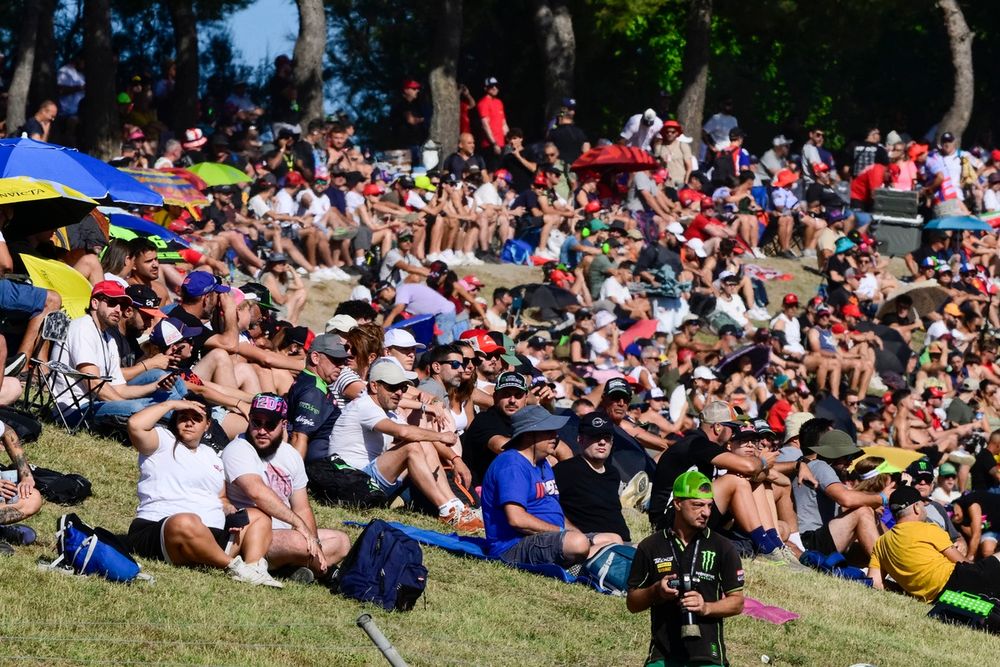
Despite these impressive attendance numbers, Dorna, the commercial rights holder for MotoGP, acknowledges that enhancing trackside presence remains a strategic priority for the series. The record turnout signals positive momentum, yet continued efforts are essential to further optimize the fan experience and accessibility at circuits globally. Such initiatives are crucial for solidifying the connection between the sport and its passionate supporters on the ground.
Television viewership also experienced substantial gains, with an average increase of 9% across the entire season. This growth was notably amplified during the increasingly popular sprint races, which saw a remarkable 26% rise in audience figures. The success of the shorter format races suggests a strong appetite among viewers for condensed, high-intensity competition, prompting potential strategic considerations for future race weekend structures.
In the realm of broadcast rights, a key development for the championship involves the upcoming announcement of its Italian broadcaster for the 2026 season and beyond. Sky Italia’s current contract is set to expire at the close of 2025, making the securing of a new agreement a critical step for maintaining and expanding MotoGP’s significant presence in one of its most important European markets. The outcome of these negotiations will be closely watched by fans and industry stakeholders alike.
Digital platforms also showcased exceptional growth, reinforcing MotoGP’s robust online footprint. The championship’s various social media channels collectively surpassed 60 million followers, demonstrating a widespread and active online community. Furthermore, the official MotoGP YouTube channel recorded over one billion minutes watched, underscoring the effectiveness of its digital content strategy in engaging a global audience through diverse media.
Demographic data paints a promising picture for the sport’s long-term sustainability, revealing that more than half of MotoGP’s extensive fanbase is under the age of 35. This strong appeal to younger audiences is a vital indicator of future growth and relevance, positioning MotoGP favorably within the competitive landscape of global sports entertainment. Attracting and retaining this demographic is crucial for sustained commercial success and cultural impact.
Carmelo Ezpeleta, CEO of Dorna, reflected on the season’s achievements, stating, “This year has been historic, and a clear reflection of the work we have done to open up our sport to new audiences, while strengthening the connection with our fans.” He further emphasized, “This year demonstrates the strength and dynamism of our sport today, and makes clear the power of MotoGP to captivate audiences around the world.” His comments highlight a deliberate strategy to broaden the sport’s appeal.
The confluence of a captivating sporting narrative, strategic broadcast innovations like sprint races, and a proactive digital engagement strategy has clearly paid dividends for MotoGP. As the championship continues to evolve under the influence of new ownership and an expanding global reach, these record-breaking figures establish a strong foundation for continued growth and innovation in the years ahead, solidifying its position as a premier global motorsport.

![[post_title]](https://samony.com.ng/wp-content/uploads/2025/12/Saudi-Arabia-a-E10-billion-rumor-and-Barcelonas-finances-back-300x156.jpg?lm=69440C57 "Saudi Arabia’s €10 Billion Barcelona Bid: Financial Hopes vs. Ownership Reality")
![[post_title]](https://samony.com.ng/wp-content/uploads/2025/12/French-doctor-jailed-for-poisoning-30-patients-including-children-300x169.jpeg?lm=69440CC3 "French Anaesthetist Jailed for Life Over Patient Poisonings in Besançon")
![[post_title]](https://samony.com.ng/wp-content/uploads/2025/12/1766067596_Exact-dates-you-can-snap-up-Christmas-vegetables-from-5p-300x158.jpg?lm=69440D8E "UK Supermarkets Slash Christmas Vegetable Prices to 5p")
![[post_title]](https://samony.com.ng/wp-content/uploads/2025/12/FAAN-Approves-Commencement-Of-Commercial-Flights-To-Ibadan-Airport-300x262.jpg?lm=69440A2B "Ibadan Airport Cleared for Commercial Flights After Upgrades")




![[post_title]](https://samony.com.ng/wp-content/uploads/2025/12/Saudi-Arabia-a-E10-billion-rumor-and-Barcelonas-finances-back-1024x531.jpg?lm=69440C58 "Saudi Arabia’s €10 Billion Barcelona Bid: Financial Hopes vs. Ownership Reality")
![[post_title]](https://samony.com.ng/wp-content/uploads/2025/12/French-doctor-jailed-for-poisoning-30-patients-including-children.jpeg?lm=69440CC2 "French Anaesthetist Jailed for Life Over Patient Poisonings in Besançon")
