


Manchester Museum has opened a groundbreaking exhibition featuring thousands of African objects, many of which were acquired during the height of the British Empire and whose precise origins remain largely unknown. Curators are adopting an unprecedented “honest approach,” openly acknowledging significant gaps in the museum’s records regarding how these items were obtained and their original cultural contexts. This display aims to provoke public discourse on the ethical responsibilities associated with colonial-era collections and the future stewardship of such heritage.
Housed within its newly established Africa Hub, this exhibition intentionally highlights the “gaps and silences” in the museum’s extensive archives. Unlike traditional displays that present fully researched narratives, this gallery functions as a starting point for public engagement. Lucy Edematie, a curator, emphasized that the initiative represents “the beginning” of a collaborative research process, inviting visitors to participate in understanding and interpreting these historically complex artifacts.
The profound lack of information accompanying many pieces is starkly illustrated by a particular figure depicting a horse with an ibis on its back. Museum records only indicate that this object was donated by a Mrs. M. A. Bellhouse in 1976. Crucially, details concerning its name, specific place of origin, the community from which it came, or its traditional use within that culture are entirely absent, underscoring the challenge curators face.
The more than 40,000 objects from across Africa that comprise the museum’s collection entered its possession through a variety of means during the British Empire period. A museum spokesperson confirmed that while some items were acquired through trade, others were obtained via anthropological expeditions, confiscation during colonial rule, or outright looting. This historical context directly contributes to the current scarcity of detailed provenance information for many artifacts.
Manchester Museum, an institution affiliated with the University of Manchester, states that its transparent exhibition strategy is designed to foster a crucial conversation about the appropriate display and potential future of these objects. This includes exploring the possibility of repatriation to their places of origin or developing innovative collaborations with diaspora communities to share and celebrate this rich but complex cultural heritage. The museum seeks to move beyond traditional curatorial practices by openly addressing its colonial legacies.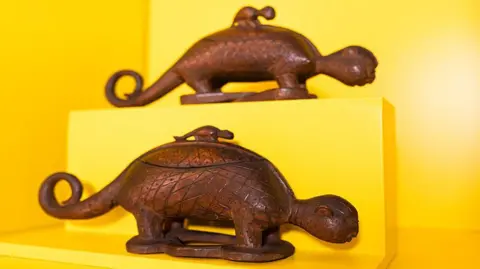
A significant aspect of the exhibition involves active co-curation with community groups, notably the Igbo Community Greater Manchester (ICM). Their involvement ensures that the display incorporates contemporary perspectives and lived experiences. Sylvia Mgbeahurike, vice-chairwoman of ICM, underscored the importance of bringing these objects together, recognizing that some were “given, some were stolen, some were taken forcefully out of conquest.” She articulated a vision of inclusiveness and strength in diversity that transcends geographical and historical divides.
This initiative by Manchester Museum aligns with a growing global movement among cultural institutions to confront the legacies of colonialism embedded within their collections. Museums worldwide are increasingly grappling with demands for decolonization, restitution, and a more equitable representation of diverse histories. The open acknowledgment of problematic acquisition histories, as demonstrated in Manchester, represents a pivotal step in these ongoing international dialogues.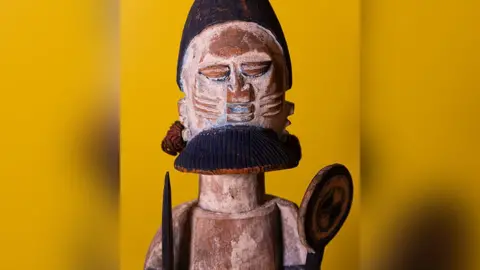
By choosing to highlight rather than obscure the gaps in its records, Manchester Museum positions itself at the forefront of a progressive approach to museum ethics. Its commitment to transparency and public involvement in the interpretive process offers a model for other institutions facing similar challenges with colonial-era acquisitions. The exhibition serves not merely as a display of artifacts, but as a dynamic platform for critical reflection and collaborative research into shared global heritage.

![[post_title]](https://samony.com.ng/wp-content/uploads/2025/12/1766045137_Aldi-urges-UK-shoppers-to-check-twice-to-prevent-Christmas-300x158.jpg?lm=6943B5D2 "Christmas Dinner Disasters: Why Shoppers Forget Key Festive Items")
![[post_title]](https://samony.com.ng/wp-content/uploads/2025/12/Tropical-disease-melioidosis-rebranded-melio-after-record-breaking-year-for-soil-borne-300x169.jpeg?lm=6943B6F6 "Cairns Rebrands Melioidosis to ‘Melio’ Amid Alarming Case Spike")
![[post_title]](https://samony.com.ng/wp-content/uploads/2025/12/1766044578_Melania-Trump-drops-new-trailer-for-her-40M-Amazon-documentary.png?lm=6943B3A2 "Melania Trump Documentary Unveiled Amidst $40M Amazon Deal")
![[post_title]](https://samony.com.ng/wp-content/uploads/2025/12/NMDPRA-NUPRC-Chiefs-Resign-Amid-Dangote-Petition-Fallout-300x264.jpeg?lm=6943B4D7 "Nigeria Oil Regulatory Chiefs Resign Amid Dangote Dispute Fallout")

![[post_title]](https://samony.com.ng/wp-content/uploads/2025/12/1766043971_Heartbroken-Shirley-Ballas-confirms-tragic-death-days-before-Strictly-final-300x158.jpg?lm=6943B144 "Shirley Ballas Mourns Beloved Aunt Mavis Ahead of Strictly Final")


![[post_title]](https://samony.com.ng/wp-content/uploads/2025/12/1766045137_Aldi-urges-UK-shoppers-to-check-twice-to-prevent-Christmas-1024x538.jpg?lm=6943B5D3 "Christmas Dinner Disasters: Why Shoppers Forget Key Festive Items")
![[post_title]](https://samony.com.ng/wp-content/uploads/2025/12/Tropical-disease-melioidosis-rebranded-melio-after-record-breaking-year-for-soil-borne.jpeg?lm=6943B6F5 "Cairns Rebrands Melioidosis to ‘Melio’ Amid Alarming Case Spike")
