


A public display of frustration emerged at Old Trafford as Kobbie Mainoo’s brother, Jordan Mainoo-Hames, wore a t-shirt emblazoned with the message “Free Kobbie Mainoo” during Manchester United’s recent fixture against Bournemouth. The gesture, widely interpreted as a direct appeal to head coach Ruben Amorim, underscored growing concerns over the promising midfielder’s limited playing time this season. The incident quickly gained traction, highlighting the delicate balance between player development and team selection at one of football’s most scrutinised clubs.
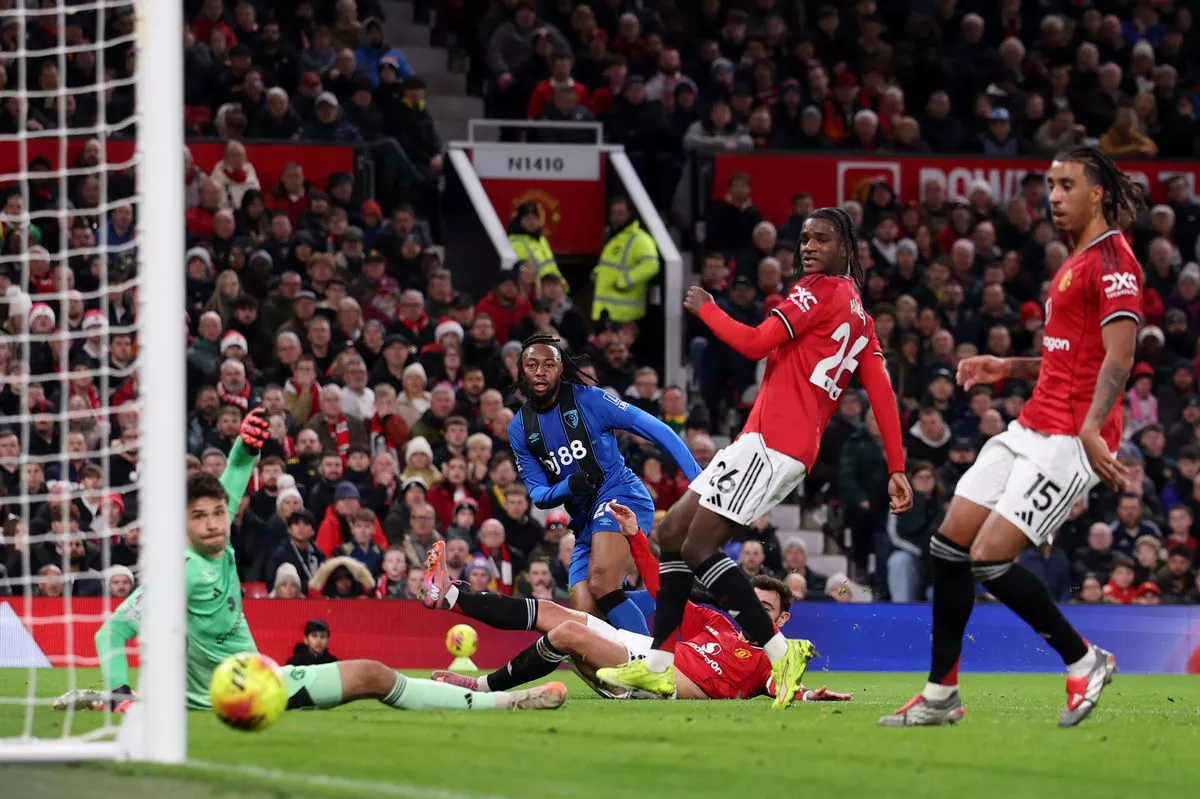
The protest unfolded amidst a dramatic 4-4 draw where Mainoo was introduced as a second-half substitute, receiving a warm reception from the home crowd. His appearance on the pitch, though brief, amplified the sentiment among a significant portion of the fanbase that the 20-year-old academy graduate has been underutilised. This public demonstration by a close family member signals an escalating discomfort within Mainoo’s camp regarding his current role.
Kobbie Mainoo’s ascent through Manchester United’s academy ranks has been nothing short of meteoric. Last season saw him become a pivotal figure, culminating in him scoring the winning goal in the 2024 FA Cup final and subsequently earning a starting berth for England in the Euro 2024 final. His performances garnered widespread acclaim, positioning him as one of the brightest young talents in English football and a cornerstone for United’s future.
Despite his previous successes and undeniable potential, Mainoo has found opportunities scarce under new manager Ruben Amorim. He has yet to secure a start in the Premier League this season, a stark contrast to his impactful contributions last term. This lack of consistent first-team action raises questions about Amorim’s long-term plans for the midfielder and the immediate strategy for integrating academy products into the senior squad.
Jordan Mainoo-Hames, a well-known television personality who featured on Love Island in 2019, ensured the message reached a broad audience beyond the stadium. He posted a picture of himself in the ‘Free Kobbie Mainoo’ t-shirt on his Instagram story, leveraging his platform to amplify the sentiment. This deliberate and pre-planned stunt suggests a concerted effort to draw attention to his brother’s predicament and potentially influence future decisions.
The public criticism, including that from Manchester United legend Paul Scholes, regarding Mainoo’s game time has not gone unnoticed by Amorim. While the Portuguese manager has previously acknowledged the frustration surrounding the young player’s situation, he has consistently maintained that team objectives and collective performance take precedence. He faces the challenge of managing a large squad with significant individual aspirations.
Addressing the speculation surrounding Mainoo’s future, Amorim commented on Friday that “frustration doesn’t help anybody” but reiterated his willingness to engage directly with players. “If Kobbie comes to me and talks to me, I will talk to him,” Amorim stated, adding, “I just want my players happy, and I understand that every individual has their goals.” This suggests an open dialogue remains possible, albeit within the confines of his managerial philosophy.
The dilemma for Mainoo extends beyond club football, directly impacting his aspirations for a place in Thomas Tuchel’s England squad ahead of next summer’s World Cup. Regular first-team football is often deemed crucial for players hoping to solidify their international standing. A lack of consistent minutes at Old Trafford could jeopardise his chances, making a potential move in the January transfer window a critical consideration for his development.
The situation exemplifies the perennial challenge faced by top clubs in nurturing prodigious talents while simultaneously competing for honours. Balancing the immediate demands for results with the long-term development of young stars requires astute management. Fan expectations, often heightened by past successes and sentimental attachments to academy graduates, add another layer of complexity to these decisions.
Such public displays of discontent, particularly from a player’s family, can create an uncomfortable atmosphere within a club. While it may galvanise a segment of the fanbase, it can also strain relationships between players, management, and the board. The timing, ahead of the crucial January transfer window, suggests a strategic move to prompt action regarding Mainoo’s playing opportunities, whether at United or elsewhere.
Historically, many promising young footballers have faced similar crossroads, opting to leave their boyhood clubs in pursuit of regular game time, sometimes to great success, and other times with mixed results. The decision for Mainoo, should it come to that, would be significant, marking a potential turning point in his burgeoning career and influencing the trajectory of his international ambitions.
As the January transfer window approaches, all eyes will remain on Kobbie Mainoo and Manchester United. The ‘Free Kobbie’ message has amplified the conversation, bringing the young midfielder’s future sharply into focus. Whether Amorim can integrate him more fully, or if Mainoo will seek opportunities elsewhere, remains a key narrative for the club and its supporters in the coming months.

![[post_title]](https://samony.com.ng/wp-content/uploads/2025/12/2026-NFL-draft-order-Browns-rooting-guide-for-Week-15-300x156.jpg?lm=694099A8 "Browns Eye Top 2026 NFL Draft Pick as Week 15 Approaches")
![[post_title]](https://samony.com.ng/wp-content/uploads/2025/12/Tinubu-vows-to-sustain-Buharis-legacies-300x200.jpg?lm=6940966D "Tinubu Pledges to Uphold Buhari’s Leadership Legacies")
![[post_title]](https://samony.com.ng/wp-content/uploads/2025/12/Court-discharges-acquits-IVD-of-involvement-in-wifes-death-300x185.jpeg?lm=6940969C "Court Acquits IVD in High-Profile Manslaughter Case of Wife’s Death")
![[post_title]](https://samony.com.ng/wp-content/uploads/2025/12/1765840015_This-Small-Town-Gem-Offers-Big-Value-300x200.jpg?lm=69409490 "Paris, Tennessee: Affordable Retirement Amidst Scenic Beauty and Community")
![[post_title]](https://samony.com.ng/wp-content/uploads/2025/12/1765839518_Rio-Ferdinand-makes-clear-Man-Utd-transfer-demand-after-chaotic-300x202.jpg?lm=694092A1 "Rio Ferdinand Urges Manchester United to Sign Antoine Semenyo")


![[post_title]](https://samony.com.ng/wp-content/uploads/2025/12/2026-NFL-draft-order-Browns-rooting-guide-for-Week-15-1024x532.jpg?lm=694099A8 "Browns Eye Top 2026 NFL Draft Pick as Week 15 Approaches")
![[post_title]](https://samony.com.ng/wp-content/uploads/2025/12/Tinubu-vows-to-sustain-Buharis-legacies-1024x683.jpg?lm=6940966D "Tinubu Pledges to Uphold Buhari’s Leadership Legacies")
