Brian Pippitt, who spent over 26 years in prison for a murder he maintained he did not commit, is now a free man. His release follows a groundbreaking admission by prosecutors that he was wrongfully convicted. Pippitt was serving a life sentence for the 1998 murder of Evelyn Malin, a convenience store clerk. The Minnesota Attorney General’s Conviction Review Unit has now concluded that Pippitt should be fully exonerated, a stunning development that led to his sentence commutation. Pippitt, now 63, is expected to walk out of prison this week, marking a significant victory in his long fight for justice. He was originally arrested in 1999 and convicted in 2001 for the crime, where Malin was found beaten and strangled in her apartment. The original prosecution alleged Pippitt and four others broke into the store for alcohol and committed the murder during the burglary.
Despite consistently proclaiming his innocence and losing multiple appeals, Pippitt continued his legal battle from within the Rush City Correctional Facility. He even initiated a dog training program for inmates, demonstrating resilience throughout his incarceration. “I couldn’t believe that I was sitting there in prison,” he told KARE11. “The legal system is supposed to be just and protect the innocent and it didn’t do any of that.”
The turning point came in 2024 when the Attorney General’s Conviction Review Unit released a comprehensive report detailing the flaws in Pippitt’s original trial. This unit, established in 2021, has reviewed a substantial number of cases, with Pippitt’s being the first to result in a recommendation for full exoneration of an incarcerated individual. The office stated that only three out of 1,151 reviewed applications had previously led to exoneration recommendations.
The Conviction Review Unit’s investigation uncovered critical issues with the original prosecution’s case. A significant problem was the reliance on “unreliable testimony” from key witnesses, including co-defendants who had received leniency in exchange for their statements. Notably, two of these witnesses have since recanted their original testimonies. Furthermore, testimony from a jailhouse informant, who claimed Pippitt confessed to the murder, was found to contradict other available evidence.
Crucially, the report found no physical evidence linking Pippitt to the crime scene. No fingerprints, hair samples, or DNA recovered from Malin’s apartment matched Pippitt. An independent expert who reviewed a re-enactment video created by the Minnesota Bureau of Criminal Apprehension concluded that the scenario presented by the prosecution was “implausible,” questioning how five men could have committed the crime without leaving any trace evidence.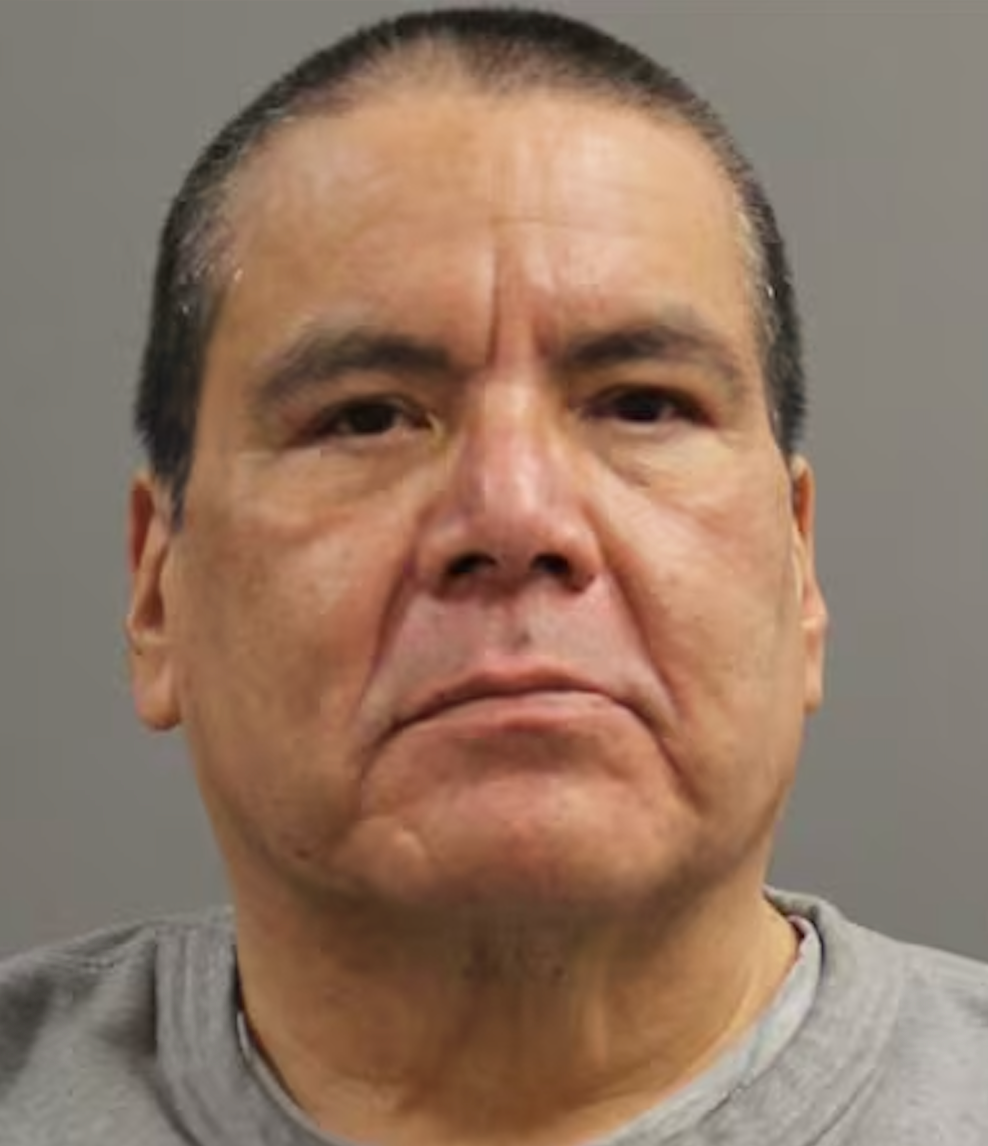
The Conviction Review Unit also identified a failure on the part of Pippitt’s trial attorney to adequately challenge the prosecution’s evidence or mount a robust defense. Based on these findings, the Board of Pardons voted to commute Pippitt’s sentence. Although he is being released on parole, the legal process to formally overturn his conviction is ongoing in Aitkin County Court. Pippitt remains committed to clearing his name entirely.
What is a wrongful conviction? A wrongful conviction occurs when an innocent person is found guilty of a crime they did not commit, often due to errors in the legal process, flawed evidence, or mistaken identity. These cases highlight systemic issues within the justice system and the importance of conviction review units.
Pippitt expressed that the knowledge of his innocence and the eventual surfacing of the truth were what sustained him through the years of imprisonment. He shared that his primary focus upon release is to experience simple joys, such as taking walks and observing the night sky. While he acknowledges that many of his acquaintances have passed away, he looks forward to reconnecting with his sister and father and hopes to adopt a dog. The fight for full exoneration continues, but the immediate freedom and acknowledgment of his innocence represent a profound step forward.
Why was Brian Pippitt wrongfully convicted? Prosecutors admitted that the original conviction relied heavily on unreliable testimony from co-defendants who received plea deals, a jailhouse informant whose account conflicted with evidence, and a lack of physical evidence, such as fingerprints or DNA, linking Pippitt to the crime scene.
How to fight a wrongful conviction: Individuals who believe they have been wrongfully convicted often work with conviction integrity units, pro bono legal organizations, and file appeals based on new evidence or flaws in the original trial. Public awareness and advocacy also play a crucial role.
Is Brian Pippitt fully exonerated? While his sentence has been commuted and he is being released, his conviction has not yet been formally overturned. The legal battle to clear his name completely is ongoing in Aitkin County Court.
What is a conviction review unit? A conviction review unit is a special department within a prosecutor’s office or Attorney General’s office tasked with investigating claims of actual innocence from individuals who have been convicted of crimes. They re-examine evidence, interview witnesses, and assess the fairness of the original trial.
The importance of conviction review units cannot be overstated, as they provide a vital mechanism for rectifying miscarriages of justice. These units often uncover critical errors that were overlooked during the initial proceedings, offering hope to those wrongly imprisoned. The case of Brian Pippitt serves as a powerful testament to their effectiveness and the ongoing pursuit of truth within the legal system.
The legal system’s commitment to reviewing past convictions is essential for maintaining public trust and ensuring that justice is served. The thorough investigation conducted by the Conviction Review Unit in Pippitt’s case demonstrates a dedication to correcting past wrongs and upholding the principles of fairness and accuracy in criminal proceedings.
The journey for Pippitt has been long and arduous, but the eventual acknowledgment of his innocence offers a glimmer of hope for others who may be in similar situations. The detailed findings of the Conviction Review Unit provide a roadmap for future investigations and underscore the need for continued scrutiny of convictions, especially those based on questionable evidence or testimony.
The impact of a wrongful conviction extends far beyond the individual, affecting families and communities. The exoneration of Brian Pippitt, while a personal triumph, also highlights the broader societal imperative to ensure the integrity of the justice system and to provide recourse for those who have been victims of its failures. His story is a reminder that the truth, however long it takes to emerge, is a powerful force for redemption and justice.
The ongoing legal process to fully overturn Pippitt’s conviction signifies the complexity of post-conviction relief. However, his release and the admission of wrongful conviction are significant victories that pave the way for eventual full exoneration. This case underscores the critical role of advocacy and persistent legal effort in challenging unjust outcomes.
The narrative of Brian Pippitt’s exoneration is a compelling one, illustrating the potential for redemption within the justice system. The meticulous work of the Conviction Review Unit in re-examining the evidence and uncovering the truth has been instrumental in this outcome. His story will undoubtedly serve as an inspiration and a beacon of hope for many.