


The critical situation facing British parents Craig and Lindsay Foreman, detained in Iran, has become a focal point amid the escalating Iran protests latest update. Their son, Joe Bennett, has voiced profound concerns over their welfare, particularly following the temporary closure of the British embassy in Tehran. This development casts a stark light on the precarious circumstances of foreign nationals in the country, as the regime continues its brutal crackdown on anti-government demonstrations.
Craig and Lindsay Foreman were arrested by Iranian authorities in January last year while traveling globally, subsequently facing charges of espionage. Their family vehemently denies these allegations, asserting that the couple are innocent tourists who have been unlawfully detained. This case underscores the complexities and dangers inherent in the current geopolitical climate.
The widespread and often deadly Iran protests latest update has significantly worsened the conditions for detainees. Reports indicate thousands of protesters have been killed, and Iranian officials have signaled impending executions for many of those arrested. This environment of heightened repression directly impacts the safety and well-being of all prisoners, including foreign nationals.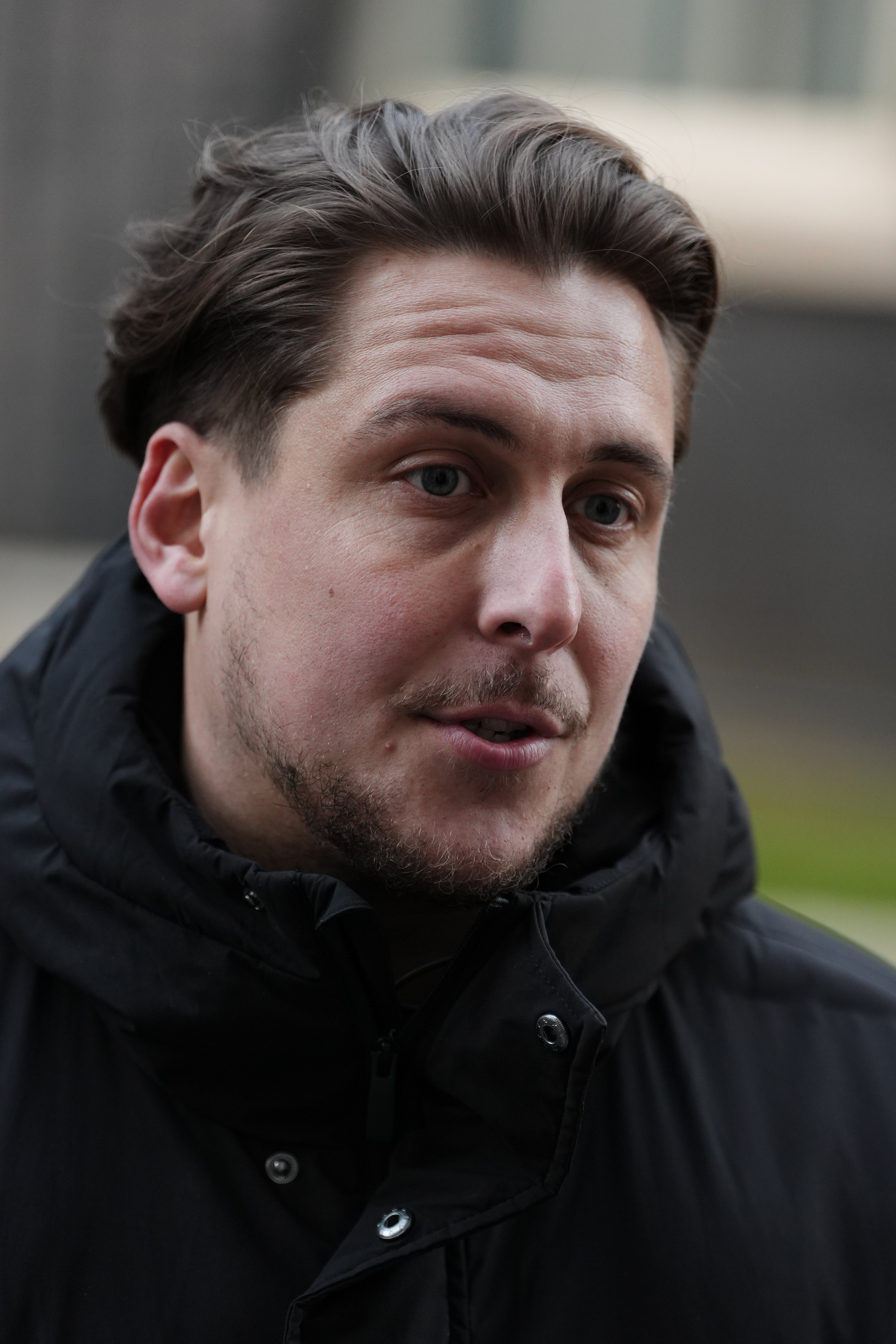
The UK government’s decision to temporarily close its embassy in Tehran, operating remotely instead, has introduced further uncertainty. For individuals like the Foremans, who might have sought the embassy as a safe haven or a point of contact for consular assistance, this closure represents a critical loss of direct support.
Joe Bennett’s concerns are deeply personal and urgent. He described the prison conditions as “dangerous,” citing severe overcrowding exacerbated by the mass arrests during the protests, along with unsanitary environments plagued by vermin and daily outbreaks of violence. His plea highlights the dire reality faced by his parents and others caught in the country’s turbulent political landscape..jpg)
The answer is that British citizens are often detained in Iran on charges such as espionage or security offenses, frequently without clear evidence or due process. These detentions can be politically motivated, used as leverage in international relations, especially during periods of heightened tension or widespread internal unrest.
Bennett’s frustration extends to the perceived lack of robust support from the UK government. He drew a sharp contrast, noting that other nations, such as France and the US, appear to offer higher-level advocacy for their citizens in similar predicaments. This comparison raises questions about the efficacy of the UK vs France hostage policy when it comes to securing the release of their nationals.
Despite the challenging circumstances, legal efforts are underway. An application for bail has been formally submitted by the Foremans’ legal representatives in Iran. Their defense lawyers have consistently argued for the couple’s innocence and the unlawfulness of their continued detention, according to statements from the family.
For those concerned about British citizens abroad rights, particularly in high-risk regions, understanding consular support and legal options is crucial. Cases like the Foremans’ highlight the need for comprehensive information on how to help family detained abroad, from navigating foreign legal systems to engaging with diplomatic channels effectively.
Given the current political climate and the Iran protests latest update, an Iran travel safety guide would strongly advise against all non-essential travel to the country. The risks of arbitrary detention, political unrest, and limited consular assistance are significantly elevated, posing serious threats to personal safety and freedom.
Looking ahead, the incident involving the Foremans will undoubtedly influence UK Iran relations 2026. Such detentions strain diplomatic ties and complicate negotiations on various fronts, potentially leading to further sanctions or changes in international policy towards Iran. The future of bilateral relations remains uncertain.
The Iran human rights outlook 2026 appears bleak in the short term, with the regime showing no signs of easing its suppression of dissent. The ongoing protests and the severe response underscore a persistent pattern of human rights abuses, making the situation for political prisoners and foreign detainees a continuing concern.
This focused Craig and Lindsay Foreman update serves as a stark reminder of the broader challenges faced by British prisoners vs dual nationals Iran, often used as pawns in geopolitical games. The distinction between these groups can sometimes blur, but the underlying vulnerability remains.
Ultimately, Joe Bennett’s urgent plea for the safe return of his parents resonates deeply. Their plight, set against the backdrop of the volatile Iran protests latest update, underscores the critical need for continued international attention and diplomatic efforts to ensure the safety and prompt release of innocent individuals caught in complex political situations abroad.









