Iran faces escalating tensions both domestically and internationally, as its army chief issues a stern warning against perceived external threats while the nation grapples with widespread internal protests and a deepening economic crisis. This complex situation is further fueled by recent rhetoric from U.S. officials, prompting Tehran to consider preemptive military action against what it terms its “enemies.” The Islamic Republic finds itself navigating a precarious path, striving to maintain stability amidst significant challenges to its authority and economic well-being.
The direct threat from Iran’s Major General Amir Hatami, commander-in-chief of the Artesh, directly addresses statements made by U.S. President Donald Trump. Trump’s warning that America would intervene if Tehran “violently kills peaceful protesters” has significantly amplified the existing friction. This rhetoric underscores a critical juncture where Iran perceives a dual external threat originating from both the United States and its regional rival, Israel, further complicating its geopolitical standing.
To truly understand Iran protests, one must look beyond the immediate unrest to the deep-seated economic grievances and longstanding public anger at government repression. What began as demonstrations against worsening economic conditions has evolved into a direct challenge to the nation’s theocratic rule. These protests, which have spread across numerous provinces, highlight the profound dissatisfaction among the populace regarding the escalating cost of living and perceived governmental failures.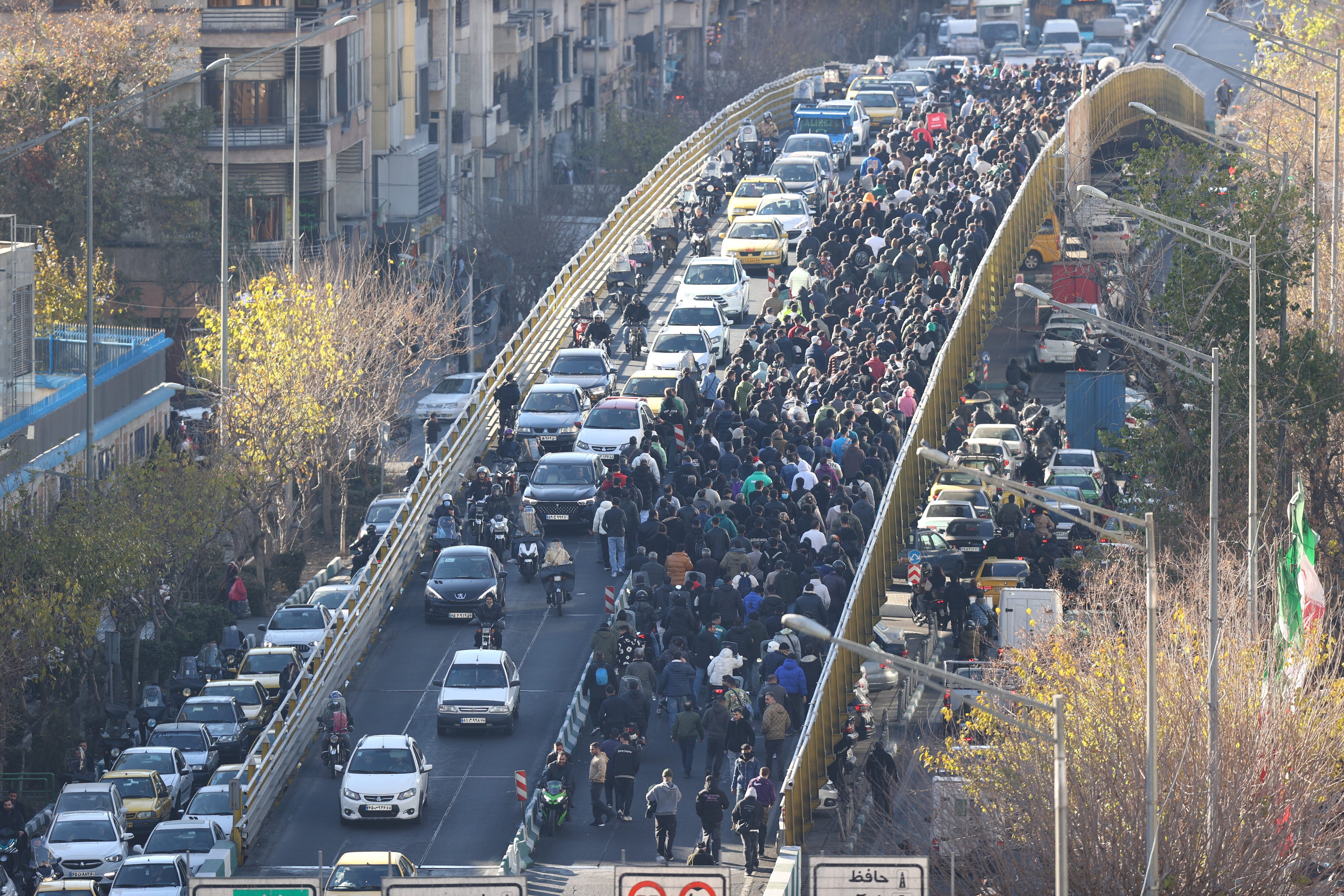
The severity of the Iran economic crisis explained in recent reports reveals a dire situation for ordinary citizens. The government’s recent measure to pay the equivalent of $7 a month as a subsidy to offset rising costs for essentials like rice, meat, and pasta is a testament to the inflationary pressures gripping the country. However, shopkeepers anticipate that prices for basic goods, including cooking oil, could triple due to the collapse of the Iranian rial currency and the cessation of a preferential subsidized dollar-rial exchange rate, inevitably fueling further popular anger.
What is the current state of Iran’s economy? The Iranian economy is in a full-fledged crisis, marked by severe inflation, a rapidly depreciating currency, and the impact of international sanctions. Despite government subsidies, the cost of basic goods is soaring, leading to widespread public discontent and protests across the nation.
In significant Major General Amir Hatami news, the army chief’s appointment to lead the Artesh came after a period of intense regional conflict, specifically following Israel’s actions against top Iranian military commanders. His declaration that “the Islamic Republic considers the intensification of such rhetoric against the Iranian nation as a threat and will not leave its continuation without a response” signifies a hardening stance. He confidently asserted that Iran’s armed forces are now far more prepared, warning of a decisive response should any adversary “commit an error.”
While official Iran vs US military strength comparisons often highlight technological disparities, Hatami’s remarks emphasize Iran’s perceived readiness and resolve. This rhetoric gains additional weight following recent U.S. military actions in other regions, which Tehran views as a direct challenge to its allies and a precursor to potential aggression. The leadership’s consistent messaging, including from Supreme Leader Ayatollah Ali Khamenei, reflects a unified front against what they describe as foreign interference and threats to national sovereignty.
For anyone seeking an Iran sanctions guide for beginners, it is crucial to understand that these international restrictions have profoundly impacted the nation’s ability to trade and finance, exacerbating its internal economic woes. Iran’s vice president for executive affairs explicitly called the situation a “full-fledged economic war,” advocating for “economic surgery” to eradicate systemic corruption and rentier policies that further burden the populace. This candid admission underscores the depth of the challenges faced by the government.
The Iran protests latest update indicates that demonstrations have reached over 280 locations across 27 of Iran’s 31 provinces, showing no signs of abating. Human Rights Activists News Agency reports a tragic death toll, including protesters, children, and security forces, highlighting the violent nature of the confrontations. These widespread and persistent protests represent a significant and ongoing challenge to the regime’s legitimacy and control, mirroring previous periods of unrest in recent years.
Looking ahead, the Iran economic outlook 2026 appears fraught with uncertainty. Without significant policy shifts or a de-escalation of international tensions, the pressures on the rial and the cost of living are likely to persist. The current challenges necessitate a proactive approach to both internal governance and foreign relations if the nation hopes to stabilize its economy and quell widespread public discontent. The path forward requires careful navigation of both domestic dissent and external pressures.
For those studying a Middle East geopolitical guide 2026, Iran’s current state serves as a critical case study of a nation under immense pressure. The interplay of internal dissent, economic hardship, and external threats creates a volatile environment. The decisions made by Tehran in the coming months will not only shape its own destiny but also significantly impact regional stability, making careful observation of these developments paramount for international observers.
In conclusion, Iran is at a critical juncture, facing formidable internal dissent driven by economic hardship and the explicit threat of external military intervention. The government’s attempts to alleviate economic pain through subsidies have yet to quell the widespread protests, while its military leadership issues strong warnings against perceived foreign aggression. These multifaceted Iran tensions underscore a period of profound instability and uncertainty for the Islamic Republic, demanding careful attention from global audiences.