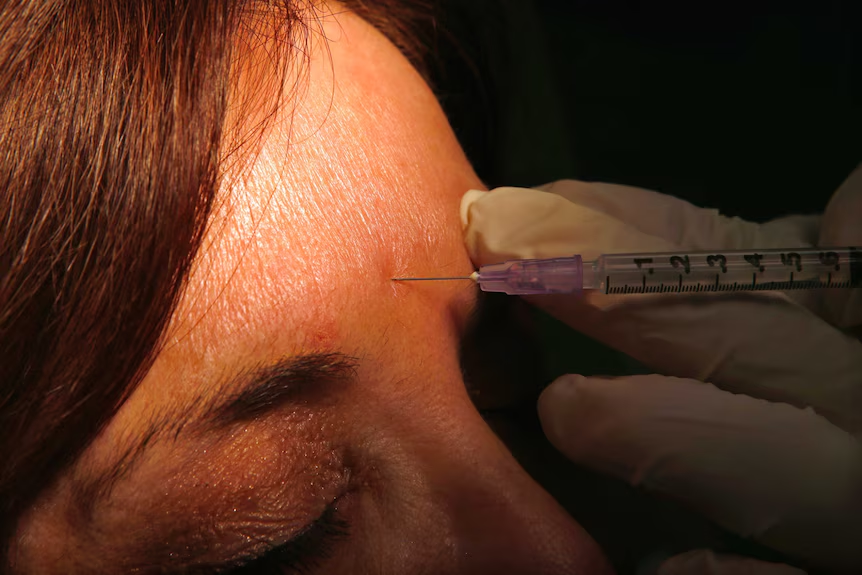
A recent significant case in Queensland has brought the critical issue of cosmetic injectables patient safety into sharp focus. A nurse was banned from practice for at least two years after administering Botox without proper doctor consultation or a valid prescription, highlighting the severe consequences of regulatory breaches. This incident, uncovered by an investigation from the Australian Health Practitioner Regulation Agency (AHPRA), underscores the paramount importance of stringent oversight and adherence to guidelines within the rapidly expanding cosmetic injectables industry. For anyone considering or involved in cosmetic treatments, understanding the regulatory landscape and prioritizing patient well-being is non-negotiable.
Thia Jayne Sullivan, the nurse in question, was found to have created false records related to cosmetic treatments and provided misleading information to AHPRA investigators on multiple occasions. Her misconduct extended to continuing practice while suspended and administering restricted drugs without endorsement, demonstrating a profound disregard for professional standards and the well-being of her patients.
This case, meticulously detailed by the Queensland Civil and Administrative Tribunal (QCAT), revealed how initial conditions placed on Sullivan’s practice were breached, leading to her suspension. Such actions necessitate a clear understanding of what are cosmetic injectables regulations and why they are so vital to public health and safety.
What are cosmetic injectables regulations? Cosmetic injectables regulations are a set of national guidelines designed to protect patients undergoing non-surgical cosmetic treatments like Botox and fillers. These rules ensure practitioners have adequate training, require valid prescriptions, and prohibit misleading advertising, emphasizing patient safety above all.
The tribunal further heard allegations that Sullivan attempted to discourage patients from cooperating with police investigations, adding another layer of severity to her professional misconduct. This pattern of behavior reinforces the urgent need for patients to know how to choose a safe cosmetic injector and verify their credentials before undergoing any procedure.
QCAT’s decision to cancel Sullivan’s registration until September 2027 serves as a powerful deterrent. The tribunal emphasized that such disregard for professional obligations is unacceptable and will have severe consequences, sending a clear message across the industry about the importance of compliance and ethical practice. It highlights why do cosmetic nurses get banned when they fail to uphold their professional duties.
In response to such incidents, AHPRA introduced tough new national guidelines last September, aiming to clean up the cosmetic injectables sector. These updates require many practitioners to undertake additional training and tighten rules around advertising, banning the use of testimonials from social media influencers and mandating real images. This AHPRA guidelines update is crucial for enhancing patient protection.
For those seeking cosmetic treatments, the Nursing and Midwifery Board of Australia chair, Veronica Casey, advises checking the AHPRA registry of practitioners. This simple step can confirm a practitioner’s registration status and any conditions, directly addressing the question of how to choose a safe cosmetic injector by empowering patients with vital information.
The qualifications and oversight of practitioners are paramount. The distinction between a cosmetic nurse vs doctor for injectables often lies in their training, scope of practice, and the level of direct medical supervision required. While nurses play a crucial role, the necessity of a doctor’s consultation and prescription for restricted drugs like Botox cannot be overstated, ensuring a higher standard of care and adherence to best cosmetic injectables practices 2026.
As the industry evolves, the focus on patient welfare will only intensify. Future discussions will undoubtedly revolve around refining cosmetic injectables regulations Australia 2026 to anticipate new challenges and ensure continuous improvement. Adherence to a comprehensive cosmetic injectables patient safety guide will remain the cornerstone of responsible practice.
Ultimately, the recent ban serves as a stark reminder that cosmetic injectables patient safety must always be the highest priority. Regulatory bodies are committed to investigating and taking action against practitioners who fail to uphold professional standards, ensuring a safer environment for all patients seeking cosmetic treatments.