


The dramatic capture and extradition of Venezuelan President Nicolás Maduro by the United States marked a significant escalation in global efforts against narco-terrorism and a bold move by the Trump administration. This detailed account will provide a comprehensive understanding of how the US military successfully executed a mission to apprehend Maduro, bringing him to face charges in American courts after several previous attempts. The operation, which culminated in a Saturday strike, had been meticulously planned, highlighting the unwavering resolve of US officials to address what they perceived as a direct threat to regional stability and international law.
For 13 years, Nicolás Maduro had held the reins of power in Venezuela, a tenure marked by increasing political turmoil, economic collapse, and allegations of illicit activities. The US had long viewed Maduro’s regime as illegitimate and a state sponsor of narco-terrorism, leading to a build-up of pressure and a series of covert operations aimed at his apprehension. Understanding the historical context of US-Venezuela relations is crucial to grasp the gravity of this unprecedented military action.
Prior to the successful Saturday operation, the United States had made multiple attempts to capture the Venezuelan leader. According to reports from Trump administration officials familiar with the operation, two earlier efforts were hampered by adverse weather conditions. One such attempt was reportedly planned for Christmas Day, and another on New Year’s Day, underscoring the persistence and long-term commitment of the US to its objective. These failed attempts only served to refine the strategy and intensify the resolve of the military and political leadership.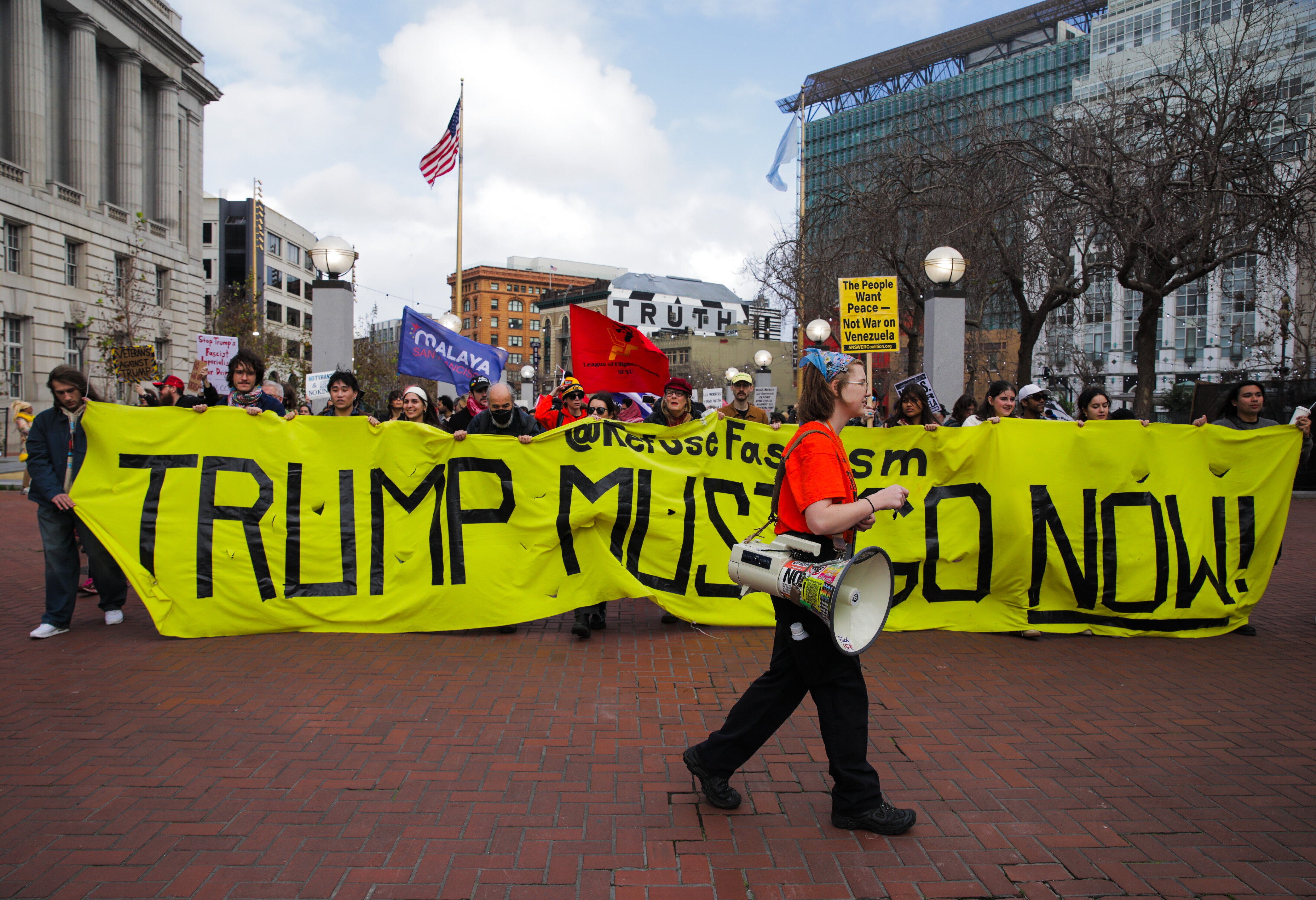
The decisive strike on Saturday unfolded after President Donald Trump deferred to the Pentagon for the optimal timing. The green light was given at 10:46 p.m. Friday, setting in motion a complex and high-stakes mission. From a makeshift secure facility at Mar-a-Lago, Trump reportedly told military leaders, “Good luck and godspeed,” as he watched the mission unfold. Surrounded by top aides, he received constant updates as 150 warplanes descended upon Caracas, the Venezuelan capital, ultimately leading to forces entering Maduro’s bedroom.
Images later released by the Trump administration depicted officials closely monitoring social media platforms for any mention of the word “Venezuela,” indicating the mission’s sensitivity and the desire to control the narrative. The overnight operation left Venezuela in disarray, with initial reports from officials indicating casualties from explosions that rocked Caracas early Saturday. While the exact number of fatalities remained unclear, Trump confirmed that no US service members were harmed during the audacious mission.
What is narco-terrorism? Narco-terrorism refers to the financing of terrorist activities by revenues derived from drug trafficking. It also encompasses the direct participation of groups or individuals involved in drug trade in terrorist acts, often to destabilize governments or achieve political aims through violence and intimidation. This legal definition formed the bedrock of the charges brought against Maduro.
Following the capture of Maduro and his wife, Cilia Flores, they were swiftly removed from Venezuela. American officials confirmed that the pair would face severe charges, including narco-terrorism conspiracy, in US courts. Their journey culminated late Saturday afternoon at a small airport in New York, followed by a helicopter transfer to Manhattan, where an armored vehicle transported Maduro to a nearby U.S. Drug Enforcement Administration office, marking the end of his rule and the beginning of his legal battle.
In the aftermath, Trump declared that the US would “run” the South American country, intending to tap into its vast oil reserves for sale to other nations. This assertion underscored the broader geopolitical and economic motivations behind the operation, extending beyond the immediate goal of apprehending Maduro. The attack followed months of escalating pressure from the Trump administration, which had deployed naval forces in South American waters since early September, conducting deadly strikes on alleged drug-smuggling vessels in the region.
U.S. Attorney General Pam Bondi publicly announced that both Maduro and Flores had been indicted in the Southern District of New York, vowing that they would “soon face the full wrath of American justice on American soil in American courts.” Maduro faced charges including “Narco-Terrorism Conspiracy, Cocaine Importation Conspiracy, Possession of Machineguns and Destructive Devices, and Conspiracy to Possess Machineguns and Destructive Devices against the United States.” While Maduro’s indictment dated back to March 2020 during Trump’s first term, the indictment against Flores had previously been kept confidential.
The international community reacted with a mix of condemnation and welcome. While several world leaders and major US politicians criticized the legality of an operation carried out without explicit congressional approval, many others expressed relief at the perceived end of the Maduro regime. The Madura capture explained a shift in US foreign policy regarding Latin America, prioritizing direct action over traditional diplomatic channels in certain circumstances. The debate over whether such actions set a dangerous precedent continues to resonate.
Looking ahead, the Venezuela political forecast 2026 remains uncertain, heavily influenced by the aftermath of Maduro’s capture and the subsequent US involvement. The events have undoubtedly reshaped the political landscape, potentially leading to new leadership, but also raising questions about national sovereignty and international law. Similarly, global drug trafficking trends 2026 will likely reflect the impact of such high-profile operations against alleged state-backed narco-terrorist networks, signaling a renewed international focus on combating these illicit activities.
Ultimately, the successful operation to apprehend Nicolás Maduro represents a pivotal moment in US foreign policy and international justice. It underscores the complexities of geopolitical power dynamics and the relentless pursuit of individuals accused of narco-terrorism charges explained within the framework of US law. The Madura capture explained not just a military victory, but a bold statement about accountability on the global stage, with ramifications that will continue to unfold for years to come. The legal proceedings and the future of Venezuela will be closely watched, shaping the narrative of this historic event.









