

Analyzing the Geopolitical Landscape: Trump, Macron, and the Ukraine Conflict
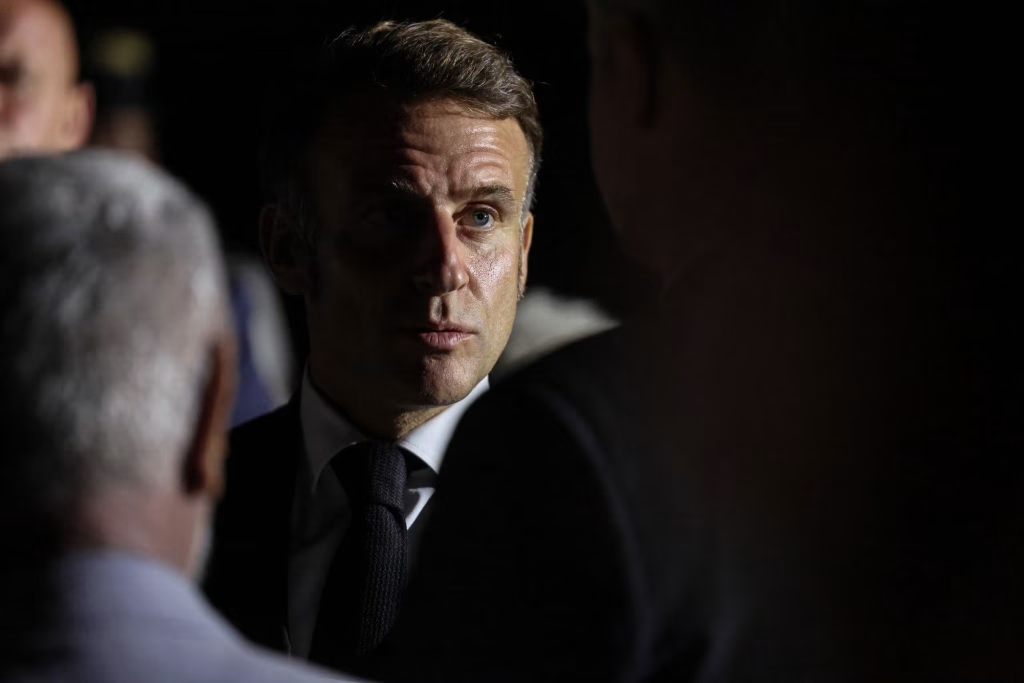
The recent leak of a conference call among European leaders, spotlighting Emmanuel Macron’s apprehension about Donald Trump’s potential dealings with Ukraine, is more than just a diplomatic hiccup. It exposes a deep-seated tension that’s been brewing beneath the surface of transatlantic relations. We’re witnessing a clash of ideologies and strategic priorities, with Ukraine caught in the middle.
Macron’s warning that Trump might “betray” Ukraine by pushing for territorial concessions without solid security guarantees is a significant claim. It suggests a lack of trust in the U.S. negotiating strategy, particularly with figures like Steve Witkoff and Jared Kushner at the forefront. This isn’t just about Ukraine; it’s about the broader European security architecture and who gets to shape it.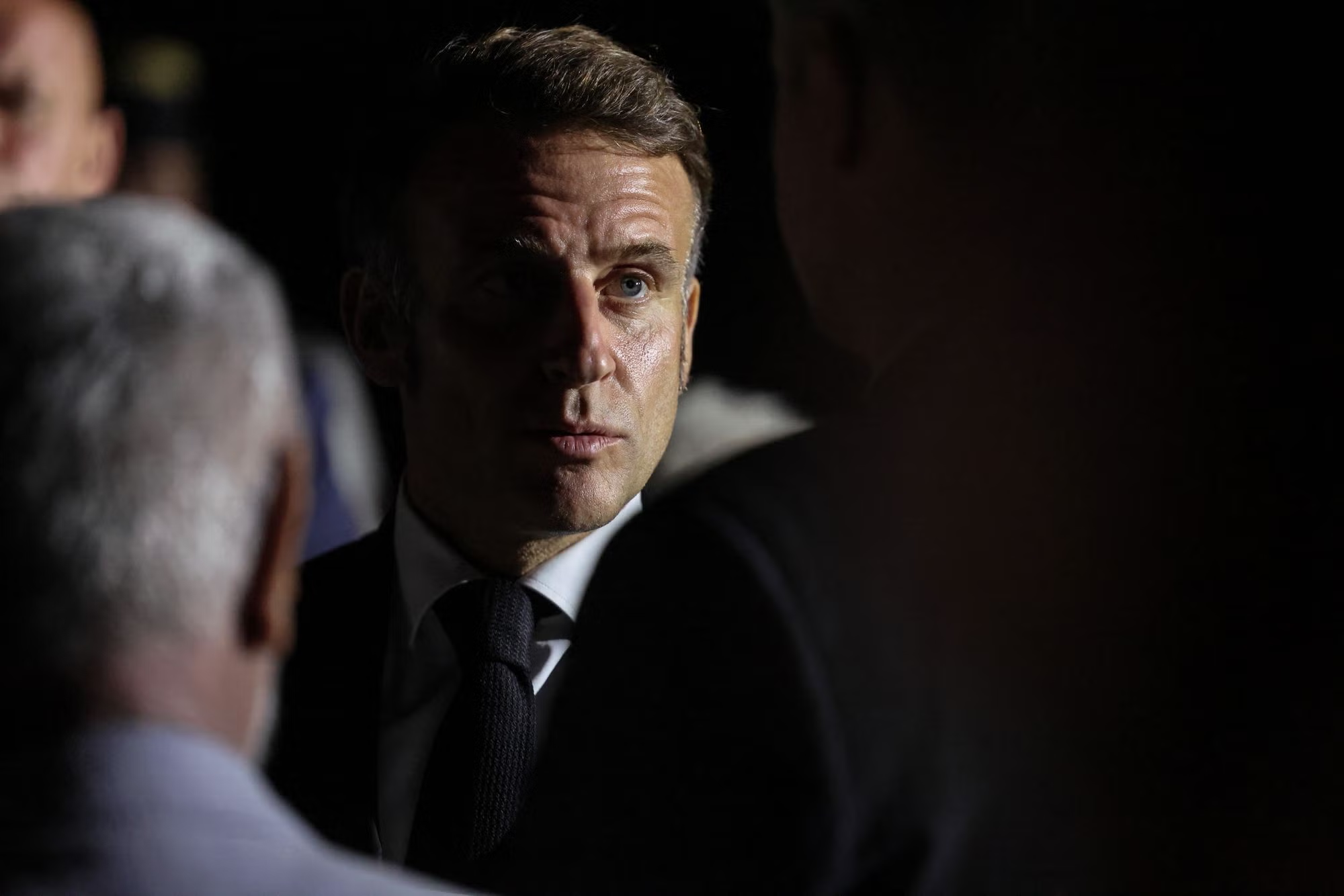 >
>
The crux of the matter seems to be that Europe fears a hasty, U.S.-brokered peace deal might not adequately safeguard Ukraine’s interests or prevent future Russian aggression. The proposed 28-point plan, demanding territorial and military concessions from Ukraine, understandably caused consternation. It’s a reminder that “peace” can mean different things to different actors, and sometimes, it’s a euphemism for capitulation.
What’s particularly noteworthy is the unified front presented by other European leaders on the call. From Chancellor Merz’s caution to Zelensky to President Stubb’s plea to not “leave Ukraine and Volodymyr alone with these guys,” the sentiment is clear: skepticism towards Trump’s team and a desire for a coordinated approach. Nato secretary general Mark Rutte concurred, saying: “I agree with Alexander – we must protect Volodymyr.”
The engagement between Witkoff, Kushner, and Putin further complicates the picture. Putin calling the talks “necessary” and “useful,” but also “difficult work,” with some proposals “unacceptable,” is classic Kremlin speak. It signals a willingness to engage, but on Moscow’s terms. These discussions could either pave the way for a real resolution or become another tool for Putin to exploit divisions and prolong the conflict. >
>
From what’s available, Witkoff and Kushner will meet with Ukraine’s lead negotiator, Rustem Umerov, in Miami. President Trump said Mr Witkoff and Mr Kushner’s impression was “very strongly that [Putin would] like to make a deal”.
The issue of frozen Russian assets adds another layer of complexity. Europe’s proposal to use these funds to finance Ukraine’s war is a bold move, but one that risks escalating tensions further. Medvedev’s threat that this would be “tantamount to a casus belli” should not be dismissed. While it might be dismissed by some as sabre-rattling, it reflects Russia’s determination to protect its financial interests and its willingness to use force to do so.
It’s worth watching whether European leaders can maintain a united front amidst these pressures. Meloni’s opposition to a face-to-face meeting with US envoys, contrasted with Stubb’s enthusiasm, reveals a subtle divide. Whether these differences can be bridged will determine Europe’s ability to influence the trajectory of the conflict.
Moreover, the decision to exclude European leaders from a direct meeting with Witkoff after his Moscow trip speaks volumes. It suggests a deliberate attempt by the U.S. to bypass European input, reinforcing the perception of a unilateral approach.
There’s a familiar pattern emerging here. The U.S., under Trump, is positioning itself as the dealmaker, while Europe worries about the long-term consequences of those deals. This isn’t a new dynamic, but the stakes are higher than ever. Ukraine’s fate, and the future of European security, hang in the balance.
Ultimately, the success of any peace negotiation will depend on whether all parties can find common ground that addresses the underlying security concerns of Ukraine, Russia, and Europe. A rushed deal driven by political expediency risks creating a fragile peace that could easily unravel, leaving the region even more unstable. It’s up to Ukraine’s allies to ensure that any settlement reached truly reflects the will of the Ukrainian people and guarantees their long-term security.
These are observations based on a long history of watching international politics play out. Macron’s leaked comments aren’t just gossip; they offer a window into the anxieties of a continent grappling with a shifting global power dynamic and the unpredictable nature of international diplomacy.

![[post_title]](https://samony.com.ng/wp-content/uploads/2025/12/VIO-Takes-Step-After-Appeal-Court-Ban-On-Impounding-Vehicles.webp.webp "They Banned Impounding Cars?! What Happens Now Is Actually Pretty Smart")
![[post_title]](https://samony.com.ng/wp-content/uploads/2025/12/How-to-watch-todays-Toronto-Raptors-vs-Los-Angeles-Lakers-300x169.jpg?lm=693253BE "Raptors Host Lakers: Key Matchups, Injuries, and Game Analysis")
![[post_title]](https://samony.com.ng/wp-content/uploads/2025/12/Nvidia-boss-Jensen-Huang-steers-Trump-Congress-against-AI-chip-300x169.jpg?lm=69324AE7 "Nvidia’s AI Power Play: Did Jensen Just Sway US Policy?")

![[post_title]](https://samony.com.ng/wp-content/uploads/2025/12/Blue-Jays-Election-top-Googles-Canadian-2025-Year-in-Search.jpg?lm=69326761 "Canada’s 2025 in Google Search: Blue Jays, Elections, and Global Concerns")
![[post_title]](https://samony.com.ng/wp-content/uploads/2025/12/How-to-watch-todays-Toronto-Raptors-vs-Los-Angeles-Lakers-1024x576.jpg?lm=693253BE "Raptors Host Lakers: Key Matchups, Injuries, and Game Analysis")
