


Emmanuel Macron has directly labeled Donald Trump a “bully” as European leaders prepare a united front against the US president’s aggressive demands, particularly concerning Greenland. This strong condemnation comes as Trump escalates his threats of tariffs against allies who resist his proposals, even revealing private communications from world leaders. Macron asserted that the European Union should not yield to the “law of the strongest” and must resist what he described as a “new colonial approach.” The French president’s stance sets the stage for a critical confrontation as Trump prepares to address global leaders at the World Economic Forum in Davos.
At a press conference, Macron emphasized a preference for “respect over bullies” and “the rule of law over brutality,” directly contrasting these values with Trump’s perceived tactics. This diplomatic friction highlights a significant strain on the relationship between the US and its traditional European allies, a situation exacerbated by Trump’s recent comments regarding the UK’s plan to return the Chagos Islands to Mauritius. His criticism of this sovereign decision, despite previously welcoming it, underscores a pattern of unpredictable foreign policy.
Featured snippet paragraph: What is the core issue regarding Greenland? The core issue is Donald Trump’s demand to purchase Greenland, a Danish sovereign territory, and his threat of imposing tariffs on allies who oppose this acquisition, which has been met with strong resistance from European leaders.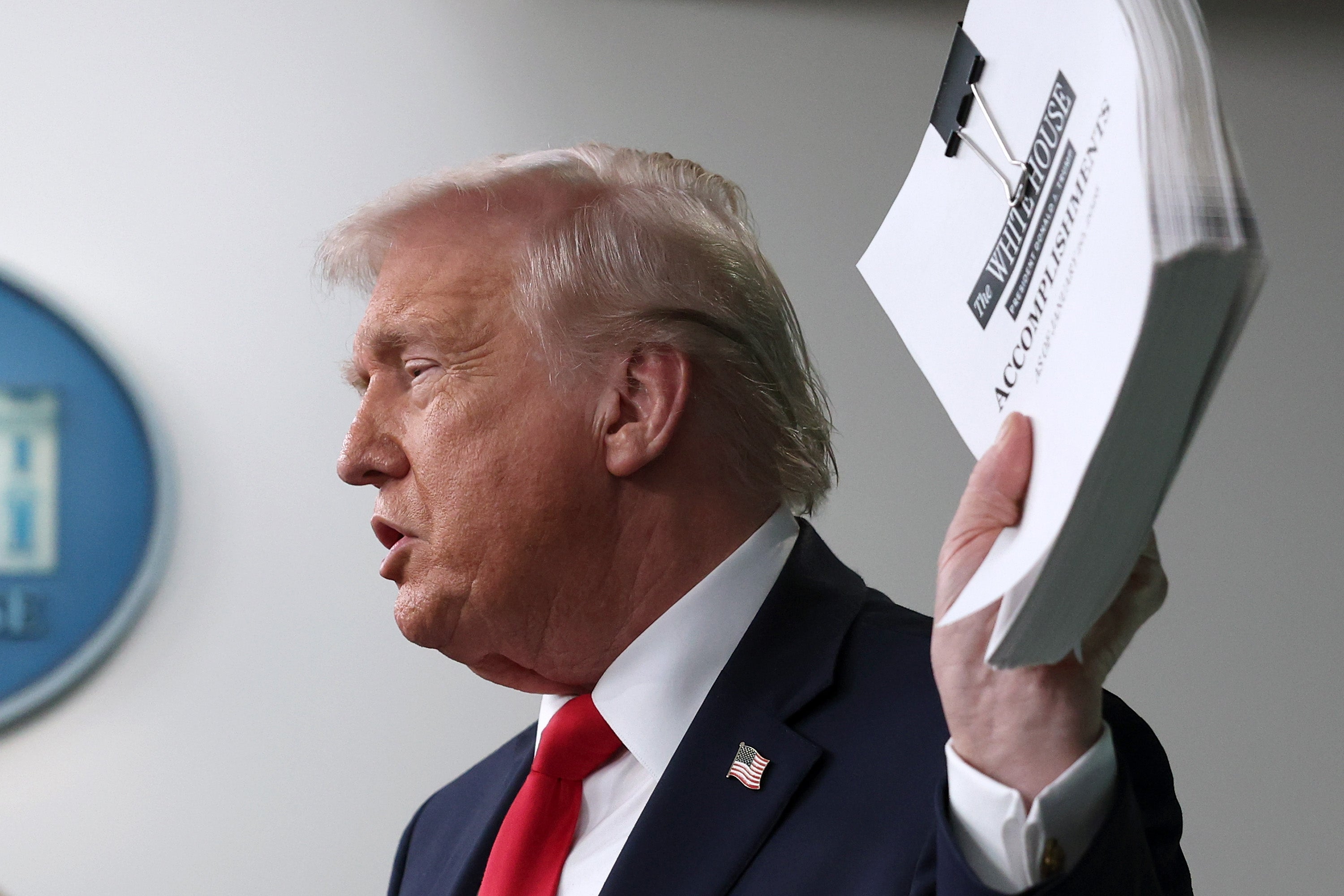
Trump, in a lengthy address, also questioned the commitment of NATO allies to mutual defense, despite his claims of having significantly strengthened the alliance. He expressed concern that while the US would defend its allies, he doubted their reciprocal commitment. This sentiment has led to warnings from former NATO officials, including Anders Rasmussen, that Trump’s actions could lead to the collapse of the alliance, fundamentally altering the landscape of Western security.
Sir Keir Starmer’s efforts to position the UK as a mediator between the US and Europe have been challenged by Trump’s sharp criticism of the UK’s decision on the Chagos Islands. While a close aide to the UK prime minister insisted that their approach was yielding results, they acknowledged the unusual nature of the geopolitical discussions.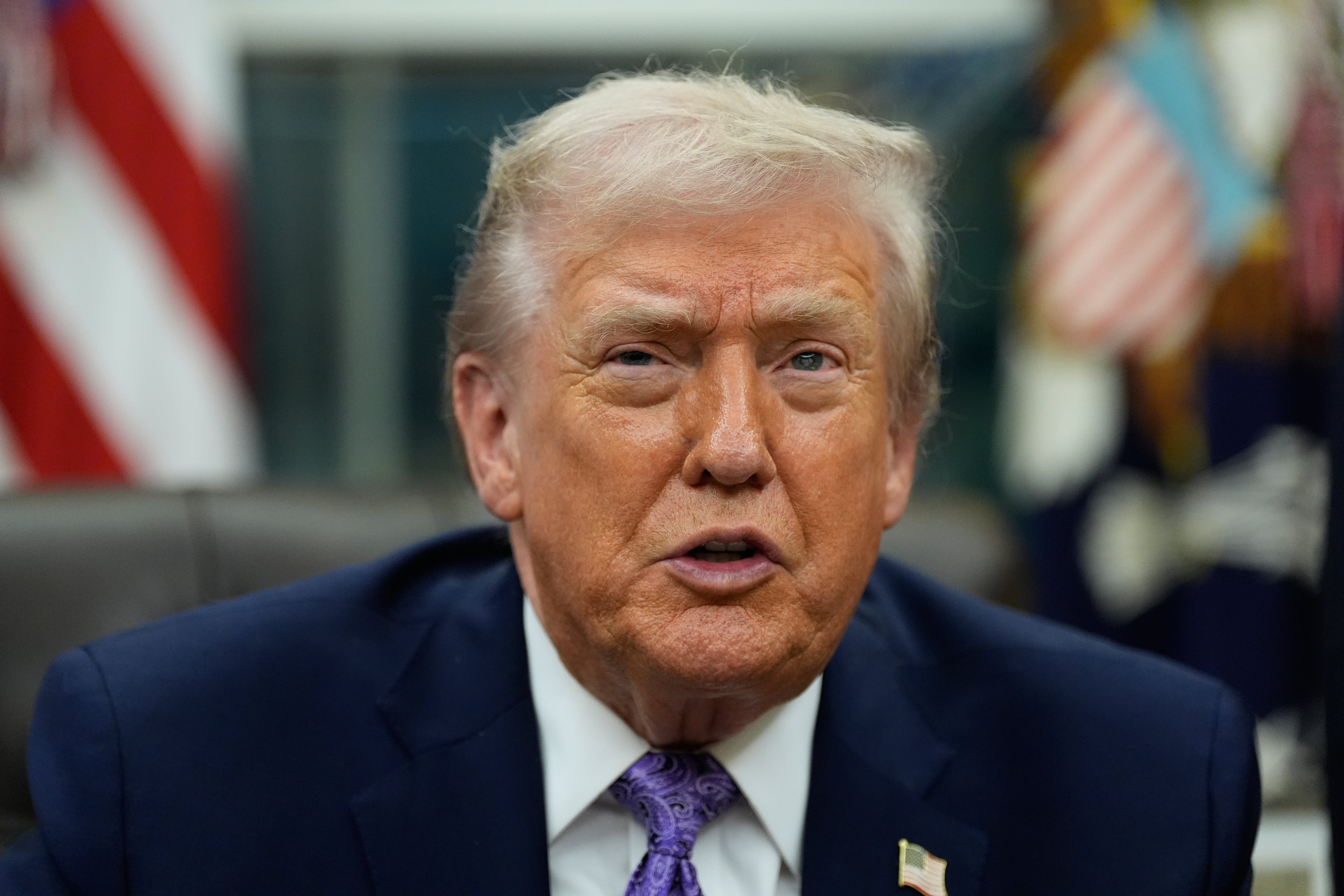
The escalating tensions have prompted EU leaders to signal their readiness to deploy robust economic countermeasures. Macron urged the bloc to utilize its “big bazooka” of economic responses, emphasizing the importance of the “anti-coercion mechanism” in the current challenging global environment.
Ursula von der Leyen, President of the European Commission, echoed this sentiment in her WEF speech, vowing an “unflinching, united and proportional” response from the EU. She stressed the expectation that agreements made between allies should be honored, a clear rebuke to Trump’s transactional approach to international relations.-meeting-in-Davos-2qfym24z.jpeg)
Despite the diplomatic fallout, members of the Trump administration present at Davos remained unapologetic. Commerce Secretary Howard Lutnick, in a panel discussion with UK Chancellor Rachel Reeves, argued that “globalization has failed the West,” promoting an “America First” narrative. However, he later attempted to reassure European allies of US support, though the exchange was notably frosty.
California Governor Gavin Newsom has publicly urged European leaders to “stop the bull” and “stand up to Trump,” aligning with the growing sentiment for a firm response.
French Foreign Minister Jean-Noel Barrot indicated that France supports the suspension of the EU-US trade deal, viewing Trump’s tariff threats as “blackmail.” He highlighted the European Commission’s potent instruments for countering such pressures.
Kaja Kallas, the EU’s foreign policy chief, reiterated the bloc’s resolve on Greenland, emphasizing that the threatened tariffs would harm both the EU and the US. She pointed to Greenland’s increasing geostrategic importance and NATO’s suitability for ensuring its security.
Meanwhile, senior Republicans, including House Speaker Mike Johnson, have been working to de-escalate tensions. Johnson, visiting London, stated his mission was to “help calm the waters” and assured UK lawmakers that the US and UK would work through differences as friends, a sentiment he conveyed to President Trump in a recent conversation.
This diplomatic standoff underscores a broader debate about the future of international cooperation and the role of strong leadership in navigating complex global challenges. The response from European leaders to Trump’s “bullying” tactics will likely shape transatlantic relations for the foreseeable future.






