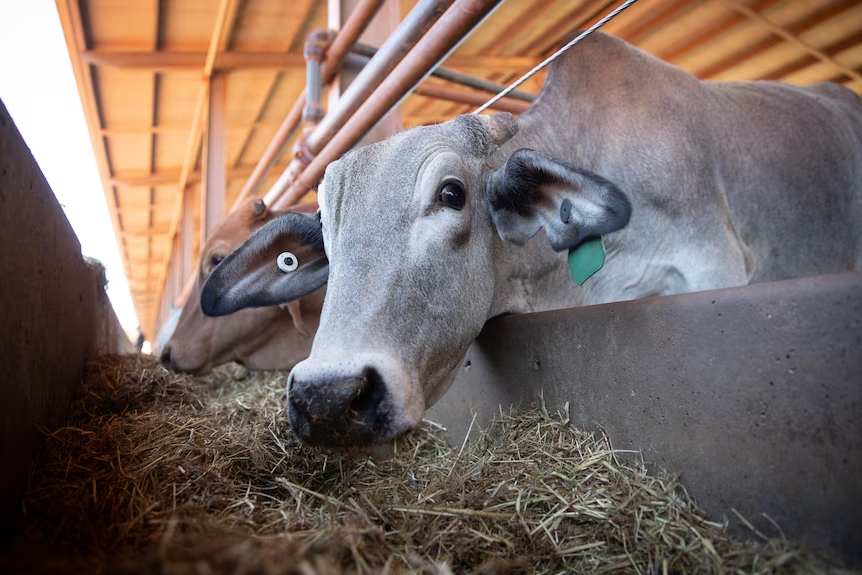
The Australian cattle industry is maintaining a state of alert, though not alarm, as lumpy skin disease (LSD) has reached Bali, an island popular with tourists and a key destination for Australians. This viral disease, primarily affecting cattle and buffalo and spread by insects, was first identified in Indonesia in 2022 and has since spread across the archipelago. Australia remains free of LSD, and a local outbreak would carry significant biosecurity and financial repercussions, potentially costing billions of dollars.
The detection of LSD in Bali, while not entirely unexpected by the cattle sector, is being monitored closely. The Australian government has confirmed cases in the region, prompting a cautious but measured response from industry leaders. While the disease poses no risk to human health, its proximity to Australia necessitates vigilance.
Featured snippet paragraph: What is lumpy skin disease and how is it spread? Lumpy skin disease is a viral illness primarily affecting cattle and buffalo, characterized by the development of nodules on the skin. It is primarily spread through insect vectors like mosquitoes and biting flies, and can also be transmitted through direct contact with infected animals.
Northern Territory Cattlemen’s Association chief executive Romy Carey emphasized that despite the development in Bali, there are no immediate financial impacts on trade or existing protocols. The industry’s focus remains on preparedness and maintaining stringent biosecurity measures. Producers seeking to review their biosecurity programs are encouraged to contact the NTCA for support.
Dr. Rob Williams, Northern Territory chief veterinary officer, described LSD as a serious threat to the cattle industry. However, he noted that an outbreak in Australia is currently considered unlikely due to the sector’s advanced preparedness, including plans for a swift vaccine rollout. The existing biosecurity rules for tourists returning from Bali are deemed sufficient, as the disease is typically introduced through the movement of infected animals.
“My team in the livestock biosecurity area, part of the Department of Agriculture and Fisheries, is always focused on preparedness activities for emergency animal diseases,” Dr. Williams stated. “We’ve been looking at our early warning systems, surveillance in our cattle populations, and particularly preparing with vaccinations.”
He further explained that in the unlikely event of an LSD outbreak in Australia, vaccination would be a critical component of the response strategy. This proactive approach underscores the industry’s commitment to safeguarding animal health and economic stability.
The presence of LSD in Bali serves as a crucial reminder of the importance of robust biosecurity practices. These measures are vital not only for preventing LSD but also for mitigating the risk of other serious livestock diseases, such as foot and mouth disease.
“The industry practice is that if you’ve been to a place, particularly with foot and mouth disease … you should not come into contact with livestock for seven days,” Dr. Williams advised. “We ask you to stay off pastoral properties, do not come into contact with cattle. It’s a very conservative measure, but it’s an important measure.”
A spokesperson for the federal Department of Agriculture, Fisheries and Forestry confirmed ongoing communication with Indonesian counterparts to gain a comprehensive understanding of the situation in Bali. Australia’s rigorous biosecurity framework is designed to minimize the risk of an LSD outbreak.
“The Australian government will never compromise on biosecurity,” the spokesperson asserted. “Our biosecurity system is world-renowned, and vital in protecting our rural communities, our $100 billion agricultural industries, our economy and our way of life.”
This layered approach, combining industry vigilance, government cooperation, and public awareness, is essential in managing potential biosecurity threats. The focus remains on prevention and preparedness to ensure the continued health and prosperity of the Australian cattle sector.
The ongoing monitoring of lumpy skin disease in neighboring regions highlights the dynamic nature of biosecurity challenges and the need for continuous adaptation and investment in protective measures. The industry’s proactive stance is a testament to its resilience and commitment to long-term sustainability.
The potential economic impact of lumpy skin disease on the Australian cattle industry is substantial, making the current alert a necessary precaution. The swift action and clear communication from authorities and industry bodies are crucial for maintaining confidence and ensuring effective disease management strategies.