

![[post_title]](https://samony.com.ng/wp-content/uploads/2025/12/1764557757_Paul-Doyle-changed-Liverpool-parade-crash-plea-at-last-minute-1024x538.jpg?lm=692D03BE)
Analyzing Paul Doyle’s Plea Change in Liverpool Parade Crash: More Than Meets the Eye?
The case of Paul Doyle, the driver who plowed into crowds celebrating Liverpool’s trophy parade, took a sharp turn recently. Initially pleading not guilty to 31 charges related to the horrifying incident that injured over a hundred people, Doyle dramatically changed his plea to guilty on all counts. This sudden shift invites scrutiny. What prompted this reversal, and what might it portend?
It’s worth noting, first, the sheer scale of the tragedy. The images and accounts from that day paint a scene of chaos and terror. People, including children, suffered significant injuries when Doyle’s vehicle careened through the crowd. This backdrop of widespread harm undoubtedly influences the legal proceedings and public perception.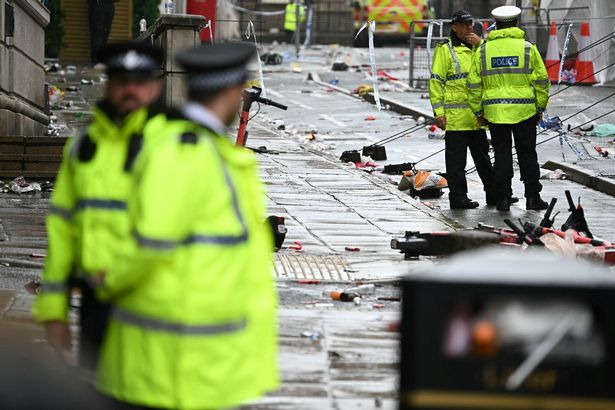 >
>
Initially, Doyle denied responsibility. This could have stemmed from several factors. Perhaps he genuinely believed he wasn’t culpable to the extent alleged. Maybe he hoped to lessen his sentence by contesting the charges. Legal strategy can be intricate, often prioritizing the defendant’s best possible outcome, irrespective of guilt.
Yet, something changed. Last week, Doyle admitted his guilt, a move that surprised many. One must consider what propelled this change of heart. Was it mounting legal pressure, with his defense team advising him the evidence was insurmountable? Or perhaps a growing sense of remorse, finally compelling him to accept accountability for the pain he unleashed?
The Daily Star consulted with a criminology expert, Alex Izatt, who proposed some interesting angles. She suggested Doyle’s military past, specifically potential PTSD stemming from his time as a Royal Marine, might have played a part. PTSD can, undeniably, impair judgment and heighten impulsivity. If Doyle was experiencing a flashback or severe anxiety at the time of the incident, it could offer some explanation, though certainly not justification, for his actions.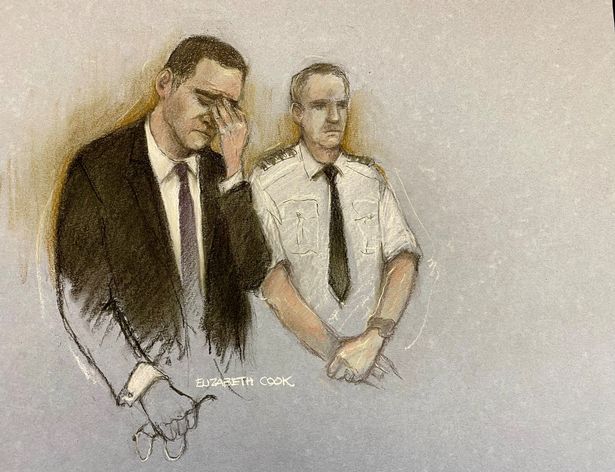 >
>
Still, skepticism is warranted. Presenting PTSD as a mitigating factor could be a calculated move to soften the sentence. While a judge will consider any evidence of mental health issues, the severity of the injuries and the number of victims will weigh heavily.
Izatt also touched on the practicalities. Serious charges like these necessitate a formal plea in court, not remotely or in writing. So, while discussions and negotiations might have occurred earlier, the official change could only take place when it did.
To that end, Doyle’s courtroom demeanor – his sobbing and apparent remorse – needs careful assessment. Are these genuine expressions of regret? Or are they, as Izatt posited, a strategic performance designed to elicit leniency from the judge? Seasoned observers of the legal system have seen such tactics deployed before.
Given these facts, it’s impossible to ignore the potential for manipulation. However, it’s equally unfair to dismiss the possibility of authentic remorse. Human beings are complex. It’s conceivable Doyle struggled internally for months, grappling with the enormity of his actions before finally succumbing to the weight of his conscience.
This challenge of interpreting Doyle’s motives underscores the complexities inherent in criminal justice. Determining intent and assessing genuine remorse are never simple tasks. Judges must consider diverse factors – legal precedents, victim impact statements, defendant’s background, and expert opinions – to arrive at a just sentence.
In any case, the victims and their families deserve paramount consideration. Their lives were forever altered on that day. While Doyle’s plea might spare them the ordeal of a trial, it doesn’t erase the physical and emotional scars they carry. The sentencing must reflect the profound harm inflicted.
Ultimately, Doyle’s case highlights the fragile intersection of human behavior, legal accountability, and the long shadow of trauma. His actions had devastating repercussions, and the pursuit of justice demands a thorough and nuanced understanding of the forces at play. His sentencing in mid-December will be a closely watched event, a culmination of these interwoven narratives. The question of how the court balances justice with potential mitigating circumstances remains.

![[post_title]](https://samony.com.ng/wp-content/uploads/2025/12/1764555346_How-Solar-Flares-Could-Have-Corrupted-An-Airbus-Plane-300x169.jpg?lm=692CFA55 "Solar Flares Grounding Planes?! What This Airbus Recall Means for Your Next Flight")
![[post_title]](https://samony.com.ng/wp-content/uploads/2025/12/1764553942_Man-32-dies-in-M4-horror-crash-after-car-comes-300x158.jpg?lm=692CF4DA "M4 Crash: What the Headlines Missed—And Why It Matters Now")
![[post_title]](https://samony.com.ng/wp-content/uploads/2025/12/Is-Obidient-Movement-losing-steam-300x200.jpg?lm=692CF6C5 "Nigeria’s “Obidient” Experiment: From Passionate Uprising to Political Crossroads")
![[post_title]](https://samony.com.ng/wp-content/uploads/2025/12/1764552430_The-Samsung-Galaxy-ring-has-a-major-price-cut-in-300x200.png?lm=692CEEF2 "Smart Rings: Are They Worth the Hype (and the Price)?")

![[post_title]](https://samony.com.ng/wp-content/uploads/2025/12/1764552006_Trump-frees-New-York-private-equity-executive-who-defrauded-victims-300x200.jpeg?lm=692CED4A "Trump Commutation: Fraud, Finance, and Fading Justice")

![[post_title]](https://samony.com.ng/wp-content/uploads/2025/12/1764556117_Navy-Officer-Ahmed-Yerima-Weds-in-Kaduna-Amid-Earlier-FCT.webp.webp?lm=692CFD57 "Navy Officer Ahmed Yerima Weds in Kaduna Amid Earlier FCT Controversy")
![[post_title]](https://samony.com.ng/wp-content/uploads/2025/12/1764555346_How-Solar-Flares-Could-Have-Corrupted-An-Airbus-Plane-1024x576.jpg?lm=692CFA55 "Solar Flares Grounding Planes?! What This Airbus Recall Means for Your Next Flight")
![[post_title]](https://samony.com.ng/wp-content/uploads/2025/12/1764553942_Man-32-dies-in-M4-horror-crash-after-car-comes-1024x538.jpg?lm=692CF4DA "M4 Crash: What the Headlines Missed—And Why It Matters Now")
