

Lego and FIFA: A Brick-by-Brick Partnership, But Will it Score?
Lego, the beloved brick builder, is teaming up with FIFA, soccer’s global governing body, to launch a World Cup range, highlighted by a life-size Lego World Cup trophy. This isn’t just another toy; it’s a $200 replica of a sporting icon, available for pre-order now. A limit of three per customer suggests Lego anticipates high demand. But is this partnership a stroke of genius, or just another licensed product destined for the discount bin?
It’s worth acknowledging that Lego has been shrewdly diversifying its product lines for years. They have tapped into nostalgia, targeting adults with complex sets based on everything from Star Wars to architecture. They aren’t just for kids anymore. This FIFA collaboration feels like a continuation of that strategy, appealing to soccer fans, particularly adults, who grew up with Lego. This toy giant’s attempt makes perfect sense.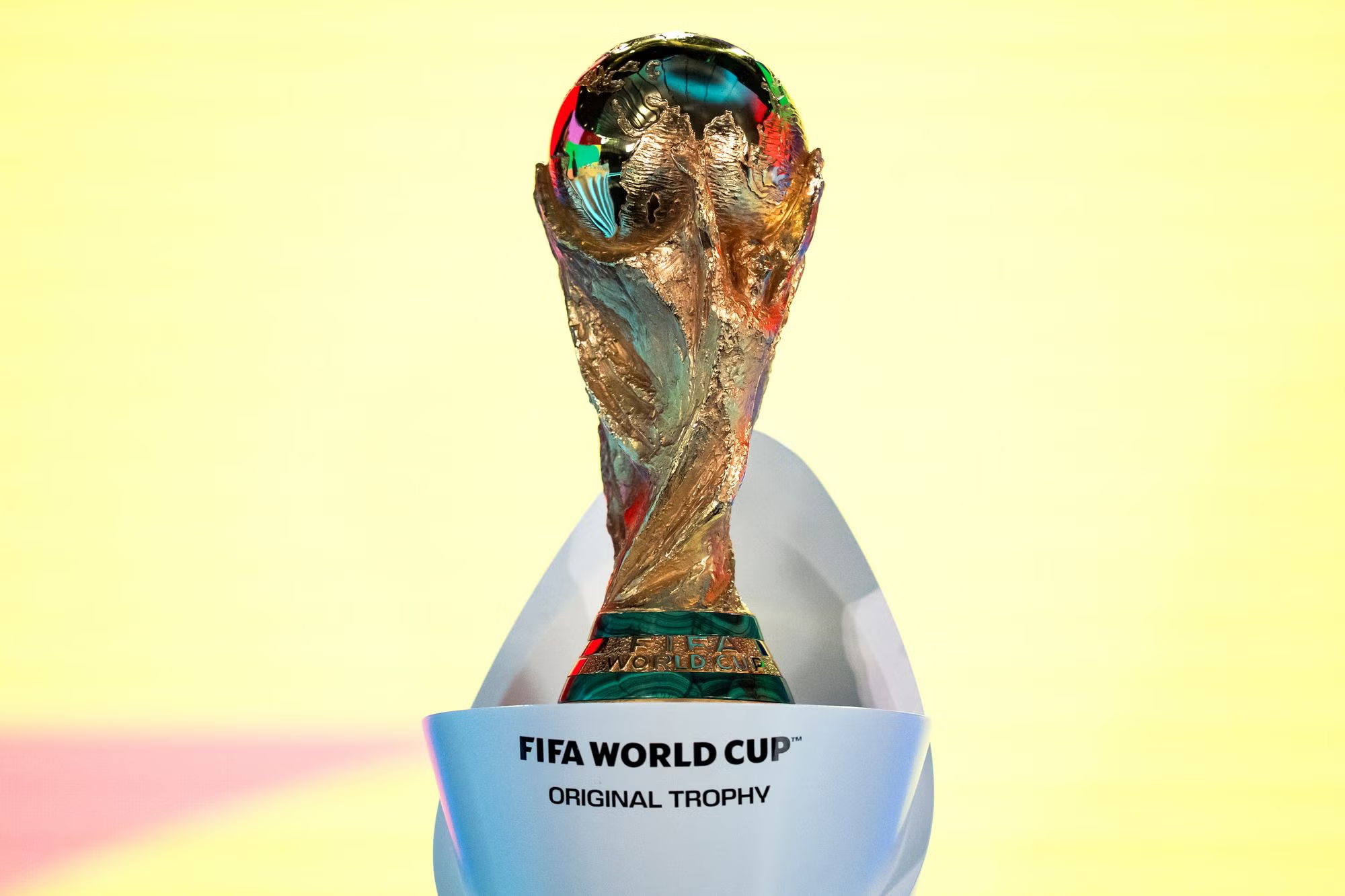 >
>
That said, the sports licensing market is a fickle beast. Just because people love Lego and love soccer doesn’t guarantee they’ll rush out to buy a Lego World Cup trophy. The product’s appeal relies heavily on the upcoming 2026 World Cup co-hosted by the US, Canada, and Mexico. If the tournament generates enough hype, this Lego set could see success.
The trophy itself, made of 2,842 Lego bricks, aims for a certain level of detail. It mirrors the original trophy’s height and includes a “hidden scene.” This signals that Lego is attempting to offer more than just a simple plastic model; they’re offering a collector’s item. It looks like they’re trying to get into the collector market.
Yet, the key lies in its target audience. Will hardcore soccer fans, many of whom already own jerseys, scarves, and other memorabilia, view this Lego trophy as a worthy addition to their collection? Or will they see it as a novelty item, lacking the gravitas of genuine sports memorabilia? This remains the big question.>
The Independent report points out that the actual World Cup trophy is solid gold and green malachite, weighing in at a hefty 13.6 pounds. The Lego version, naturally, is plastic and significantly lighter. This difference in material is an unavoidable compromise. It makes the set more affordable and accessible.
Given these facts, it will be interesting to observe the sales figures following the official launch in March. Pre-orders may be a good indicator of initial enthusiasm. Still, sustained success will require more than just initial buzz. It needs continued marketing, positive reviews, and, crucially, a successful World Cup tournament in 2026.
The 2026 World Cup is a significant event. The expanded format, with 48 teams, introduces new complexities. The draw itself, dividing the teams into 12 groups, is a major logistical undertaking. Lego’s timing is shrewd. The anticipation surrounding the tournament will undoubtedly impact sales.
Now, what about the broader implications of this partnership? FIFA has a history of controversial decisions and allegations of corruption. Associating with FIFA, even through a seemingly innocent product like a Lego set, carries a certain reputational risk. Lego is walking a tightrope, balancing the potential benefits of reaching a wider audience with the possible backlash from those critical of FIFA’s track record.
It’s worth noting that Lego’s decision to partner with FIFA probably went through extensive internal discussions. They’re unlikely to be ignorant of FIFA’s reputation. Their decision likely hinged on their assessment that the benefits outweigh the risks.
This collaboration also underscores a broader trend: the convergence of toys, sports, and entertainment. Companies are realizing the power of cross-promotion and licensing agreements. The hope is that a wider audience will be reached. Kids, adults, sports fans, and collectors are the target market.
Yet, this trend also comes with its own set of challenges. Over-saturation is a real danger. Consumers can only absorb so many licensed products. Companies must carefully select partnerships. They also need to ensure that the product aligns with their brand values.
This challenge isn’t new. We’ve seen similar collaborations falter in the past due to poor execution or a lack of genuine consumer interest. The Lego FIFA partnership, while promising, is not immune to these pitfalls.
To that end, the success of this venture will hinge on more than just the Lego name and the FIFA brand. It requires compelling marketing, a high-quality product, and a bit of luck in terms of the overall atmosphere surrounding the 2026 World Cup. The pieces are in place, but whether they’ll ultimately click together remains to be seen.
In any case, this partnership is a gamble. It’s a calculated risk with potentially high rewards. Only time will tell if Lego and FIFA can score a winning goal with this collaboration. One thing is certain, the business world will be watching closely.

![[post_title]](https://samony.com.ng/wp-content/uploads/2025/12/1764781389_I-tested-five-AI-browsers-and-lost-my-mind-in-300x156.jpg?lm=69306D4F "AI Browsers: Are They Worth the Hype?")


![[post_title]](https://samony.com.ng/wp-content/uploads/2025/12/VfB-Stuttgart-Pressekonferenz-VfL-Bochum-gegen-VfB-Stuttgart.jpg?lm=69306CB3 "Stuttgart Faces Cup Test at Resurgent Bochum")
![[post_title]](https://samony.com.ng/wp-content/uploads/2025/12/Were-coming-to-rescue-you-from-your-husbands-house-1024x512.jpg?lm=69306CFC "Did Teni Just Throw Shade at 2Baba’s Marriage? The Internet Thinks So")
![[post_title]](https://samony.com.ng/wp-content/uploads/2025/12/1764781389_I-tested-five-AI-browsers-and-lost-my-mind-in-1024x532.jpg?lm=69306D4F "AI Browsers: Are They Worth the Hype?")
