

![[post_title]](https://samony.com.ng/wp-content/uploads/2025/12/1766142260_Lancashire-hit-by-second-earthquake-in-two-weeks-as-Brits-1024x538.jpg?lm=69453137)
Lancashire has experienced two significant earthquakes within a fortnight, prompting widespread reports from residents across the Morecambe Bay region and confirmation from the British Geological Survey (BGS). The latest tremor, a 2.5-magnitude event, struck near the coastal village of Silverdale in the early hours of December 19, following a more powerful 3.3-magnitude quake earlier in the month.
The most recent seismic activity was recorded at 05:03 UTC (Coordinated Universal Time) on December 19, with its epicentre located approximately 2.6 kilometres below the surface. Residents described the event as a “quick sharp shaking jolt” accompanied by a “thunder noise,” which caused household items like radiators and pictures to rattle.
This tremor specifically affected communities around the Morecambe Bay area, with numerous individuals taking to social media platforms to share their experiences. Many expressed surprise and momentary confusion, with some admitting they initially thought they were “going mad” before realising it was an earthquake.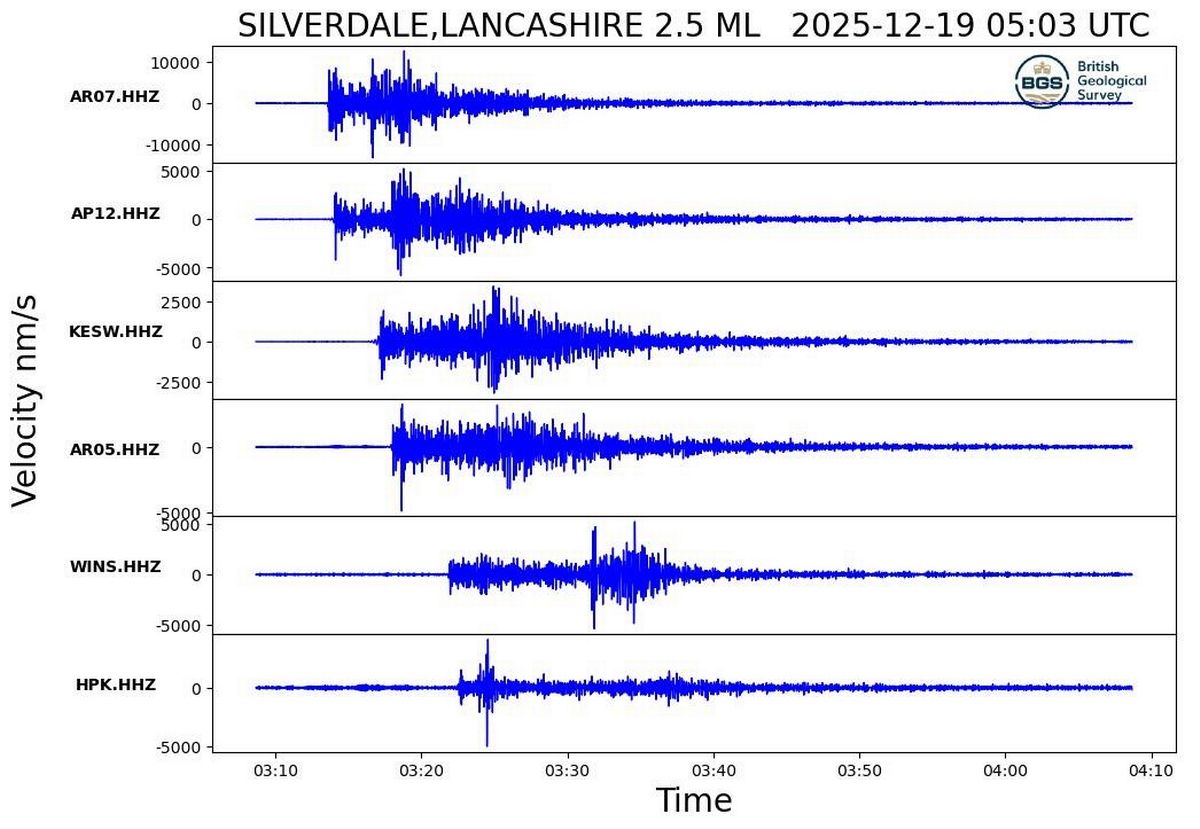
The December 19 event follows a 3.3-magnitude earthquake that rocked a similar part of the county just over two weeks prior, on December 4. That earlier quake occurred at 23:23 UTC, originating approximately three kilometres below ground. It was felt more broadly across the South Lakes and Lancashire, particularly within a 20-kilometre radius of its epicentre, impacting areas including Kendal and Ulverston.
The occurrence of two noticeable earthquakes in such close succession is relatively unusual for the region, although the United Kingdom experiences hundreds of small seismic events annually. Most of these tremors are imperceptible to humans, making the felt nature of these two quakes noteworthy.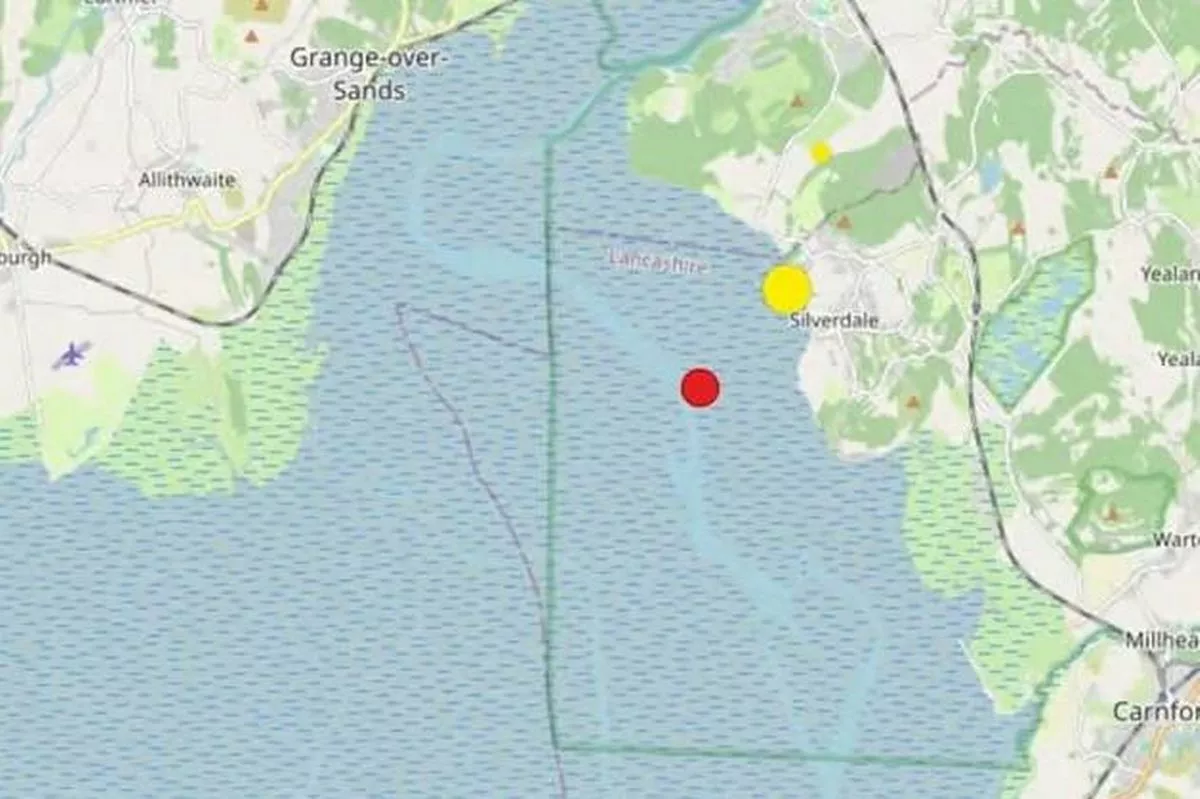
The British Geological Survey plays a crucial role in monitoring and confirming these seismic activities, providing precise data on magnitudes, epicentres, and depths. Their timely updates help to inform the public and provide scientific context to these natural phenomena, reassuring residents about the low risk of major seismic events in the UK.
While neither earthquake has caused significant damage, the repeated tremors have undoubtedly created a sense of unease among local residents. The BGS continues to analyse the data from both events, contributing to a broader understanding of the geological stability and minor seismic patterns within the Lancashire area.
Such events serve as a reminder that the UK, despite not being on a major tectonic plate boundary, is not entirely immune to geological movements. The BGS maintains its network of seismographs across the country to detect and record even the smallest tremors, ensuring comprehensive monitoring of the nation’s seismic landscape.

![[post_title]](https://samony.com.ng/wp-content/uploads/2025/12/1766141038_SharpSpring-CRM-review-TechRadar-300x171.png?lm=69452C70 "SharpSpring CRM Review: Integrated Marketing Automation for SMBs")
![[post_title]](https://samony.com.ng/wp-content/uploads/2025/12/1766141188_Time-to-Prepare-for-Disasters-Like-They-Could-Happen-to-300x169.jpg?lm=69452D07 "US Natural Disasters Intensify, Urging Widespread Preparedness")

![[post_title]](https://samony.com.ng/wp-content/uploads/2025/12/1766138506_French-police-raid-culture-ministers-home-as-part-of-corruption.jpg?lm=6945228A "French Culture Minister Rachida Dati Raided in Corruption Probe")
![[post_title]](https://samony.com.ng/wp-content/uploads/2025/12/1766138574_BBC-presenter-dubs-Tommy-Fury-influencer-like-Jake-Paul-instead-300x158.jpg?lm=694522CF "Amol Rajan Labels Tommy Fury “Influencer” Amid Crossover Boxing Boom")
![[post_title]](https://samony.com.ng/wp-content/uploads/2025/12/Reps-Raises-Campaign-Spending-Limits-For-2027-Elections-Presidential-Candidates.jpg?lm=69451FAD "Nigerian Lawmakers Raise 2027 Election Spending Limits to ₦10 Billion")

![[post_title]](https://samony.com.ng/wp-content/uploads/2025/12/If-Your-Husbands-Come-Home-Late-Or-Refuse-To-Eat.webp.webp "Ghana Police: Denying Spouse Sex, Food, Late Returns Can Be Abuse")
![[post_title]](https://samony.com.ng/wp-content/uploads/2025/12/1766141038_SharpSpring-CRM-review-TechRadar-1024x585.png?lm=69452C71 "SharpSpring CRM Review: Integrated Marketing Automation for SMBs")
![[post_title]](https://samony.com.ng/wp-content/uploads/2025/12/1766141188_Time-to-Prepare-for-Disasters-Like-They-Could-Happen-to-1024x576.jpg?lm=69452D07 "US Natural Disasters Intensify, Urging Widespread Preparedness")
