

![[post_title]](https://samony.com.ng/wp-content/uploads/2025/11/1763535395_Maternal-neonatal-deaths-high-in-underserved-Lagos-communities-1024x576.jpg?lm=691D6A24)
Maternal and Neonatal Health Crisis: A Critical Look at Lagos’ Underserved Communities
Reports continue to surface highlighting alarmingly high maternal and neonatal mortality rates in Lagos’ underserved communities. One man’s story of losing his wife in labor due to lack of access to healthcare paints a grim picture. Makoko, a floating community, starkly illustrates this challenge.
Nigeria’s overall maternal mortality numbers are devastating. Startling statistics position the nation as a significant contributor to global maternal, stillbirth, and neonatal deaths. This reflects systemic failures.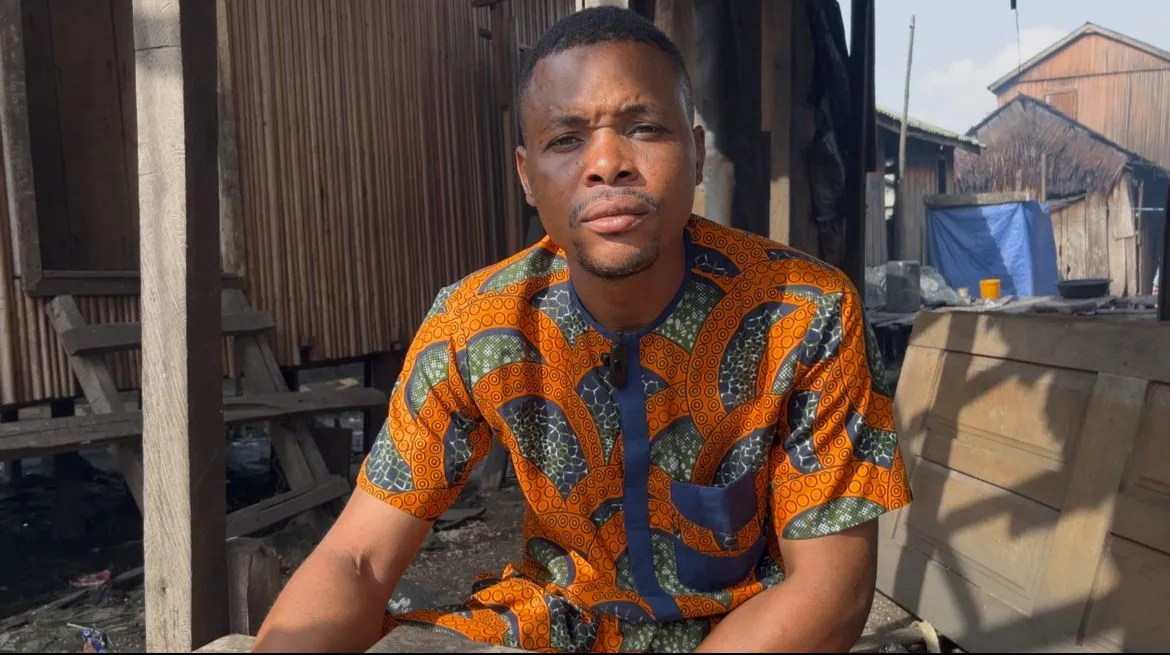 >
>
Official Lagos State Ministry of Health figures, plus recent studies, paint a concerning picture. One in every 51 women in Lagos faces the risk of death from pregnancy-related causes. Younger women appear to be at even higher risk.
The causes? Often, they’re preventable: severe bleeding, infections, high blood pressure, delivery complications. For newborns, poor infrastructure, limited skilled attendants, and lack of emergency care take a terrible toll. I’ve seen this pattern before – funding doesn’t always translate to impact where it’s needed most.
Take the story of Zanu Lako, who lost his wife after she delivered twins at a local clinic unable to handle her complications. Makeshift clinics and unqualified staff exacerbate the issue. They simply lack equipment for obstetric emergencies. Reaching some facilities involves a perilous canoe ride.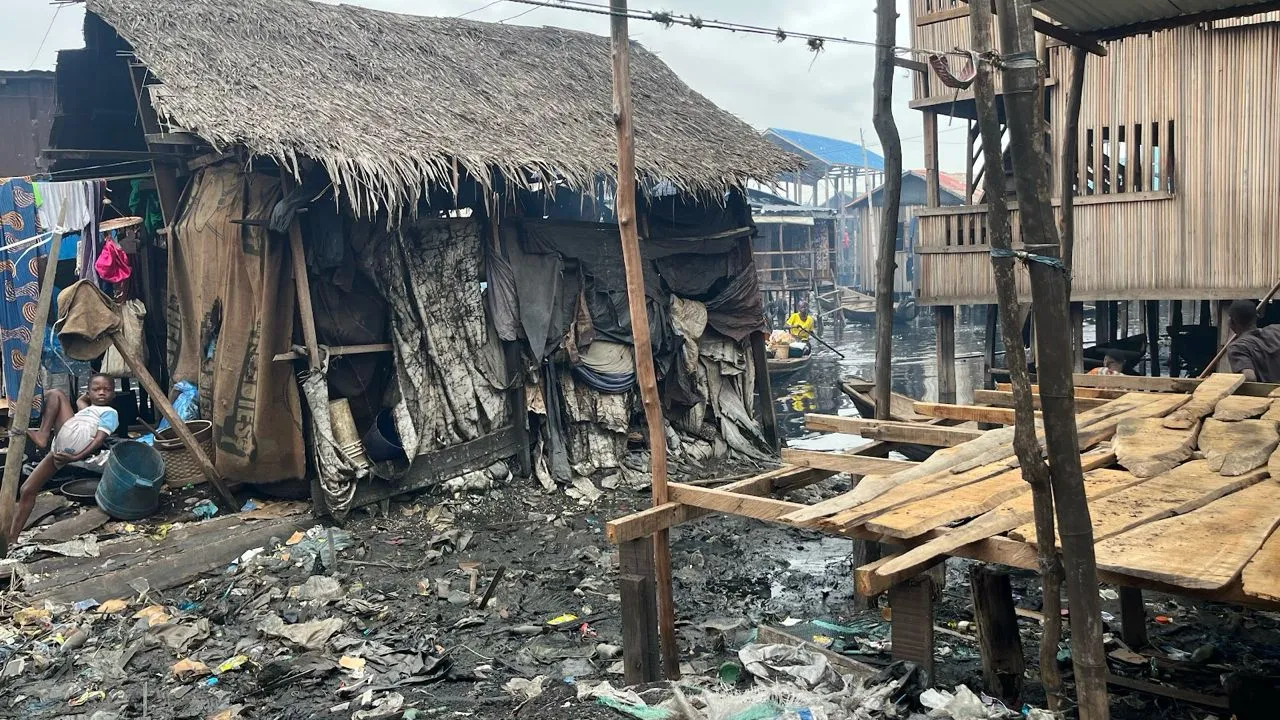 >
>
While attention tends to focus on maternal deaths, newborn survival is a parallel crisis. Hundreds of thousands of babies die at birth in Nigeria annually.
Community health workers bravely volunteer, sometimes filling gaps left by the formal system. Midwives are crucial. The WHO believes wider access to skilled midwives could avert a large percentage of deaths. These frontline workers, however, can only do so much with limited resources.
Interestingly, Makoko’s history involves clashes with the Lagos State Government over demolitions. Urban renewal efforts become a contentious point when residents fear displacement.
Bariga, another Lagos community, echoes Makoko’s struggles. Fear of eviction keeps residents quiet about these struggles.
One common thread? The disconnect between funding allocations and what actually reaches the community level. Budgets may appear significant, but they often miss globally recommended targets. Even when allocated, money doesn’t always trickle down, leaving facilities under-resourced.
The Lagos State government points to initiatives underway. Expanded primary healthcare, a new medical university, and more water ambulances are cited. Also, collaborations with traditional birth attendants and emergency response systems show promise.
Still, questions persist. How quickly will these initiatives materialize? Will funding align with stated goals? And will communities participate meaningfully in designing solutions? Inclusive interventions, accountability, and sustained oversight become essential to progress. For these efforts to truly save lives, they must equip communities to protect themselves.

![[post_title]](https://samony.com.ng/wp-content/uploads/2025/11/Here-are-my-favorite-Black-Friday-TV-deals-from-Samsung-300x156.jpg?lm=69298A78 "Black Friday TV Deals: What’s Actually Worth Buying This Year")
![[post_title]](https://samony.com.ng/wp-content/uploads/2025/11/Naira-slides-past-N14501-all-week-setting-stage-for-high-stakes-MPC-300x175.png?lm=69216CD4 "Naira Gains: Is It Real Progress, or a Fleeting Fix?")
![[post_title]](https://samony.com.ng/wp-content/uploads/2025/11/Coastal-HWay-FG-begins-payment-of-compensations-to-CRiver-landlords-300x200.jpeg?lm=69298445 "Coastal Highway Payouts: Early Wins Don’t Guarantee Long-Term Success")
![[post_title]](https://samony.com.ng/wp-content/uploads/2025/11/1764328534_Peter-Kay-admits-to-major-appearance-change-to-cope-with-300x158.jpg?lm=69298459 "Peter Kay: Masking Anxiety, Unveiling Authenticity")
![[post_title]](https://samony.com.ng/wp-content/uploads/2025/11/2027-If-Asiwaju-does-not-win-in-Edo-I-will-300x162.jpg?lm=69298519 "Edo 2027: Decoding Okpebholo’s Resignation Pledge – A High-Stakes Bet on Tinubu’s Appeal")

![[post_title]](https://samony.com.ng/wp-content/uploads/2025/11/1764329963_Urgent-search-underway-after-British-tourist-76-falls-overboard-from-1024x683.jpeg?lm=69298A07 "Tenerife Tragedy: Are Cruise Ships Safe Enough?")
![[post_title]](https://samony.com.ng/wp-content/uploads/2025/11/It-was-a-slip-of-tongue-1024x512.jpg?lm=69298A3A "Burna Boy’s Brand: Fame, Fans, and the Internet")
![[post_title]](https://samony.com.ng/wp-content/uploads/2025/11/Here-are-my-favorite-Black-Friday-TV-deals-from-Samsung-1024x532.jpg?lm=69298A79 "Black Friday TV Deals: What’s Actually Worth Buying This Year")
