

![[post_title]](https://samony.com.ng/wp-content/uploads/2025/11/1764519662_Ukrainians-to-meet-with-Witkoff-and-Kushner-in-Florida-after-1024x683.jpg?lm=692C6EF1)
Ukraine Peace Talks: A Critical Look at the Kushner-Witkoff Initiative
The news cycle churns, and once again, Ukraine finds itself at the center of a high-stakes geopolitical game. This time, it involves a proposed peace plan orchestrated by figures closely associated with Donald Trump. Specifically, Steve Witkoff and Jared Kushner are slated to meet with Ukrainian officials in Florida, preceding discussions with Russian leaders. One has to wonder about the substance behind this initiative.
The goal, ostensibly, is to hammer out an agreement to end the ongoing conflict. Yet, whispers suggest the proposed 28-point plan might heavily favor Russia. Trump’s inability to name any significant Russian concessions only fuels the unease. Given these facts, it’s fair to question the impartiality of the negotiation.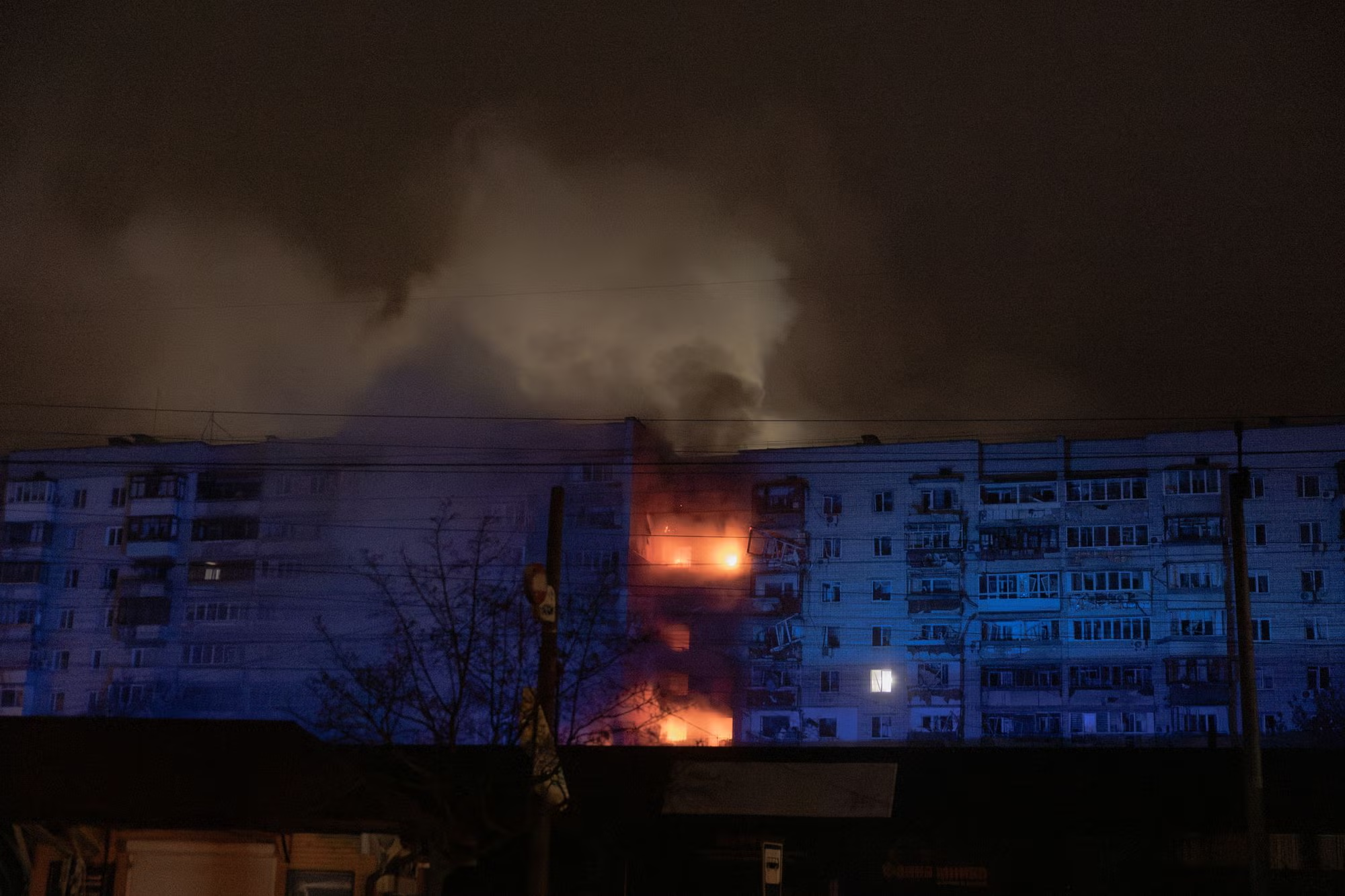 >
>
It’s worth noting that Witkoff and Kushner previously engaged with Kirill Dmitriev, a key figure in Russia’s sovereign wealth fund. The whispers from that meeting pointed toward reopening Russia’s economy to the West and potential joint ventures. It’s hard to ignore the potential for personal gain here. The notion of accessing frozen Russian assets to fund Ukraine’s reconstruction sounds good in theory, but the devil, as always, is in the details. Who controls those assets? Who benefits from the reconstruction contracts? These are key questions.
Negotiations are already underway. A previous meeting in Geneva reportedly resulted in a revised 19-point plan. Will this softened version gain traction? Russia hasn’t yet signed on. Apparently, the revised framework is expected to reach Moscow following the Florida talks.
Zelensky’s cautious statement regarding the negotiations hints at underlying tensions. The original 28-point plan reportedly involved territorial concessions from Ukraine and limitations on its military and NATO aspirations. Understandably, these conditions raise concerns about Ukraine’s long-term sovereignty. To that end, one has to wonder what aspects of the framework are still in place.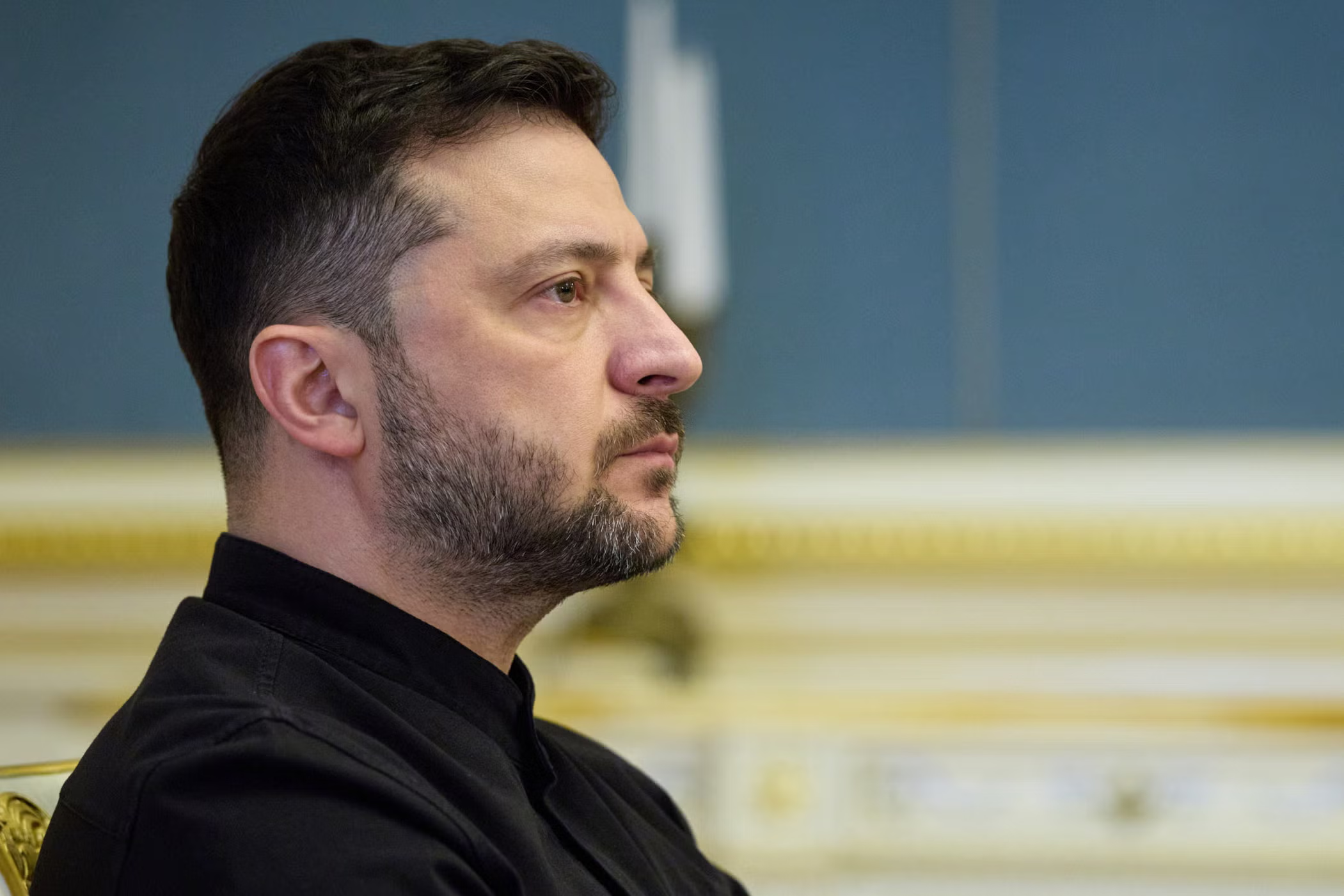 >
>
The White House readout of the Geneva talks painted a far more optimistic picture, emphasizing Ukrainian buy-in. Claims that the revised draft thoroughly addresses Ukraine’s concerns seem a little too good to be true. I am somewhat skeptical of that narrative.
This entire scenario echoes patterns I’ve observed before. Grand pronouncements, behind-the-scenes maneuvering, and the ever-present specter of conflicting interests. It’s a complex situation, and one must approach claims of progress with healthy skepticism.
From my experience, deals forged in haste, particularly those involving powerful and self-interested players, often contain hidden pitfalls. Ukraine is caught between a rock and a hard place. It needs peace, but not at the cost of its future. This challenge is not to be underestimated.
Ultimately, the success of any peace agreement hinges on genuine commitment to a fair and lasting resolution. The current framework raises more questions than it answers. As such, one can only hope that Ukraine’s interests are genuinely at the forefront of these negotiations. Time will reveal whether this initiative genuinely paves the way toward peace, or if it represents yet another chapter in a protracted and painful conflict. It might even give way to unprecedented outcomes.

![[post_title]](https://samony.com.ng/wp-content/uploads/2025/11/1764519788_Ariana-Grande-issues-emotional-statement-on-weight-loss-after-growing-300x158.jpg?lm=692C6F6D "Ariana Grande’s Tearful Plea: Why Can’t We Stop Commenting on Her Body?")
![[post_title]](https://samony.com.ng/wp-content/uploads/2025/11/1764518100_Tommy-Lee-pens-wistful-note-on-auctioned-off-safe-that-once-300x200.jpg?lm=692C68D7 "The $2,500 Safe: A Veteran’s Take on Privacy, Celebrity, and the Price of Virality.")

![[post_title]](https://samony.com.ng/wp-content/uploads/2025/11/Baden-Wurttemberg-Comicmesse-Comic-Con-in-Stuttgart-gestartet-300x169.jpg?lm=692C6AEE "Fan Conventions at a Crossroads: Preserving Authenticity in an Expanding Universe")
![[post_title]](https://samony.com.ng/wp-content/uploads/2025/11/1764517773_Marjorie-Taylor-Greene-appears-to-send-cryptic-message-to-Trump-300x200.jpg?lm=692C6790 "Greene’s Criticism Hints at a Rift With Trump Over Immigration and H-1B Visas")
![[post_title]](https://samony.com.ng/wp-content/uploads/2025/11/Bandits-abduct-bride-wedding-guests-in-Sokoto-community-300x180.jpg?lm=692C67D6 "Sokoto Wedding Abduction: Banditry’s Grip Intensifies")

![[post_title]](https://samony.com.ng/wp-content/uploads/2025/11/Governor-Alex-Otti-visits-Nnamdi-Kanu-in-Sokoto-prison.jpg?lm=692C6F40 "Otti Visits Kanu: Politics or Peace in Abia?")
![[post_title]](https://samony.com.ng/wp-content/uploads/2025/11/1764519788_Ariana-Grande-issues-emotional-statement-on-weight-loss-after-growing-1024x538.jpg?lm=692C6F6E "Ariana Grande’s Tearful Plea: Why Can’t We Stop Commenting on Her Body?")
![[post_title]](https://samony.com.ng/wp-content/uploads/2025/11/1764518100_Tommy-Lee-pens-wistful-note-on-auctioned-off-safe-that-once-1024x683.jpg?lm=692C68DB "The $2,500 Safe: A Veteran’s Take on Privacy, Celebrity, and the Price of Virality.")
