

![[post_title]](https://samony.com.ng/wp-content/uploads/2025/12/1764816647_Doctor-sentenced-to-over-2-years-in-prison-for-selling-1024x683.jpg?lm=6930F70A)
Matthew Perry’s Death: A Look at the Ketamine Case and the Underlying Issues
The sentencing of Dr. Salvador Plasencia to two and a half years for providing ketamine to Matthew Perry understandably grabs headlines. It marks a grim milestone – the first conviction tied to the actor’s tragic passing. It’s tempting to view this as a clear-cut case of justice served. Yet, examining the broader context reveals a more intricate, and frankly disturbing, picture of the realities of addiction treatment and the pharmaceutical industry.
Plasencia’s apology to Perry’s family and his acknowledgement of “failing to protect a mother’s son” carry weight. However, the judge’s assertion that it “feels like selling drugs for profit” hits a crucial nerve. This wasn’t simply a case of a doctor making a mistake. The system allowed, even encouraged, a scenario where profit motives could eclipse patient well-being. The $55,000 he made paints a damning picture.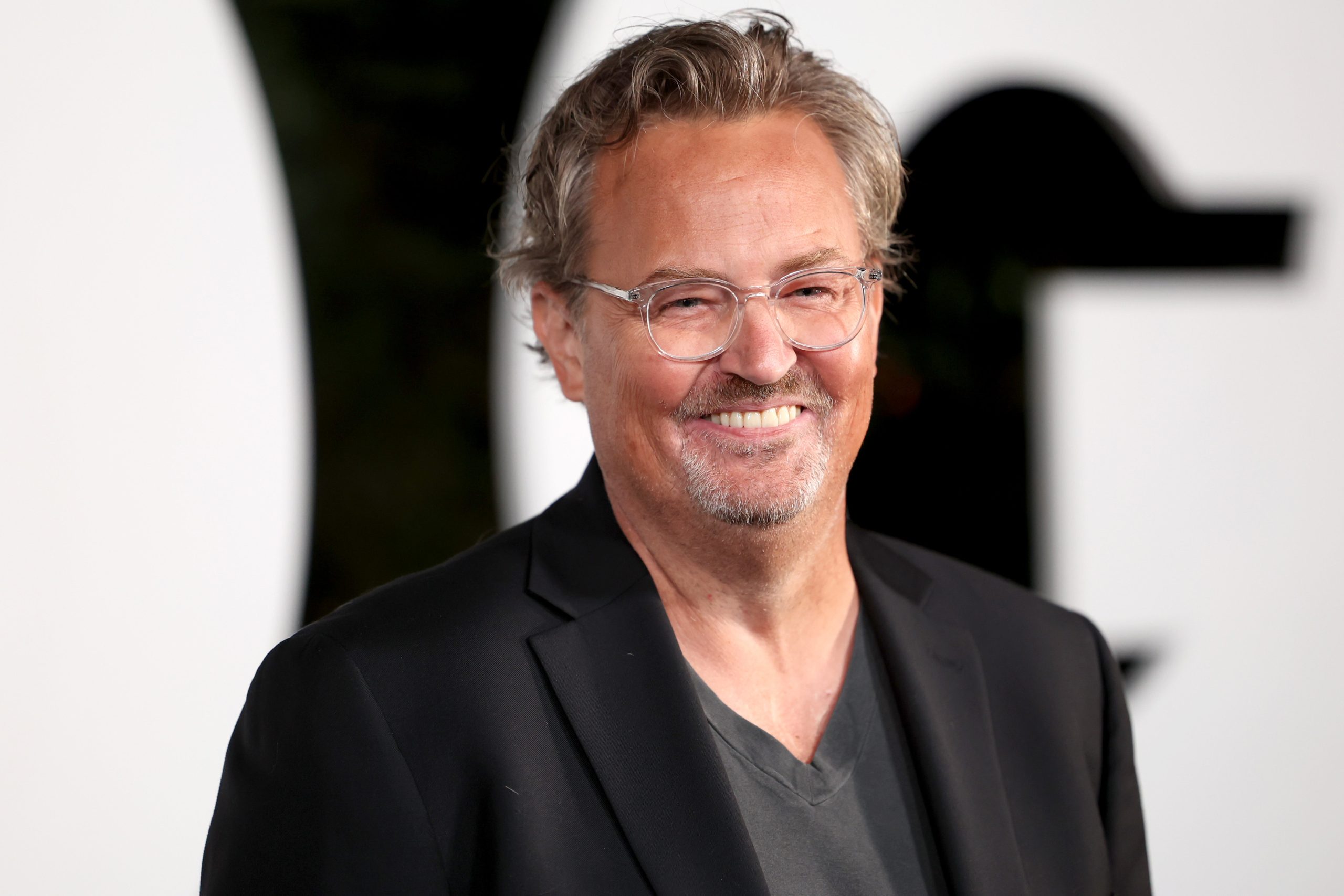 >
>
It’s worth noting that Plasencia wasn’t charged with providing the specific dose that killed Perry. That responsibility seemingly falls on Kenneth Iwamasa, Perry’s personal assistant, who apparently administered ketamine without proper medical training. The fact that Iwamasa gave Perry over 20 shots of ketamine in four days is alarming. It points to a complete breakdown of oversight and accountability. How did Iwamasa get the drugs? This begs the question: how many others are similarly self-medicating or relying on unqualified individuals due to gaps in the legitimate healthcare system?
The details surrounding Perry’s death are undeniably unsettling. The Los Angeles County Medical Examiner pointed to the “acute effects of ketamine,” along with drowning, coronary artery disease, and buprenorphine, as contributing factors. It is a cocktail of circumstances that illustrates the complexities of addiction and its lethal consequences.
Perry’s mother’s powerful statement, condemning doctors who “destroy people, destroying human beings” with drugs, resonates deeply. Her outrage at Plasencia referring to her son as a “moron” underscores the dehumanization that can occur when addiction is viewed through a lens of judgment rather than compassion. This really demonstrates how the stigma around substance use makes it harder to treat and easier to exploit.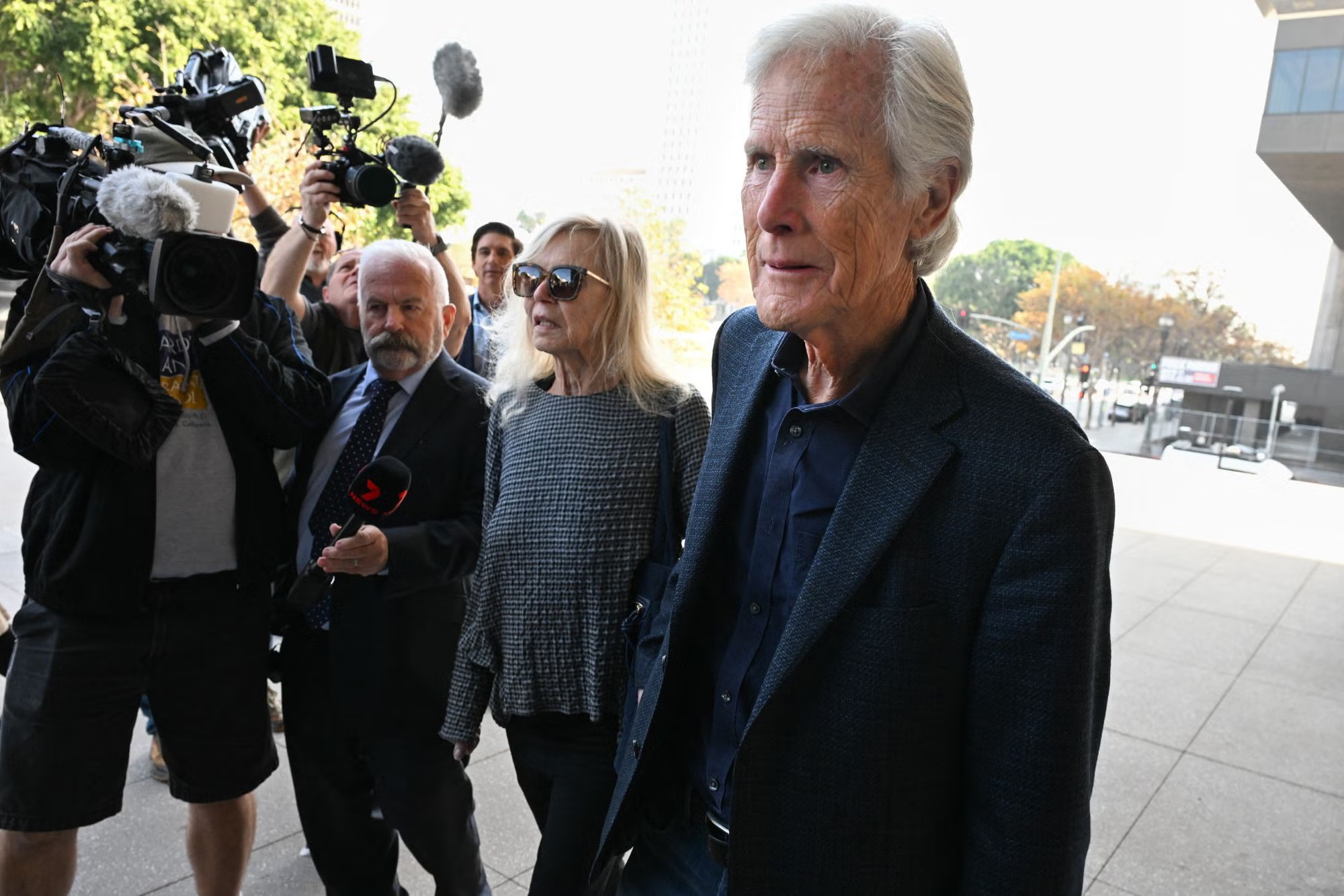 >
>
The case highlights a concerning trend: individuals turning to dealers when doctors refuse to prescribe more doses of a needed medication. This speaks volumes about the limitations and rigidity within the medical establishment. Are we truly serving patients’ best interests when access to treatment is restricted to the point of forcing people into dangerous situations?
US Attorney Ian Yanniello’s characterization of Plasencia as a “drug dealer in a white coat” is stark, yet perhaps accurate. He asserts Plasencia exploited Perry’s “severe addiction” for his own “profit motive.” It sounds like a broken record with the opioid crisis, doesn’t it?
However, Plasencia’s attorneys argue a contrasting point. They depict him as a “good doctor” who made “serious mistakes” regarding the “off-label use of ketamine.” They highlight the lack of “uniform standards” for ketamine treatment. Here we see the core of the issue: a gap in accepted medical practice, one which creates loopholes where vulnerable patients are left to flounder.
The involvement of other individuals, like “Ketamine Queen” Jasveen Sangha and Erik Fleming, further deepens the rabbit hole. Sangha, accused of selling Perry around 50 vials of the drug, operated what prosecutors called a “drug-selling emporium.” Fleming admitted to distributing the ketamine that killed Perry. These charges reveal a network of individuals willing to profit from addiction, highlighting the darker side of the pharmaceutical landscape.
Perry’s own openness about his struggles, chronicled in his memoir, adds another layer of complexity. His journey, starting with prescription medication after a jet ski accident, illustrates how easily addiction can take root. It’s a reminder that it can be anyone, even someone who seemed to have it all.
The case of Dr. Mark Chavez, who admitted to selling ketamine to Plasencia, knowing it would be sold to Perry, reinforces the systemic nature of the problem. It wasn’t just one rogue doctor, but a chain of individuals contributing to Perry’s demise.
This case serves as a cautionary tale. It reveals the dangers of unchecked profit motives in healthcare, the vulnerabilities of those struggling with addiction, and the gaps in treatment protocols. It demands a critical examination of how we address addiction and mental health. Are we providing adequate support and oversight? Are we ensuring that patients have access to safe, evidence-based treatment? Or are we simply creating opportunities for exploitation and tragedy?
This is not to excuse Plasencia’s actions, but rather to contextualize them within a larger system that arguably enabled them. The focus shouldn’t solely be on individual actors, but on reforming the systems that allow these tragedies to occur. We must work toward a future where healthcare prioritizes patient well-being above all else, not quick fixes and hefty profits.

![[post_title]](https://samony.com.ng/wp-content/uploads/2025/12/30m-Safe-School-probe-Senate-summons-govs-Edun-Education-Defence-300x182.jpeg?lm=6930F78E "$30 Million Vanished? Senate Grills Officials on Nigeria’s “Safe Schools” Promise.")
![[post_title]](https://samony.com.ng/wp-content/uploads/2025/12/Burna-Boy-pledges-to-cover-funeral-costs-for-children-killed-300x150.jpg?lm=6930F7DC "Burna Boy’s Pledge: Genuine Help, or Calculated Move?")
![[post_title]](https://samony.com.ng/wp-content/uploads/2025/12/Antigravitys-360-degree-drone-is-here-to-help-you-forget-DJI-300x155.jpg?lm=6930F542 "$1,599 Drone Goggles: Genius or Gimmick? See the Future of Filming Now.")
![[post_title]](https://samony.com.ng/wp-content/uploads/2025/12/Neymar-vai-para-o-jogo-Santos-divulga-lista-de-relacionados-300x200.jpg?lm=6930E22A "Neymar’s Shadow: Santos’ Survival Hinges on More Than Just a Legend’s Presence")
![[post_title]](https://samony.com.ng/wp-content/uploads/2025/12/Burna-Boy-Offers-to-Pay-Burial-Costs-for-Children-Killed-240x300.jpg?lm=6930DBD9 "Burna Boy Offers Funeral Support After Stockton Shooting")


![[post_title]](https://samony.com.ng/wp-content/uploads/2025/12/Folate-is-a-key-pregnancy-vitamin-but-not-all-supplements.jpeg?lm=6930F781 "Prenatal Vitamins: What Really Matters (And What’s Just Hype)")
![[post_title]](https://samony.com.ng/wp-content/uploads/2025/12/30m-Safe-School-probe-Senate-summons-govs-Edun-Education-Defence.jpeg?lm=6930F78D "$30 Million Vanished? Senate Grills Officials on Nigeria’s “Safe Schools” Promise.")
![[post_title]](https://samony.com.ng/wp-content/uploads/2025/12/Burna-Boy-pledges-to-cover-funeral-costs-for-children-killed-1024x512.jpg?lm=6930F7DD "Burna Boy’s Pledge: Genuine Help, or Calculated Move?")
