

MotoGP Rider Jorge Martin’s Stolen Bike: A Look at Security and Athlete Lifestyle
The news that MotoGP rider Jorge Martin had his €20,000 bicycle pilfered from the Valencia circuit raises some interesting questions, extending beyond just a simple theft. It is very costly for Jorge Martin, and not just because of the injuries he sustained.
First, the specifics. A customized, special-edition Pinarello bike went missing. The rider realized at the end of the day that someone had opened the area where he keeps the bicycles he trains with. This wasn’t some opportunistic grab; sources close to Martin believe the perpetrator knew the paddock area intimately. They bypassed other valuable items, focusing solely on the customized bicycle. Law enforcement arrived at the scene of the theft and took statements from those present, presumably to start an investigation.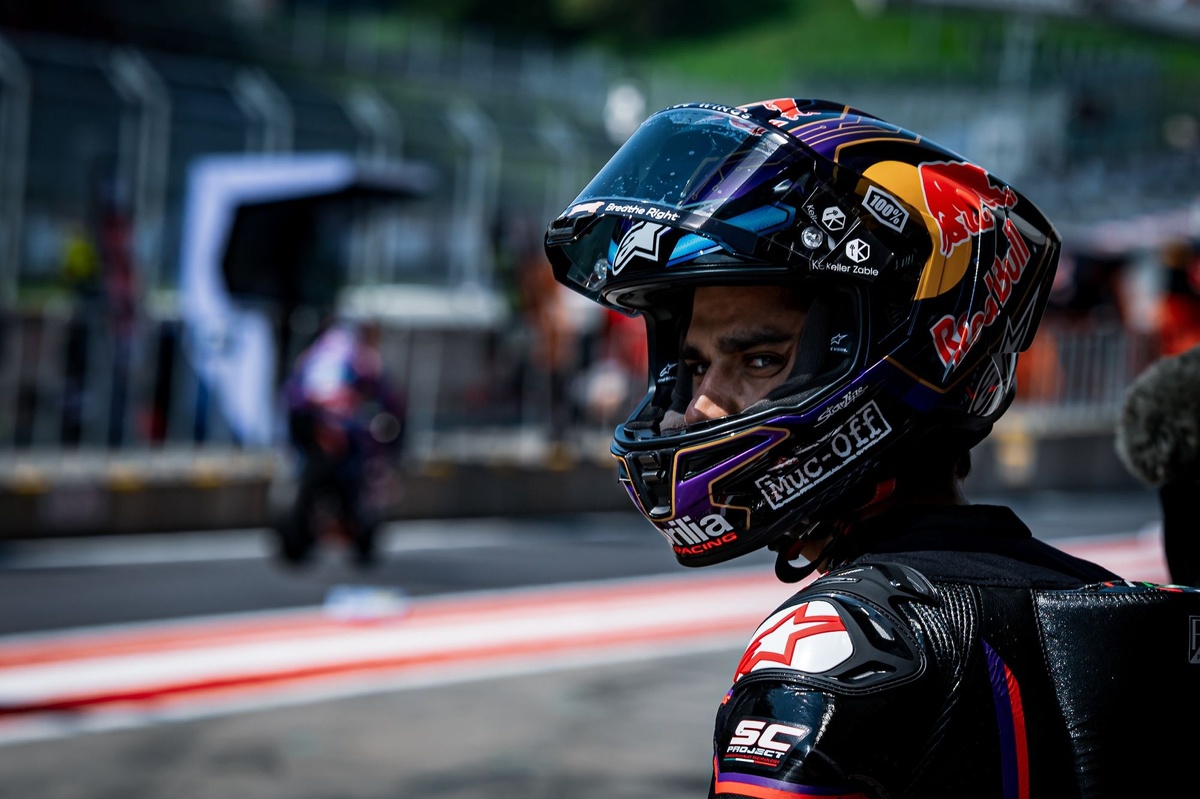 >
>
How did the thief manage to circumvent circuit security? That’s the real head-scratcher. Every vehicle entering the paddock needs a special sticker. This suggests either an inside job or a serious lapse in security protocols. It’s difficult to fathom how anyone could navigate such a restricted zone without raising suspicion.
It is surprising that the thieves managed to bypass the circuit’s security, as all vehicles entering the paddock must display a specific sticker.
The pilfered bicycle incident exposes a potentially worrying vulnerability within the MotoGP environment. It prompts a deeper probe into security procedures at racing venues. Did the security team fail to observe due diligence? Did the team do a thorough and careful job? Perhaps this unfortunate incident will galvanize a review of existing measures, leading to enhanced protection for valuable equipment belonging to teams and riders alike.>
Beyond security, it also spotlights the lifestyle of these elite athletes. Like many racers, Martin uses cycling as a crucial component of his training regime. We often see these riders posting pictures on social media of training rides, often alongside fellow racers. It’s a demanding sport, and maintaining peak physical condition requires rigorous dedication.
The use of high-end bicycles for training should also be noted. While a €20,000 bike might sound extravagant to the average person, it’s standard fare in professional cycling. These machines are precisely engineered for performance, utilizing lightweight materials and advanced aerodynamics to deliver a competitive edge. To be fair, the machine was a customized, special-edition Pinarello.
This loss does sting. It’s a significant financial blow, especially considering the dedication and resources these athletes pour into their training. To have that investment compromised by theft adds insult to injury.
Broader Industry Implications:
This incident, while seemingly isolated, mirrors trends I’ve observed in other industries. Security breaches are becoming more sophisticated, targeting specific assets based on inside knowledge. You may want to consider the following:
Vulnerability Assessments: Companies, including MotoGP circuits, need to conduct regular, comprehensive vulnerability assessments. These audits should examine physical security, digital infrastructure, and personnel protocols.
Insider Threat Programs: A robust insider threat program can help identify and mitigate risks posed by employees or contractors with access to sensitive information or assets.
Enhanced Surveillance: Investing in advanced surveillance technologies, such as AI-powered video analytics, can improve threat detection and response capabilities.
Cybersecurity Integration: With the increasing reliance on connected devices and digital systems, integrating cybersecurity into physical security strategies is essential.
The motorsport world isn’t immune to these challenges. The theft of Martin’s bicycle is a wake-up call, highlighting the need for proactive security measures.
My Own Perspective:
In my experience, complacency often leads to security lapses. Organizations sometimes become overconfident in their existing protocols, failing to adapt to evolving threats. A regular review and update of security measures, including input from experts and frontline personnel, is vital.
It’s also worth noting the psychological impact of such incidents. When athletes feel their personal space and equipment are not safe, it can affect their focus and performance. Maintaining a secure and trustworthy environment is essential for fostering a positive and productive atmosphere.
Looking Ahead:
One hopes the authorities swiftly apprehend the culprit and recover Martin’s bicycle. More importantly, one hopes this incident triggers a broader conversation about security within the MotoGP community, leading to concrete improvements that protect both athletes and their valuable equipment. The Aprilia rider realized at the end of the day that someone had opened the area where he keeps the bicycles he trains with, stealing a customized, special-edition Pinarello.
This situation serves as a reminder that security is not merely a set of procedures; it’s a culture. It demands constant vigilance, adaptation, and a willingness to invest in the best available protection. They knew what they were looking for, because they left other items that were also valuable but didn’t interest them.
Perhaps Martin will see this as an opportunity to explore new training methods or upgrade his security measures. Either way, this episode serves as a stark reminder that even in the high-octane world of MotoGP, everyday realities like theft can intrude, forcing a re-evaluation of priorities and security protocols. Martin and his team believe that whoever stole the bicycle knew the paddock and circuit facilities.

![[post_title]](https://samony.com.ng/wp-content/uploads/2025/12/Setting-the-Record-Straight-On-The-Defamation-Case-Involving-Senator-300x150.jpg?lm=69348567 "Defamation in the Digital Age: Evidence Trumps Agitation")
![[post_title]](https://samony.com.ng/wp-content/uploads/2025/12/Allegations-baseless-entirely-untrue-Ex-Army-chief-Yahaya-on-links-300x200.jpg?lm=69348583 "Terrorism Financing Allegations: Separating Vendetta from Verifiable Facts")

![[post_title]](https://samony.com.ng/wp-content/uploads/2025/12/1765049341_How-pregnancy-is-being-criminalised-in-post-Roe-America-300x169.jpeg?lm=69348401 "Pregnancy Criminalized: America’s Post-Roe Reality")

![[post_title]](https://samony.com.ng/wp-content/uploads/2025/12/1765049531_George-Clarke-to-lose-place-in-Strictly-semi-final-as-worrying-300x158.jpg?lm=693484BF "Is George Clarke Doomed on Strictly? This TikToker’s “Jinx” Has Everyone Freaking Out")


![[post_title]](https://samony.com.ng/wp-content/uploads/2025/12/1765051311_Im-worried-Lady-releases-chat-with-Harrison-Gwamnishu-days-1024x535.jpg?lm=69348BB2 "Gwamnishu’s Arrest: Truth and Allegations")
![[post_title]](https://samony.com.ng/wp-content/uploads/2025/12/Setting-the-Record-Straight-On-The-Defamation-Case-Involving-Senator.jpg?lm=69348565 "Defamation in the Digital Age: Evidence Trumps Agitation")
![[post_title]](https://samony.com.ng/wp-content/uploads/2025/12/Allegations-baseless-entirely-untrue-Ex-Army-chief-Yahaya-on-links.jpg?lm=69348581 "Terrorism Financing Allegations: Separating Vendetta from Verifiable Facts")
