

![[post_title]](https://samony.com.ng/wp-content/uploads/2025/12/In-1995-a-Netscape-employee-wrote-a-hack-in-10-1024x576.jpg?lm=6931D86E)
JavaScript at 30: From 10-Day Hack to Web Dominance
Thirty years on, it’s astounding to consider the impact of JavaScript. Born from a frantic two-week coding burst by Brendan Eich at Netscape, this scripting language wasn’t meticulously planned, but rather hacked together. The goal? To inject interactivity into the burgeoning World Wide Web. What started as a quick fix became the de facto standard, powering nearly every website with client-side code today. Beyond the browser, JavaScript has spread to server-side development, mobile applications, and even embedded systems. Surveys consistently rank it among the most used languages, a testament to its enduring relevance.
Netscape envisioned JavaScript as a lightweight language accessible to designers, not just seasoned programmers. To achieve this, Eich borrowed syntax from Java (appeasing management) and concepts from Scheme and Self (languages he personally admired). This blend resulted in a language that was easy to pick up but also surprisingly powerful.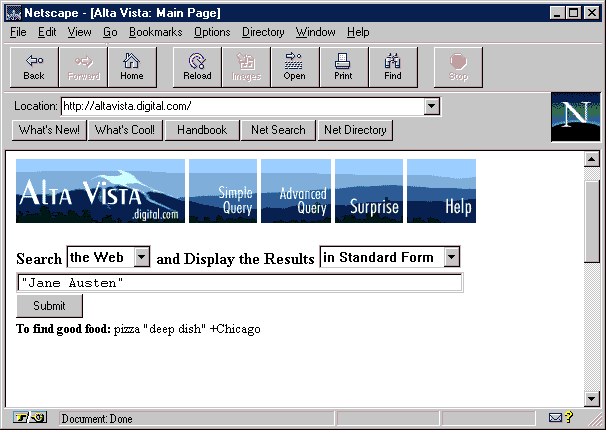 >
>
It’s quite a story, how this rapidly developed tool has become the foundation for so much of our digital world.
The initial announcement of JavaScript included endorsements from 28 tech companies. Yet, scanning that list now feels like reading a tech industry obituary. Digital Equipment Corporation, Silicon Graphics, Netscape itself – all ghosts of the past. Sun Microsystems, Java’s owner and co-creator of JavaScript, was swallowed by Oracle. JavaScript, in a twist of fate, surpassed them all.
The 10-day genesis is a compelling tale, almost folklore. Yet, it’s also somewhat misleading. Eich’s sprint produced a functional prototype, not a polished language. Netscape continued to refine the design throughout the following year. This hurried development introduced quirks and inconsistencies that continue to frustrate developers. I’ve encountered these myself, and they can be head-scratchers. A barrage of changes caused annoyance even for prominent figures within the industry.>
It’s worth acknowledging the messiness of JavaScript’s rise. It wasn’t a perfectly architected language from the start. Its evolution was driven by immediate needs and compromises.
What explains JavaScript’s improbable survival and eventual dominance? Several factors come to mind. First, timing. It arrived just as the web was exploding in popularity. Browsers needed a way to handle dynamic content, and JavaScript filled that void. Then came the standardization efforts, such as ECMAScript, which helped to tame some of the language’s inherent chaos. The rise of powerful JavaScript engines, pioneered by Google’s V8, further boosted performance and opened up new possibilities.
Consider the alternatives at the time. Other scripting languages existed, but they lacked the browser integration that JavaScript enjoyed. Plugins like Flash were popular for a while, yet suffered from performance issues, security vulnerabilities, and a closed ecosystem. JavaScript, despite its flaws, was the least bad option.
However, the language continues to evolve. Modern JavaScript frameworks like React, Angular, and Vue.js have made it easier to build complex web applications. These frameworks abstract away much of the underlying complexity, offering developers a more structured and maintainable development experience. I’ve noticed that many newer developers primarily interact with JavaScript through these frameworks, sometimes unaware of the language’s historical quirks.
This introduces a new set of challenges. These frameworks can create their own walled gardens. Developers may become overly reliant on specific frameworks, limiting their understanding of core JavaScript principles. The constant churn of new frameworks and libraries can also lead to “JavaScript fatigue,” a feeling of being overwhelmed by the ever-changing landscape.
The future of JavaScript remains uncertain. New languages like WebAssembly promise to deliver near-native performance in the browser. Deno, created by the original inventor of Node.js, offers a more secure and modern JavaScript runtime. It’s possible that these technologies will eventually displace JavaScript in certain areas.
Still, JavaScript has proven remarkably resilient. Its massive ecosystem, vast community, and ongoing evolution make it a formidable force. Its widespread adoption provides a clear advantage, particularly when businesses have invested significantly in existing JavaScript-based systems. It would take a truly disruptive technology to unseat it entirely.
Given these facts, what are the key takeaways? JavaScript’s success demonstrates the power of being in the right place at the right time, even if the product isn’t perfect. The language’s adaptability and the strength of its community have been crucial to its longevity. It’s also a reminder that technology adoption is rarely a rational process. Network effects, historical accident, and even marketing hype can play a significant role. JavaScript’s story is far from over.
I’ve seen similar patterns in other areas of technology. A technology gains traction, builds a large ecosystem, and becomes deeply entrenched. Even if better alternatives emerge, the incumbent often proves difficult to dislodge.





![[post_title]](https://samony.com.ng/wp-content/uploads/2025/12/1764867688_Gen-Z-admit-to-overthinking-in-winter-as-half-use-300x158.png?lm=6931BE6C "Gen Z’s Winter Overthinking: Tech Dependence vs. Grounding Solutions")
![[post_title]](https://samony.com.ng/wp-content/uploads/2025/12/Iran-Sends-Delegation-To-World-Cup-Draw-After-Threats-To.jpg?lm=6931BEBA "Navigating Geopolitics: Lessons from Iran’s World Cup Dance and the Ever-Present Data Game")

![[post_title]](https://samony.com.ng/wp-content/uploads/2025/12/1764869561_Wizkid-Set-to-Host-GOAT-Concert-in-Lagos-This-December.jpeg?lm=6931C5BB "Wizkid’s Lagos Show: True Homecoming or Calculated Move?")
