The rapid surge in artificial intelligence technologies has propelled the stock market to unprecedented heights, sparking a crucial debate among investors: is AI stock market a bubble waiting to pop? This question, echoing historical financial events, delves into whether the current enthusiasm for AI is sustainable or if it mirrors past speculative frenzies. As major tech companies pour billions into AI infrastructure, the comparison to previous market bubbles becomes inevitable, prompting a closer look at the underlying dynamics.
Throughout financial history, significant technological advancements have often been accompanied by periods of intense speculation and over-investment. From the railroad boom of the 19th century to the dot-com era, the pattern of capital flowing disproportionately into transformative sectors is well-documented. While these innovations ultimately reshaped society, the path was frequently marked by speculative excesses that led to market corrections. The current AI phenomenon presents a similar scenario, where the long-term potential is undeniable, yet short-term valuations raise concerns.
How to identify a market bubble? A market bubble is characterized by a rapid escalation in asset prices, often driven by speculative trading rather than fundamental value, leading to prices that are far in excess of intrinsic worth. Key indicators include irrational exuberance, widespread public participation, and a disconnect between asset valuations and traditional metrics like earnings or cash flow. This unsustainable growth typically culminates in a sharp, sudden decline when investor confidence erodes.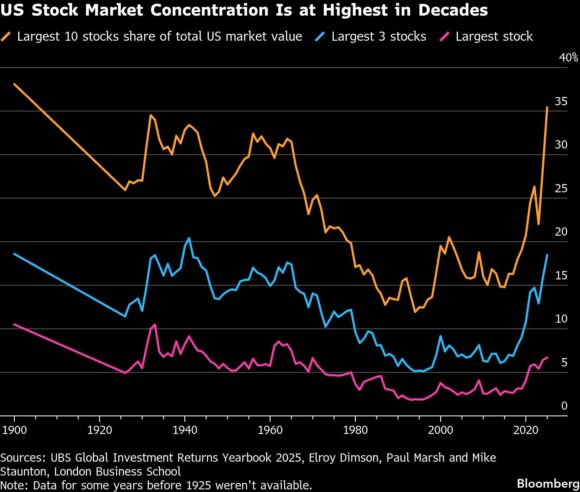
Comparing the current AI rally to previous market events, particularly the infamous dot-com bubble, provides valuable perspective. While the internet era saw an average trough-to-peak gain of over 200% within a few years, the contemporary AI-driven surge, though significant, has shown a different trajectory. The S&P 500 and Nasdaq indices have seen substantial gains in recent periods, but some analysts argue that the pace, while robust, has not yet reached the extreme speculative levels seen in the late 1990s. This nuanced comparison is central to understanding whether the AI bubble vs dot com bubble debate holds true.
A notable feature of the current market landscape is the high concentration of value within a handful of mega-cap technology companies. These firms, heavily invested in AI, represent a substantial portion of major indices. While this concentration raises eyebrows, historical precedents exist where a few dominant industries or companies held similar sway. The question remains whether this concentration signifies a healthy market led by innovative leaders or an unhealthy reliance on a select few, increasing systemic risk should an Nvidia stock market update or similar news trigger a broad sell-off.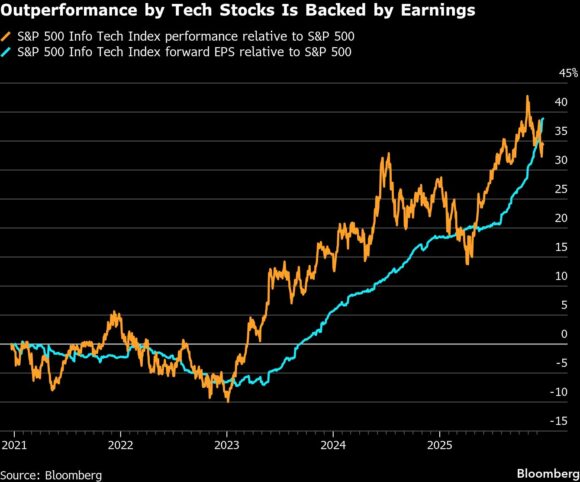
Unlike some speculative eras where companies had little to no profit, many of today’s AI leaders boast strong fundamentals. Companies like Nvidia and Meta Platforms are already reporting significant profit growth directly attributable to their AI investments and products. This contrasts sharply with numerous dot-com firms that were valued on future potential alone, often without a clear path to profitability. The robust earnings of current AI giants provide a more solid foundation, making the argument for a pure bubble less straightforward, though high valuations still warrant scrutiny for AI investing for beginners.
Despite strong fundamentals, market valuations remain a key point of contention. Metrics like the cyclically adjusted price-to-earnings (CAPE) ratio suggest that overall market valuations are elevated compared to historical averages, rivaling levels only seen during the dot-com boom. However, proponents argue that individual AI stock valuations, such as Nvidia’s, while high, are not as extreme as the astronomical figures seen for some companies during the 2000 bubble. This ongoing debate about fair value is crucial for any stock market bubble guide.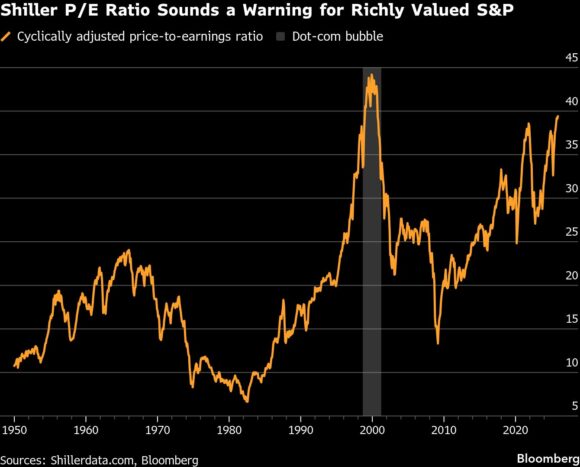
Crucially, investor scrutiny of the AI boom is pervasive and intense. Discussions about a potential AI bubble are widespread, with financial news outlets and analysts constantly weighing in. This contrasts with the “irrational exuberance” that often characterizes the peak of a bubble, where skepticism is minimal. The very act of questioning whether is AI stock market a bubble suggests a healthy level of caution that could prevent more extreme market movements. This vigilance is a positive sign for the market’s stability.
The sheer scale of capital expenditure committed by Big Tech and AI innovators like OpenAI is staggering, amounting to hundreds of billions of dollars. These massive investments in AI infrastructure, while fueling growth, also raise questions about their eventual returns and the potential for oversupply. Recent OpenAI investment news highlights commitments potentially exceeding a trillion dollars, a figure that, for a privately held company, demands careful consideration regarding its financial structure and sustainability. This level of investment, while indicative of belief in AI’s future, also carries inherent risks.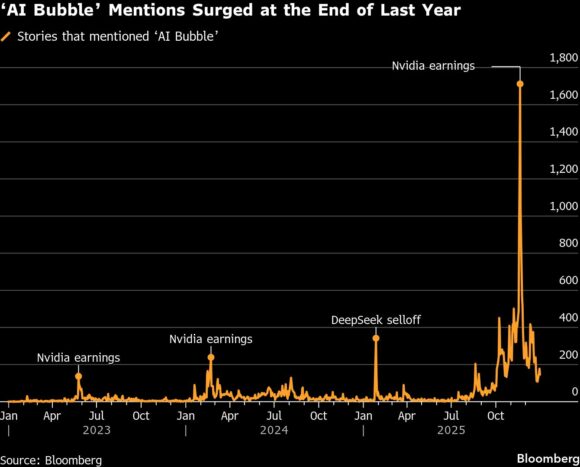
For those concerned about potential market volatility, various hedging strategies can mitigate risk. Diversification into less correlated assets, such as value stocks or commodities, is a common approach. Some experts suggest exploring tech stocks vs value stocks as a way to balance a portfolio, especially if growth stocks appear overextended. A cautious approach for new investors might involve dollar-cost averaging into broad market indices rather than concentrating on individual, highly volatile AI names.
Ultimately, whether is AI stock market a bubble remains a complex question without a simple answer. While historical parallels offer valuable lessons, the unique characteristics of the current AI revolution, coupled with stronger underlying fundamentals for many key players and heightened investor awareness, differentiate it from past speculative manias. Continuous monitoring of market dynamics, corporate earnings, and investor sentiment will be essential for navigating this transformative period. A thorough stock market bubble analysis 2026 will likely continue to debate these very points, highlighting the ongoing evolution of the investment landscape.