

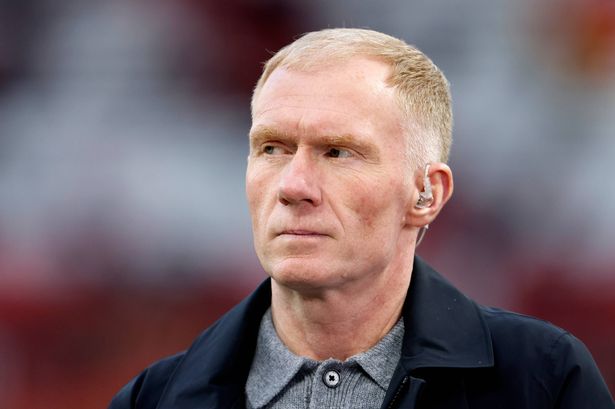
Analyzing the Paul Scholes – Manchester United Manager Dynamic: More Than Just Punditry?
Paul Scholes’ recent criticism of Manchester United manager Ruben Amorim, specifically regarding comments about Kobbie Mainoo, raises interesting questions. It’s easy to dismiss it as another pundit offering an opinion, but Scholes’ history suggests there’s more at play here. He’s not just commenting; it appears he is influencing.
This isn’t new territory for Scholes. We’ve seen him voice strong opinions on previous United managers, notably Erik ten Hag and Ralf Rangnick. Remember how he suggested Ten Hag’s time was up after that Crystal Palace defeat? Ten Hag, despite winning the FA Cup, was eventually replaced. With Rangnick, Scholes questioned his suitability for the job from the start. Both periods ended prematurely.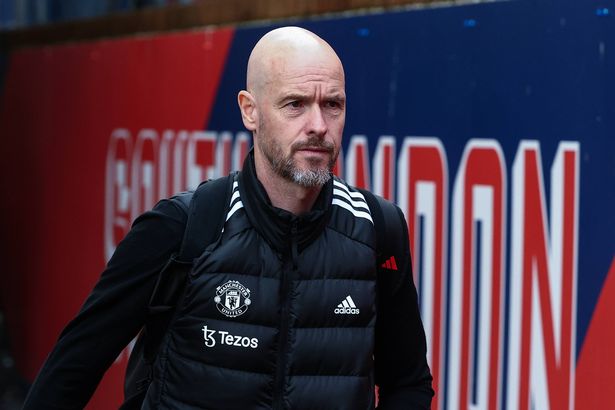 >
>
The article suggests Scholes’ comments can be a “final nail in the coffin” for United managers. That’s a strong statement. Yet, considering past events, it carries some weight. Does Scholes truly wield that much influence? Is it simply that his criticisms resonate with a disgruntled fanbase, thus amplifying pressure on the club’s leadership? Or is something else happening behind the scenes?
Amorim’s situation warrants closer scrutiny. He publicly identified Mainoo as a key player, only for the youngster to remain on the fringes of the starting eleven. Scholes saw this as detrimental to Mainoo’s development, even suggesting a transfer might be best for the player’s career. He didn’t hold back.
There’s a possible disconnect between what Amorim says and what he does. Maybe he is trying to manage expectations or perhaps there are other factors at play – injuries, tactics, or simply a difference of opinion on Mainoo’s readiness. >
>
The article mentions Sir Jim Ratcliffe’s intention to evaluate the manager after three years. That sounds like a vote of confidence, however, that timeline might be accelerated if results don’t improve or if the pressure from external voices, like Scholes, intensifies.
It is worth asking: Is Scholes being overly critical? Is he expecting too much too soon? The Premier League is fiercely competitive. Manchester United, currently eighth in the league, faces constant pressure to deliver results. That environment breeds impatience.
One aspect that gets overlooked is the role of home-grown talent. Scholes, himself a product of United’s youth academy, understandably champions young players like Mainoo. He likely feels a sense of responsibility to speak out when he believes their development is being mishandled. It is a noble stance, though perhaps a bit emotionally invested.
Still, consider the power dynamics. Scholes is a club legend. His words carry significant weight with fans, and likely, within the club’s hierarchy. When he criticizes, it’s not the same as a regular pundit doing so.
What I’ve learned over the years covering the sport is that timing is everything. Public criticism, especially from influential figures, can shift the narrative quickly. It’s not solely about the validity of the critique, but the impact it has on the club’s overall atmosphere and the manager’s authority.
So, what’s the likely outcome? It’s hard to say definitively. Amorim’s recent record—one loss in eight league matches—suggests some stability. But the Premier League is volatile. A few bad results, coupled with continued criticism, could easily turn the tide.
Given these facts, it is reasonable to propose that Amorim needs to manage not just his team and tactics but also the public perception of his decisions. Winning games is paramount, of course. But demonstrating a clear plan for integrating young talent and addressing concerns raised by figures like Scholes might be just as crucial for his long-term job security at Manchester United.
Ultimately, the Scholes-Amorim dynamic highlights the complex interplay between club legends, managerial authority, and the relentless pressure to succeed in modern football. It’s a narrative that goes beyond simple punditry; it’s a reflection of the deep-seated passions and expectations that surround a club like Manchester United.

![[post_title]](https://samony.com.ng/wp-content/uploads/2025/12/Tinubus-Tax-Reforms-Committee-Selects-Top-20-Nigerian-Content-Creators.png?lm=69341327 "Nigeria’s Taxman Wants to Train Creators: Smart Move, or Red Flag?")
![[post_title]](https://samony.com.ng/wp-content/uploads/2025/12/1765020496_Ant-and-Dec-almost-killed-me-twice-in-the-jungle-300x158.jpg?lm=69341350 "“I’m a Celeb” Claims: Reality TV’s Safety Gamble")
![[post_title]](https://samony.com.ng/wp-content/uploads/2025/12/NAssembly-on-spotlight-as-lawmakers-vote-on-state-police-others-300x161.jpg?lm=693414A3 "Nigeria’s National Assembly Set to Vote on Sweeping Constitutional Reforms")
![[post_title]](https://samony.com.ng/wp-content/uploads/2025/12/1765020299_Investing-100-per-person-in-PHC-can-prevent-90-of-300x169.jpg?lm=6934128C "$100 Per Child: The Primary Healthcare Investment That Must Be More Than Just a Number")


![[post_title]](https://samony.com.ng/wp-content/uploads/2025/12/1765020496_Ant-and-Dec-almost-killed-me-twice-in-the-jungle-1024x538.jpg?lm=69341351 "“I’m a Celeb” Claims: Reality TV’s Safety Gamble")
