The ongoing Iran internet blackout explained reveals a nation grappling with profound internal unrest and escalating digital censorship. As widespread anti-regime protests sweep across Iran, fueled by a severe economic crisis and deep-seated anger, authorities have frequently resorted to drastic measures, including cutting off internet access to suppress dissent and control the flow of information. This strategic move aims to isolate protesters and prevent real-time communication, making it challenging for the outside world to grasp the full scale and intensity of the demonstrations.
What is the Iran internet blackout? The Iran internet blackout refers to a nationwide disruption of internet services, implemented by the Iranian government, to restrict communication and information sharing during periods of intense anti-regime protests. This measure significantly limits citizens’ access to global networks and social media platforms.
Reports from internet monitoring groups like Netblocks have consistently highlighted the severity of these restrictions, often showing national connectivity plummeting to as low as 1% of ordinary levels. Such extensive outages severely hinder the public’s right to communicate and report on events, creating an information vacuum. For many Iranians abroad, contacting family members becomes impossible, underscoring the profound human impact of this digital censorship. Understanding the nuances of the Iran internet blackout update is crucial for grasping the country’s current challenges.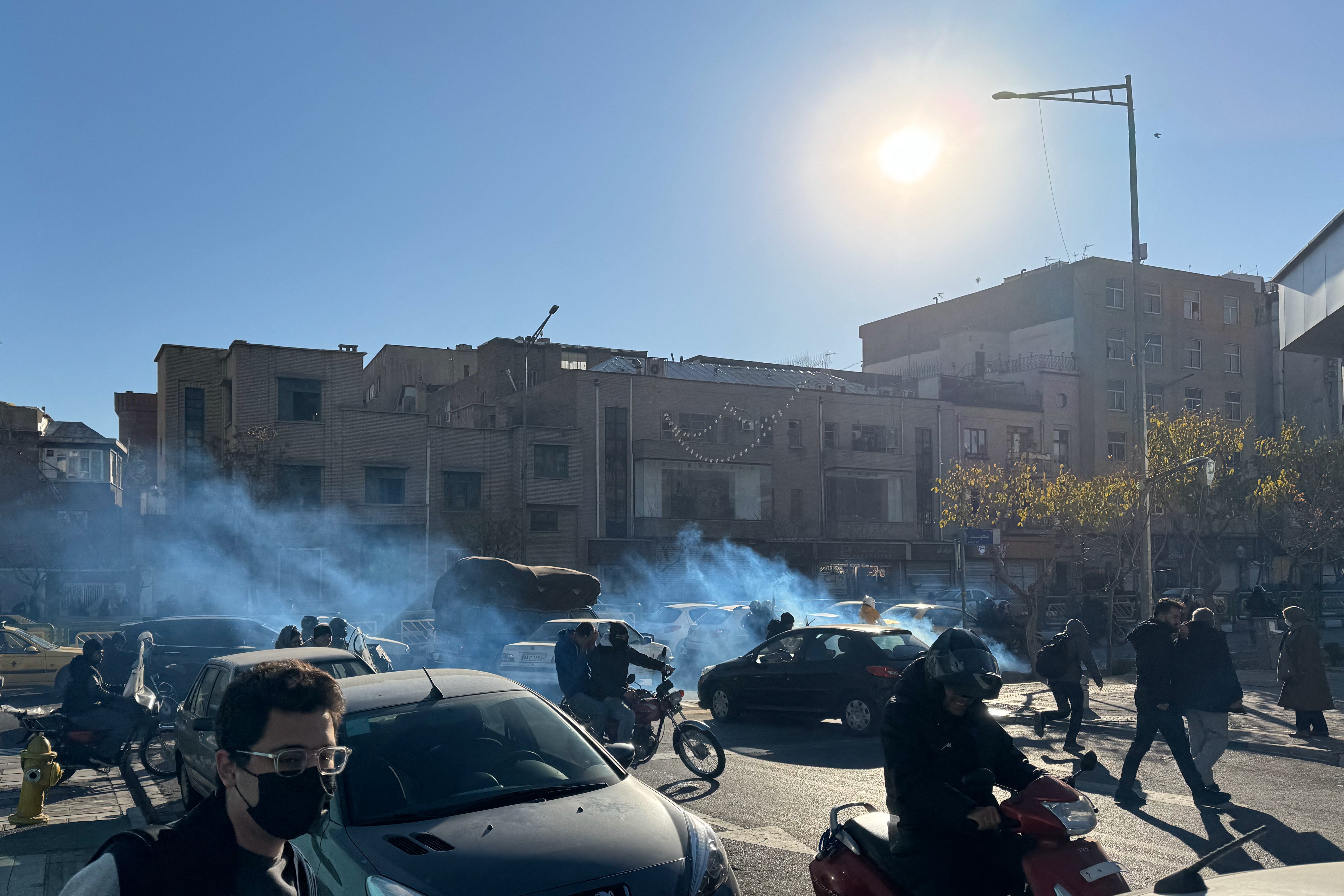
Why are Iran protests happening? The current wave of unrest is deeply rooted in a widening Iran economic crisis explained by the collapse of the national currency, the rial, coupled with an annual inflation rate hovering around 40 percent. This has led to soaring prices for essential goods like meat, rice, and other staples. The government’s decision to adjust prices for nationally subsidized gasoline and other basic commodities has further pressured an already struggling populace, making the iran economic forecast 2026 look grim without significant policy changes.
While economic grievances initially sparked some demonstrations, the protests quickly evolved to include widespread anti-government sentiment. Years of simmering anger over corruption, lack of freedoms, and the rigid policies of the Islamic Republic have reached a boiling point. The tragic death of 22-year-old Mahsa Amini in police custody, following her arrest for allegedly violating hijab rules, served as a powerful catalyst, igniting nationwide outrage and calls for fundamental change, a key aspect for those seeking iran protests for beginners.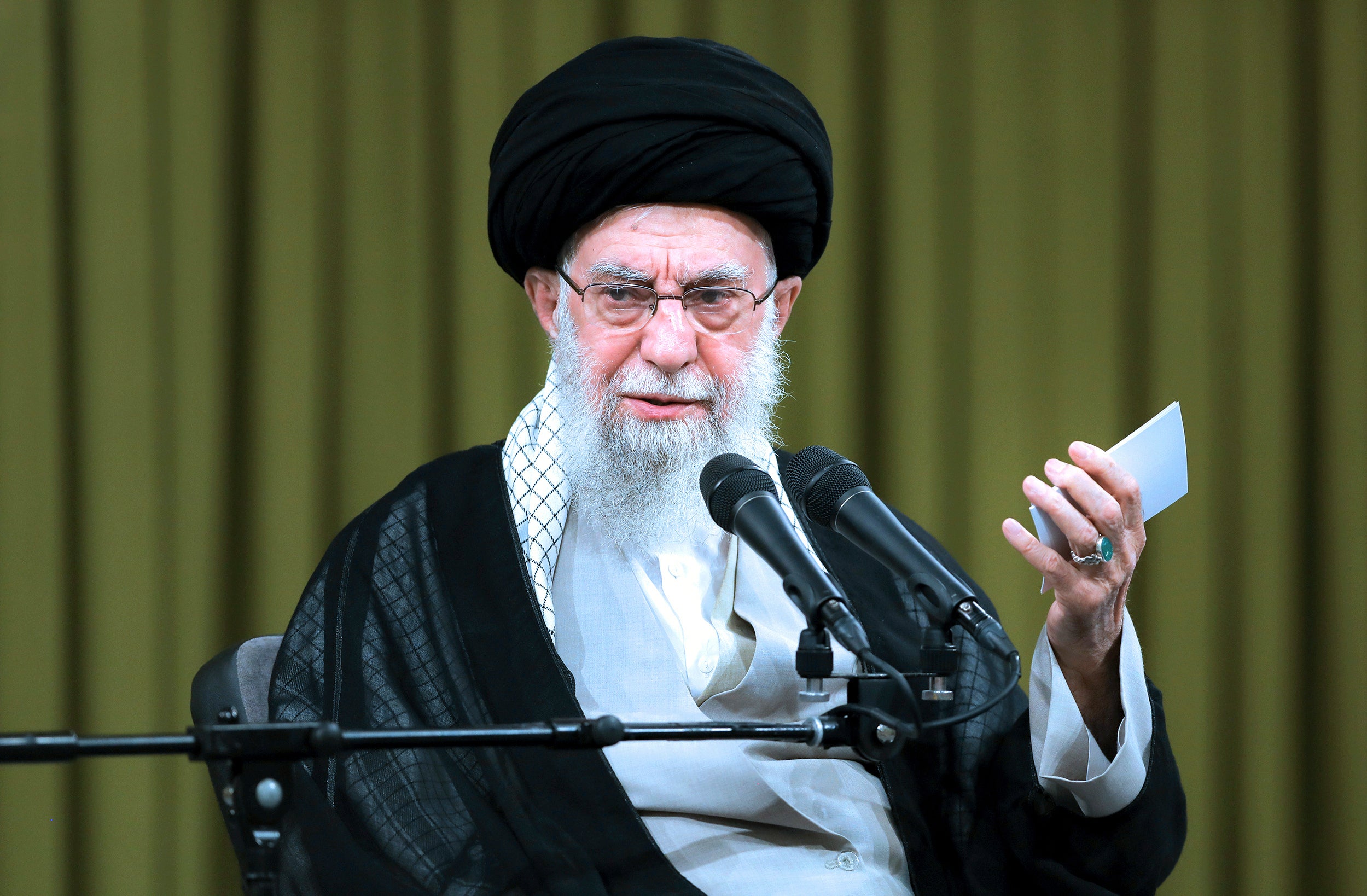
In response to the escalating unrest, Supreme Leader Ayatollah Ali Khamenei has adopted a firm stance, publicly stating that “rioters must be put in their place” and that the Islamic Republic “will not back down.” The government blames “terrorist agents” from foreign powers for instigating the unrest, a common narrative used to delegitimize internal dissent. This rhetoric often accompanies a heavy-handed crackdown, including mass arrests and violent clashes with security forces, leading to significant casualties as reported by human rights organizations. The iran protests latest news frequently highlights these confrontations.
The internal turmoil in Iran also reverberates across its network of regional allies, often referred to as the “Axis of Resistance.” Key players like Hezbollah in Lebanon and various factions in Syria and Yemen, which have historically relied on Iranian support, are facing their own challenges. Recent conflicts and military actions in the broader Middle East have weakened some of these groups, and the ongoing domestic instability within Iran could further strain its ability to project influence and support its proxies, creating a complex geopolitical landscape. This period draws comparisons when considering iran protests vs 2009 green movement.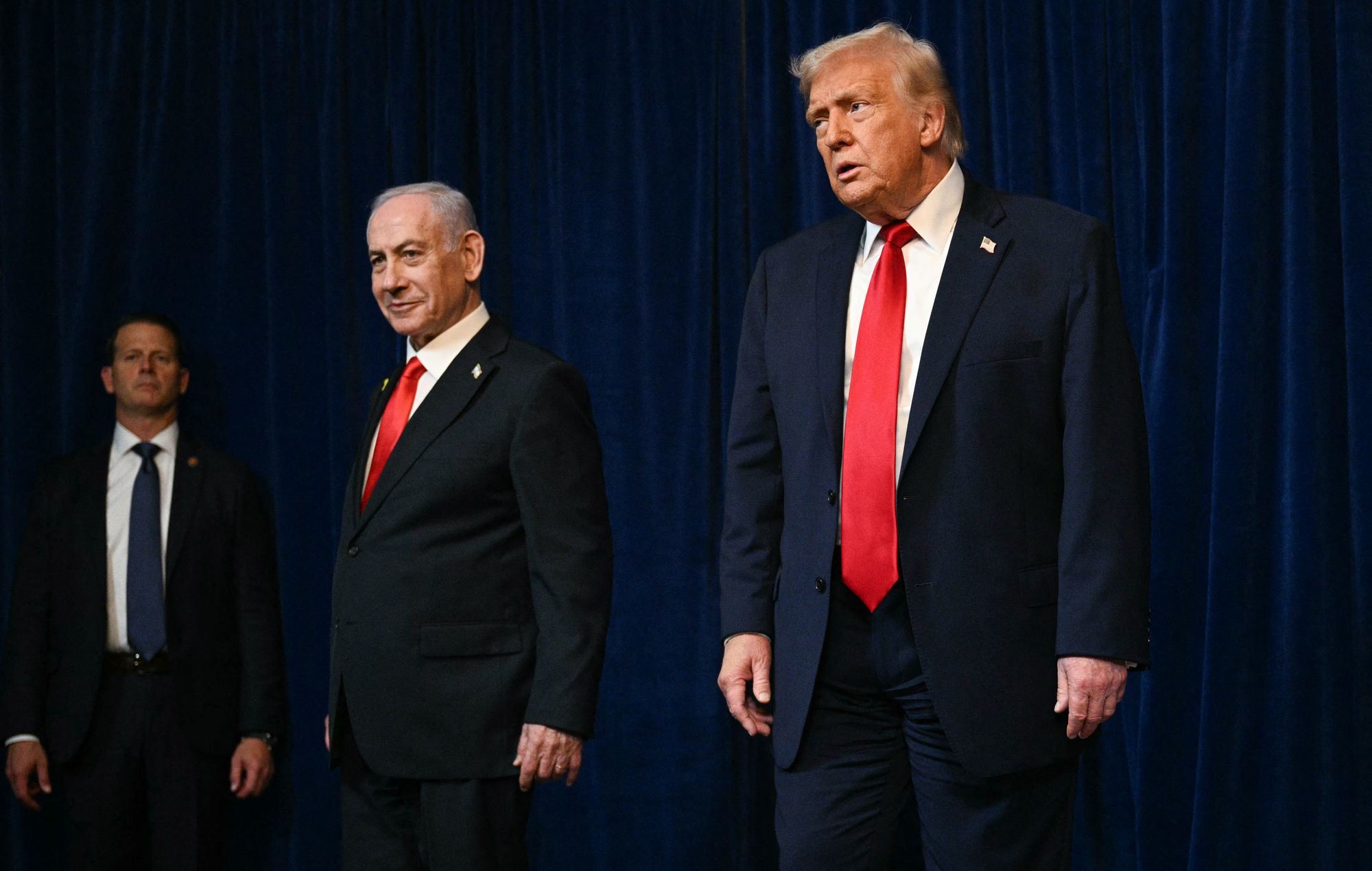
Concerns about Iran’s nuclear capabilities remain a critical international issue, especially in light of the domestic unrest. Despite Tehran’s decades-long insistence that its nuclear program is solely for peaceful purposes, its actions, such as enriching uranium to near weapons-grade levels, have raised alarms globally. The International Atomic Energy Agency (IAEA) has repeatedly expressed worries over Iran’s reduced cooperation, with some officials warning of the country’s potential to develop multiple nuclear bombs should it decide to weaponize its program. This ongoing tension is distinct when comparing the iran nuclear program vs 2015 deal.
Accusations of US and Israeli involvement in the protests are a recurring theme in Iranian state media and official statements. Historically, relations between Iran and the United States have been fraught with tension, marked by events such as the 1979 Islamic Revolution, the hostage crisis, and US support for Iraq during the Iran-Iraq war. More recently, the unilateral withdrawal of the US from the 2015 nuclear deal by the Trump administration reignited hostilities and led to increased sanctions, contributing to Iran’s current economic woes and fueling anti-Western sentiment. The iran political outlook 2026 will heavily depend on these international dynamics.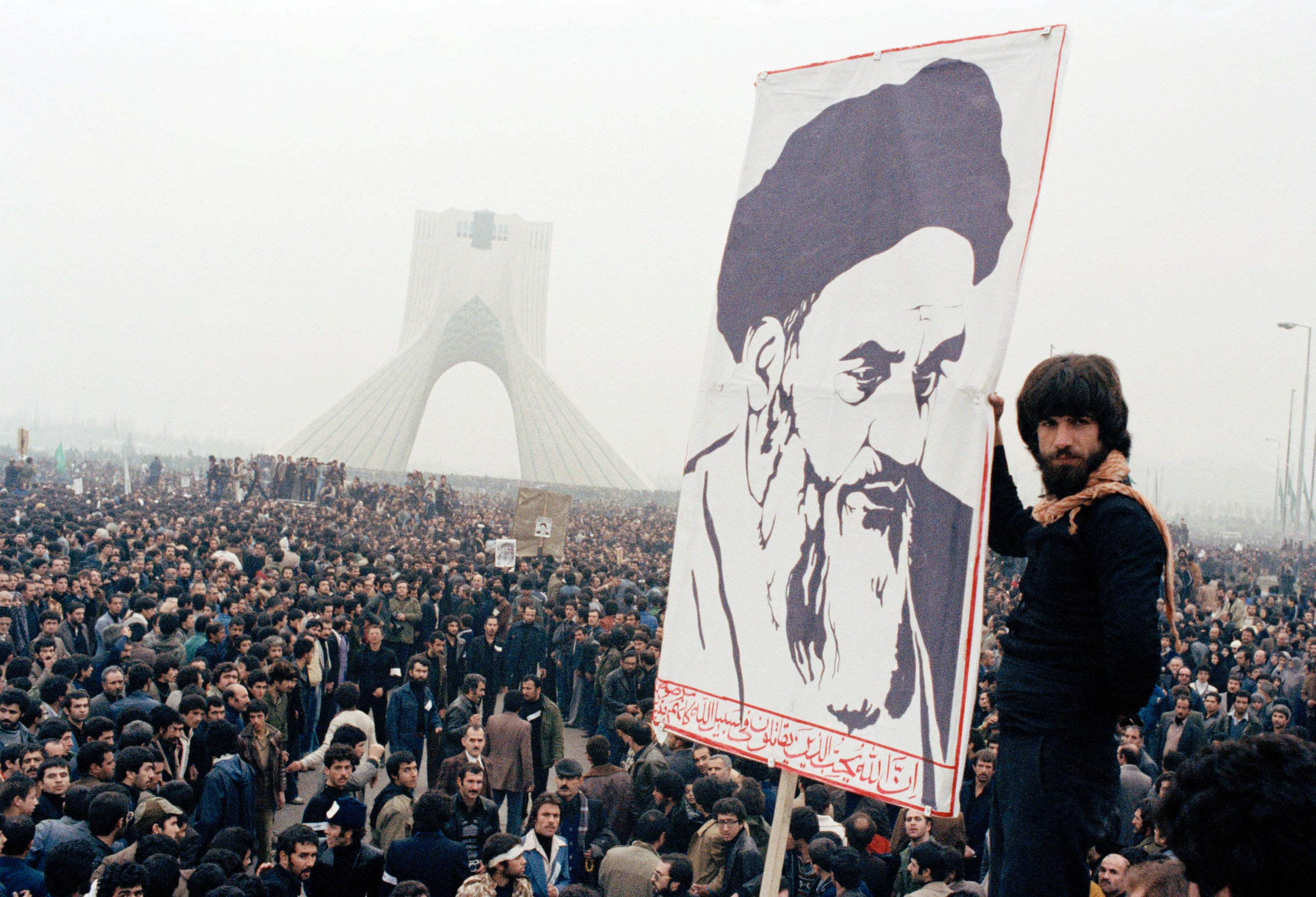
The complex history between Iran and the US dates back to the era of Shah Mohammad Reza Pahlavi, who was a key American ally in the Middle East. However, the 1979 revolution fundamentally reshaped this dynamic, transforming Iran into an anti-Western theocracy. This deep-seated historical antagonism continues to influence official narratives and public perception within Iran, making it easier for the government to deflect blame for internal problems onto external adversaries. The ongoing cycle of accusations and counter-accusations perpetuates a climate of mistrust and geopolitical tension that is crucial to understand for those new to the topic.
As the protests persist and the Iran internet blackout explained continues to impact daily life, the country faces an uncertain future. The confluence of economic hardship, political repression, and international scrutiny creates a volatile environment. The world watches to see how the Iranian government will navigate these multifaceted challenges and whether the demands for change from its populace will lead to significant reforms or further entrenchment of the current regime.