


Hundreds of Bengali-speaking Muslims have been detained and deported from India to Bangladesh in recent months, sparking accusations of due process violations and targeting based on linguistic and religious identity. The deportations, primarily occurring from Delhi, have drawn sharp criticism from regional governments and human rights advocates, who allege that individuals are being expelled without proper verification of their claims to Indian citizenship.
One such case involves Sunali Khatun, a pregnant woman from West Bengal, who was deported to Bangladesh in June with her husband and son. Detained in Delhi on suspicion of being an illegal immigrant, the family was subsequently jailed in Bangladesh for unlawful entry. Their deportation ignited national headlines and prompted accusations from the West Bengal government against the federal government for the alleged arbitrary expulsion.
While official data on the deportations remains scarce, sources within the Bangladeshi government suggest that over 1,200 individuals were “illegally pushed in” from India in May alone. Reports from the government-run All India Radio indicated that approximately 700 people were sent back from Delhi during the same period, highlighting the scale of the ongoing detentions and expulsions.
India and Bangladesh share a long and porous border, with a history of migration influenced by economic opportunities and religious persecution. West Bengal, situated along this frontier, has historically witnessed significant population movements. However, rights activists contend that the current wave of deportations specifically targets Muslims who speak Bengali, a common language in both regions, and is being carried out without adherence to established legal procedures.
Ms. Khatun and her family, along with three neighbours, were reportedly deported after authorities cited a lack of documentation proving their legal status in India. Under standard protocols, authorities are expected to verify a suspected migrant’s claims with their home state, a step that rights advocates argue was not taken in Ms. Khatun’s case. The West Bengal Migrant Workers Welfare Board chairman has confirmed this procedural lapse.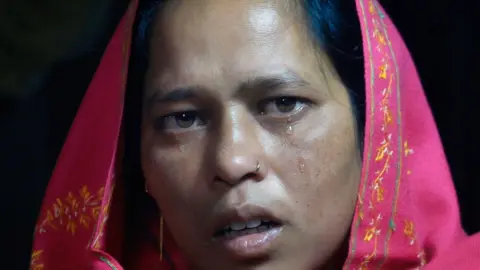
Following intervention from India’s Supreme Court, which urged a return on humanitarian grounds pending citizenship investigation, Ms. Khatun was allowed to return to India in December. She is now living with her parents in West Bengal, anxiously awaiting the birth of her child in January, while her husband remains in Bangladesh, having been released on bail. The separation has taken a significant emotional toll on the family.
Ms. Khatun recounts harrowing experiences during her detention and deportation, alleging that her family and neighbours were flown to the India-Bangladesh border and forcibly crossed by paramilitary personnel. She describes being left in a dense forest in Bangladesh and facing violence from border guards when attempting to re-enter India. The BBC has sought a response from the Border Security Force regarding these allegations.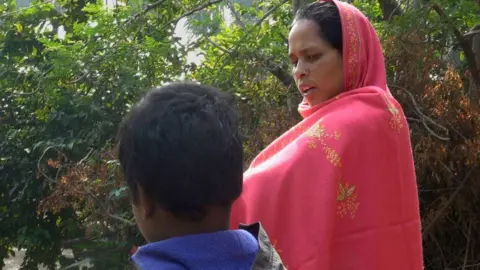
Upon reaching Dhaka, the group struggled with lack of resources before their arrest and subsequent imprisonment. Ms. Khatun described inadequate prison conditions, particularly for a pregnant woman, and the constant fear experienced alongside her young son. The BBC has also reached out to Bangladesh’s home and prisons departments for comment on her claims.
Back in India, Ms. Khatun’s family has been engaged in legal battles to establish her citizenship and facilitate her return. Despite the financial hardships she faces, Ms. Khatun expresses a firm resolve not to return to Delhi, prioritizing her family’s well-being and dignity over future prospects in the capital city.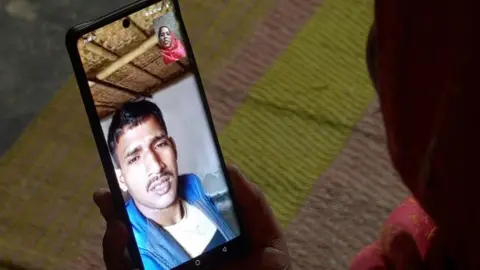


![[post_title]](https://samony.com.ng/wp-content/uploads/2025/12/2027-Tinubus-Re-Election-Our-Collective-Task-Fubara-Tells-Supporters-In-Rivers-300x172.png?lm=6945322C "Rivers Governor Fubara Rallies Support for Tinubu’s 2027 Bid Amid Road Project")
![[post_title]](https://samony.com.ng/wp-content/uploads/2025/12/1766142260_Lancashire-hit-by-second-earthquake-in-two-weeks-as-Brits-300x158.jpg?lm=69453136 "Lancashire Experiences Second Notable Earthquake in Two Weeks")
![[post_title]](https://samony.com.ng/wp-content/uploads/2025/12/If-Your-Husbands-Come-Home-Late-Or-Refuse-To-Eat.webp-300x182.webp "Ghana Police: Denying Spouse Sex, Food, Late Returns Can Be Abuse")
![[post_title]](https://samony.com.ng/wp-content/uploads/2025/12/1766141038_SharpSpring-CRM-review-TechRadar-300x171.png?lm=69452C70 "SharpSpring CRM Review: Integrated Marketing Automation for SMBs")
![[post_title]](https://samony.com.ng/wp-content/uploads/2025/12/1766141188_Time-to-Prepare-for-Disasters-Like-They-Could-Happen-to-300x169.jpg?lm=69452D07 "US Natural Disasters Intensify, Urging Widespread Preparedness")

![[post_title]](https://samony.com.ng/wp-content/uploads/2025/12/1766143590_Russell-Brand-slams-Katy-Perrys-relationship-with-Justin-Trudeau-in.jpeg?lm=69453666 "Russell Brand Comments on Katy Perry, Justin Trudeau Romance Amid Charges")


![[post_title]](https://samony.com.ng/wp-content/uploads/2025/12/2027-Tinubus-Re-Election-Our-Collective-Task-Fubara-Tells-Supporters-In-Rivers.png?lm=6945322B "Rivers Governor Fubara Rallies Support for Tinubu’s 2027 Bid Amid Road Project")
