

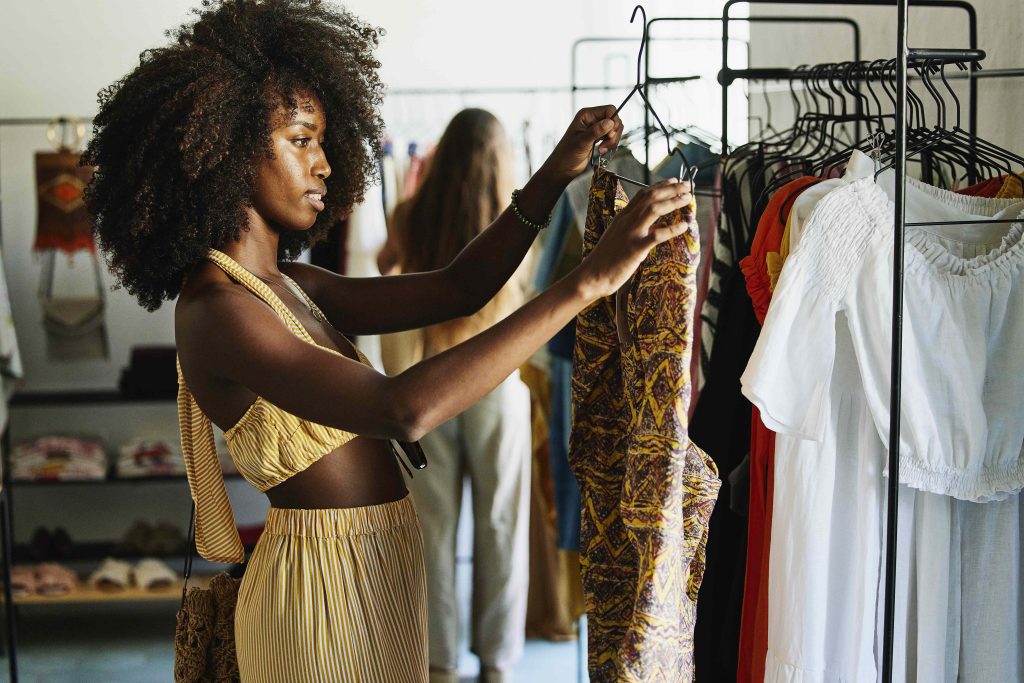
The Impulse Economy: Are We Buying Happiness or Just Stuff?
Social media has morphed impulse buys into a daily event. One-click checkouts are now the norm, making spending frictionless. It is easy to buy without thinking. But is this convenience truly beneficial?
Some voices push back. You see influencers questioning this very cycle, urging people to reconsider shopping as a pastime. It’s an interesting counter-narrative in a world of endless advertising.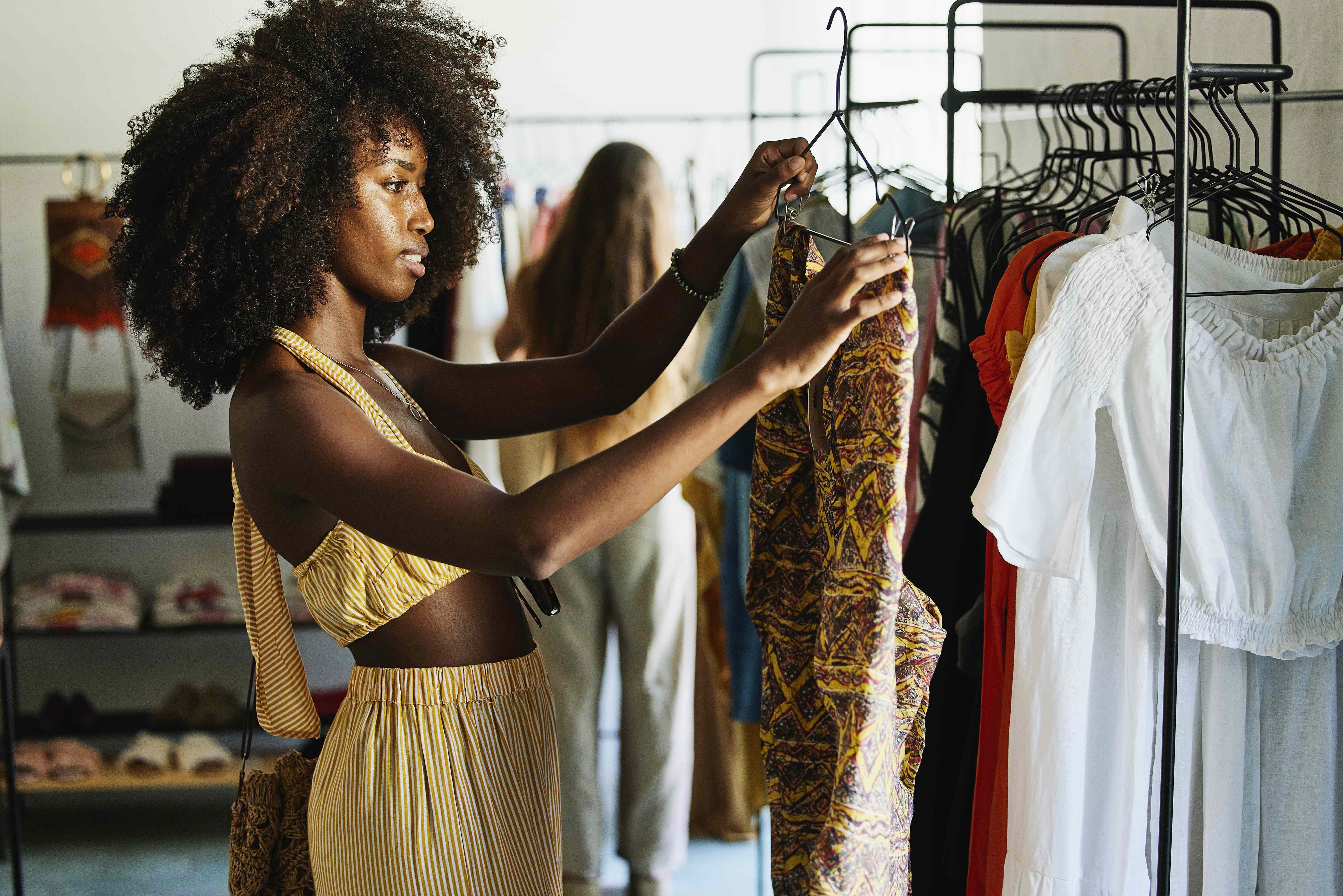 >
>
Katia Chesnok, for example, a content creator on Instagram is encouraging people to avoid shopping out of boredom.
This challenge—this constant temptation—is fueled by a perfect storm. Hyper-targeted ads find you where you are most vulnerable. Integrated payment systems remove all friction. Buy Now, Pay Later (BNPL) schemes normalize debt. This is not your grandma’s window shopping.
From what I’ve seen, unchecked impulse spending impacts financial well-being. It’s not just about the single purchase; it’s the cumulative effect, the normalization of instant gratification.>
To curb the tide, a few practical steps help. A short waiting period before a purchase? Simple, but often effective. Another idea is curating your social media feed to eliminate temptation. It’s also worth noting that BNPL loans, while convenient, require vigilance. Late fees and interest can quickly spiral out of control.
The “stop buying stuff” movement is not about deprivation. Rather, it advocates mindfulness. Are we purchasing to fill a void or to satiate boredom? This is something we should be asking ourselves.
The trends continue to point towards frictionless commerce. Yet, there’s a growing awareness of the pitfalls. It’s a complex landscape, demanding critical engagement.

![[post_title]](https://samony.com.ng/wp-content/uploads/2025/12/1764955514_World-Cup-2026-draw-live-England-Scotland-and-hosts-USA-300x200.jpg?lm=6933157E "2026 World Cup Draw: Geopolitics and Growing Pains")
![[post_title]](https://samony.com.ng/wp-content/uploads/2025/12/Pressure-growing-on-Pete-Hegseth-as-GOP-and-Democrats-unite-300x200.jpg?lm=69331383 "Hegseth Under Fire: War Crime Accusations or Political Hit Job?")
![[post_title]](https://samony.com.ng/wp-content/uploads/2025/12/What-I-Told-My-Daughter-When-She-Said-She-Wants.webp "Beyond the Aisle: Redefining Wedding Value in a Changing Landscape")
![[post_title]](https://samony.com.ng/wp-content/uploads/2025/12/1764955183_Martin-Kemp-tells-how-wife-Shirlie-told-him-she-loved-300x158.jpg?lm=69331432 "The Enduring Power of “I Love You”: Authenticity, Family, and the Evolving Celebrity Landscape")


![[post_title]](https://samony.com.ng/wp-content/uploads/2025/12/Spurs-U19s-vs-Slavia-Prague-U19s-UEFA-Youth-League.jpg?lm=69331A85 "Tottenham Hotspur U19s vs. Slavia Prague U19s: How to Get Free Tickets")
![[post_title]](https://samony.com.ng/wp-content/uploads/2025/12/Landlord-dumps-kidnapped-tenants-belongings-outside-after-months-of-waiting-1024x512.jpg?lm=69331AFD "Missing Tenant, Landlord’s Loss: Has Compassion Left the Rental Market?")
![[post_title]](https://samony.com.ng/wp-content/uploads/2025/12/1764955514_World-Cup-2026-draw-live-England-Scotland-and-hosts-USA-1024x683.jpg?lm=6933157E "2026 World Cup Draw: Geopolitics and Growing Pains")
![[post_title]](https://samony.com.ng/wp-content/uploads/2025/12/Pressure-growing-on-Pete-Hegseth-as-GOP-and-Democrats-unite-1024x683.jpg?lm=69331388 "Hegseth Under Fire: War Crime Accusations or Political Hit Job?")
