

Analyzing Youth Football Development: Is “Continuous Progression” a Real Strategy?
Ikorodu City FC’s recent success, highlighted by their B-squad’s Supremacy Cup 2025 triumph, sparks a deeper look into youth football development models, especially in Nigeria. Richard Okwashi, the Ikorodu City coordinator, attributes their accomplishments to “continuous progression,” a system where players seamlessly transition between the senior team, the B-squad, and feeder teams. It sounds promising, but does it hold up under scrutiny?
The article paints a rosy picture. Ikorodu City’s senior squad is performing well in the NPFL, their junior team shines in a local league, and the B-squad snagged a trophy. Resources appear plentiful, with the chairman, Mr. Sanmi Doherty, seemingly providing everything necessary. They even boast two training camps in Surulere. It’s a well-oiled machine, at least on paper. >
>
Yet, something feels incomplete. This “continuous progression” model isn’t exactly novel. Many academies preach it, but the execution proves elusive. The devil, as always, is in the details.
What specific metrics define “progression” at Ikorodu City? Is it simply age-based advancement, or is there rigorous performance analysis guiding these decisions? What’s the coach-to-player ratio at each level, and how much individual attention do developing talents receive? These questions remain unanswered.
It’s great that players theoretically “easily move from one level to the other.” But what happens to players who don’t progress? Are they offered alternative pathways, or are they simply discarded? The ethical responsibility of academies towards these players is often overlooked.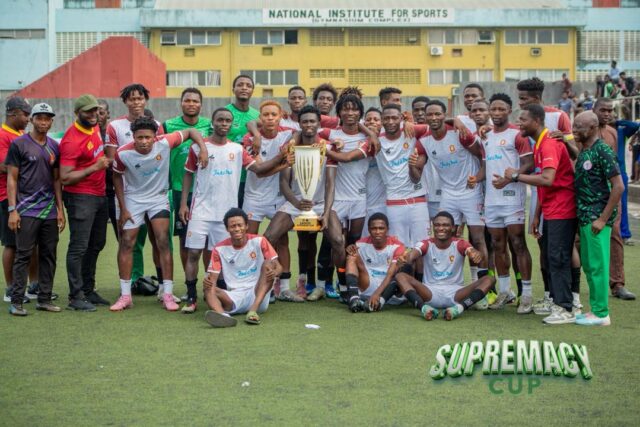 >
>
The article mentions joint-head coaches for the B-team, Adebayo Bello and Emmanuel Otukpe. This setup raises a question. Does shared responsibility lead to diluted accountability? Perhaps their relief stemmed not just from victory, but from navigating the complexities of co-management.
Okwashi’s mention of Mr. Doherty’s support is crucial. Consistent funding is the lifeblood of any successful youth development program. But the long-term sustainability of this financial commitment is a lingering concern. What happens if Mr. Doherty’s priorities shift? Diversifying revenue streams is essential for long-term stability.
Beyond Limit FA, the team Ikorodu City B defeated in the Supremacy Cup final, deserves recognition. Losing on penalties is a harsh outcome, and their presence in the final suggests they’re doing something right. A deeper dive into their development philosophy would offer a valuable contrast.
It’s worth observing that the Supremacy Cup victory, while commendable, shouldn’t be the sole benchmark of success. Ultimately, the true measure lies in the number of players progressing to professional careers, both domestically and internationally. How many Ikorodu City alumni are currently playing in top-tier leagues? That’s the statistic that truly matters.
Amos Paul, mentioned in a related article as “showing remarkable versatility,” exemplifies the type of success story every academy craves. Identifying, nurturing, and showcasing such talent is what separates the wheat from the chaff.
The mention of Vitalis Chukwu, a former Golden Eaglets invitee seeking a coaching job, underscores the cyclical nature of football. Players retire, coaches evolve, and the quest for opportunity persists. His experience could be invaluable for young players navigating the often-turbulent waters of professional football.
The third-place match, where 36 Lion FC “took out their anger” on Tripple 44, highlights the emotional intensity of youth football. While winning is important, teaching players to manage their emotions, both in victory and defeat, is a crucial life skill.
Given these observations, the “continuous progression” model at Ikorodu City seems promising, but requires further investigation. Transparency regarding player evaluation metrics, career pathways for non-progressing players, and long-term financial planning is paramount. Trophies are nice, but the real victory lies in fostering sustainable development and empowering young athletes to reach their full potential. The Nigerian football landscape needs more than just wins; it craves well-rounded development programs that prioritize the player above all else. And for that, continuous progression must be more than just a slogan.

![[post_title]](https://samony.com.ng/wp-content/uploads/2025/12/1764889481_Minnesota-schools-forced-into-lockdown-as-mountain-lion-roams-through-300x200.png?lm=6932138D "Mountain Lion Lockdown: Are Duluth Schools Ready for Wild Encounters?")
![[post_title]](https://samony.com.ng/wp-content/uploads/2025/12/Miley-Cyrus-Confirms-Engagement-To-Musician-Maxx-Morando-After-Four-Year-300x200.jpg?lm=693214BF "Miley’s Engaged: Is This What True Love in Hollywood Looks Like Now?")


![[post_title]](https://samony.com.ng/wp-content/uploads/2025/12/Ruben-Amorim-provides-details-on-Matthijs-De-Ligts-injury-300x169.jpg?lm=6931FE5C "Youth Opportunity or Tactical Risk: Navigating United’s Defensive Void")

![[post_title]](https://samony.com.ng/wp-content/uploads/2025/12/Cruzeiro-explica-ausencia-de-zagueiro-contra-o-Botafogo-pelo-Brasileiro-1024x614.jpg?lm=69321AD8 "Cruzeiro Defender’s Absence Highlights Team Strategy and Player Well-being Trends")
![[post_title]](https://samony.com.ng/wp-content/uploads/2025/12/Bandits-strike-in-Kwara-abduct-2-Chinese-nationals-from-construction-1024x512.jpg?lm=69321B26 "Kwara Kidnappings: Banditry and Security Crisis Deepen")
![[post_title]](https://samony.com.ng/wp-content/uploads/2025/12/1764889481_Minnesota-schools-forced-into-lockdown-as-mountain-lion-roams-through-1024x683.png?lm=6932138F "Mountain Lion Lockdown: Are Duluth Schools Ready for Wild Encounters?")
![[post_title]](https://samony.com.ng/wp-content/uploads/2025/12/Miley-Cyrus-Confirms-Engagement-To-Musician-Maxx-Morando-After-Four-Year-1024x683.jpg?lm=693214BF "Miley’s Engaged: Is This What True Love in Hollywood Looks Like Now?")
