

Analyzing Kelechi Iheanacho’s Fitness: A Critical Look at Celtic’s European Hopes
Martin O’Neill’s cautious update on Kelechi Iheanacho’s fitness ahead of Celtic’s crucial Europa League clash with Feyenoord raises some interesting questions. The Nigerian forward, sidelined for over a month with a hamstring injury, has only just returned to training. This timing couldn’t be more sensitive for the club.
Iheanacho’s absence has undoubtedly been felt. He scored three goals and provided one assist in his eight appearances since joining Celtic in September. Those numbers demonstrate an initial impact, and his return could boost their attacking options, something they clearly crave right now. Still, hamstring injuries are tricky. Rushing him back could easily lead to a relapse, potentially sidelining him for an even longer period. >
>
O’Neill’s carefully chosen words – “The amount of work they haven’t done will be something I look at over the next 24 hours” – speak volumes. It suggests a detailed assessment is underway, balancing the need for Iheanacho’s talent with the risk of aggravating the injury. This challenge is common in sports. Managers constantly juggle player welfare with the immediate demands of competition. I’ve witnessed this balancing act time and time again.
The key question is: how much can Celtic realistically expect from Iheanacho, even if he is deemed fit enough to feature? He’s been out for a significant period. Match fitness is entirely different from training fitness. Can he truly impact the game against Feyenoord after such a layoff? Or would he be more effective as an impact substitute, gradually easing back into the team?
It’s worth noting O’Neill’s response when asked if Iheanacho brings qualities the team has been missing. His succinct “I think the short answer would be yes” highlights the perceived void in Celtic’s attack. Is this a reflection of the team’s over-reliance on Iheanacho in such a short time, or does it point to a broader lack of depth in their squad? Perhaps a bit of both.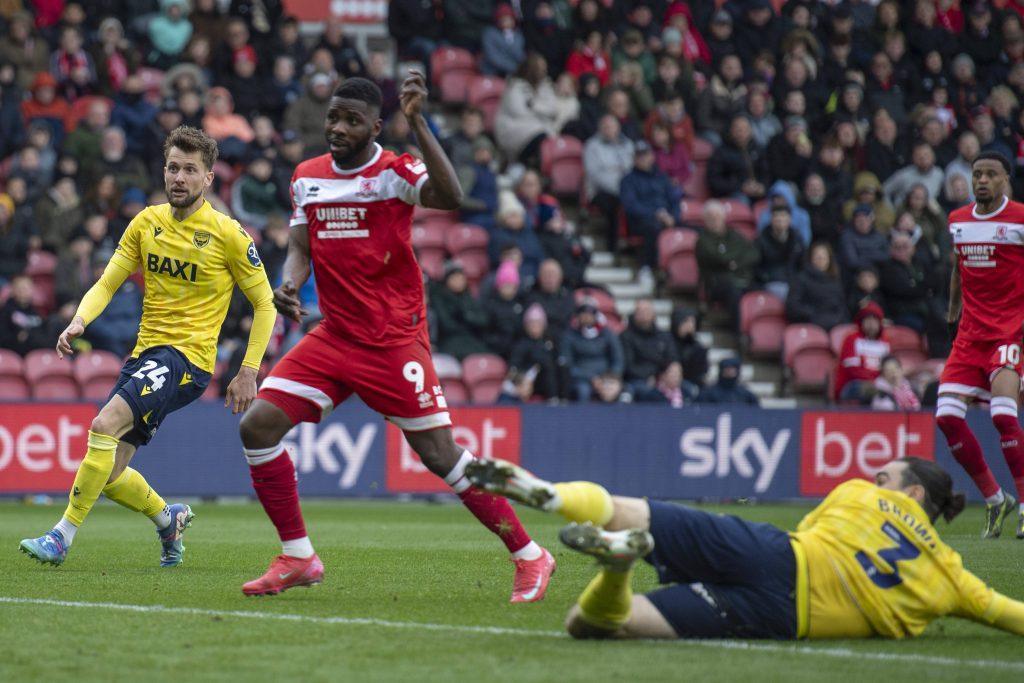 >
>
One has to consider the bigger picture for Celtic. The Europa League is a significant stage, providing both prestige and financial rewards. Advancing further in the competition could be transformative for the club. Yet, jeopardizing a player’s long-term health for short-term gain is a risky strategy. A premature return could backfire spectacularly, derailing not only their European campaign but also their domestic ambitions.
Given these facts, Celtic’s medical team will be under immense pressure. Their assessment of Iheanacho’s fitness needs to be both thorough and objective. The coaching staff, in turn, must be prepared to make a difficult decision, potentially leaving out a key player for the good of the team and the player himself. This isn’t simply about one game. It is about the weeks and months ahead.
The situation is further complicated by the nature of modern football. Player turnover is high. There is constant pressure to deliver results. Developing players patiently often takes a backseat. Celtic, like many clubs, needs Iheanacho to perform, and they need him to perform now.
Yet, from experience, I’ve learned that patience often yields the best results. A fully fit and confident Iheanacho, eased back into the team gradually, is far more valuable than a rushed one who breaks down again.
To that end, O’Neill’s measured approach is encouraging. He’s acknowledging the need for Iheanacho’s skills while remaining cautious about his physical condition. The next 24 hours will be crucial, not just for Iheanacho, but for Celtic’s European aspirations.
Looking beyond this particular game, it will be useful to examine Celtic’s overall strategy for managing player fitness and preventing injuries. Are they investing enough in sports science and rehabilitation? Are they providing adequate rest and recovery for their players? These are questions every club should be asking regularly.
Ultimately, the Iheanacho situation offers a microcosm of the challenges facing modern football clubs. Balancing short-term gains with long-term sustainability, managing player welfare in a high-pressure environment, and making difficult decisions that impact both the individual and the team. It’s a delicate balancing act, and how Celtic navigates this particular situation will be revealing. The stakes are high, and the world is watching.


![[post_title]](https://samony.com.ng/wp-content/uploads/2025/12/Womans-two-year-journey-advocating-for-Auslan-support-highlights-cracks-in-300x169.jpeg?lm=6933685D "Silenced Seniors: Deafness in Aged Care")
![[post_title]](https://samony.com.ng/wp-content/uploads/2025/12/1764976918_Trumps-White-House-trolls-Sabrina-Carpenter-in-video-about-criminal-300x158.jpeg?lm=6933691A "Content Weaponization: Trump, Carpenter, and the Meme War")
![[post_title]](https://samony.com.ng/wp-content/uploads/2025/12/1764976928_Niger-Gov-Bago-stresses-on-teamwork-synergy-among-govt-officials-300x200.jpg?lm=69336923 "Niger State’s Great Leap Forward? What Bago’s Teamwork Push Really Means")
![[post_title]](https://samony.com.ng/wp-content/uploads/2025/12/Welcome-to-the-big-leagues-Netflix-300x156.jpg?lm=693365C8 "Netflix Eyes Warner Bros: A Streaming Giant’s Hollywood Power Play?")

![[post_title]](https://samony.com.ng/wp-content/uploads/2025/12/GoT-Prequel-Unveils-Final-Trailer.jpg?lm=69336F8E "Dunk and Egg are back! Is this the Game of Thrones fix we actually need?")
![[post_title]](https://samony.com.ng/wp-content/uploads/2025/12/Womans-two-year-journey-advocating-for-Auslan-support-highlights-cracks-in.jpeg?lm=6933685C "Silenced Seniors: Deafness in Aged Care")
