

Idrissa Gueye’s Slap: A Sign of the Times in Premier League Pressure Cooker?
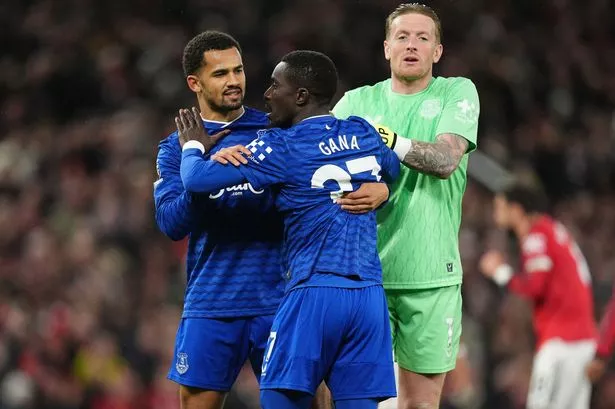
The incident involving Everton’s Idrissa Gana Gueye, where he received a red card for slapping teammate Michael Keane, has sparked considerable debate. Gueye has since issued an apology, acknowledging the gravity of his actions. Yet, the event itself, and the subsequent reactions, offer a revealing glimpse into the modern pressures of professional football.
First, let’s consider the slap itself. It’s a flash of anger, plain and simple. We’ve all seen disagreements on the pitch. Shouting, pointing, even the occasional shove. But a slap? That crosses a line. It speaks to a breakdown in communication, fueled by the intense stress of a high-stakes match. In this case, it occurred only ten minutes into the game against Manchester United, a match Everton desperately needed to secure points.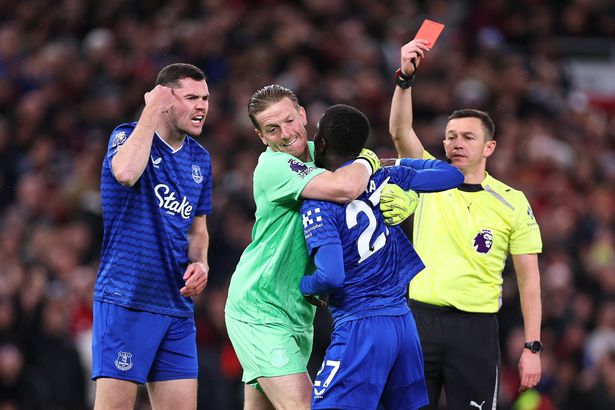 >
>
David Moyes’ response adds another layer. He stated that he “liked seeing his players fighting each other, if someone didn’t do the right action”. A controversial viewpoint, to be sure. Is this a coded endorsement of aggressive behavior? Or is it a manager acknowledging the passion—however misdirected—that can drive a team forward? It’s a tricky balance, and one that coaches constantly navigate.
Team dynamics are always complex. Years in the sport have shown me that conflict, while often detrimental, can also arise from a shared desire to win. The problem, of course, is controlling that fire, channeling it into productive teamwork rather than self-destructive outbursts. Did Gueye’s slap stem from frustration at Keane’s perceived error? Possibly. Is it acceptable? Absolutely not.
It’s worth noting that Everton managed to take the lead despite being a man down after the sending off. This could be interpreted in several ways. Did the incident galvanize the remaining players? Did it highlight a deeper issue within the team that needs addressing? Or was it simply a stroke of luck? It’s probably a combination of all three.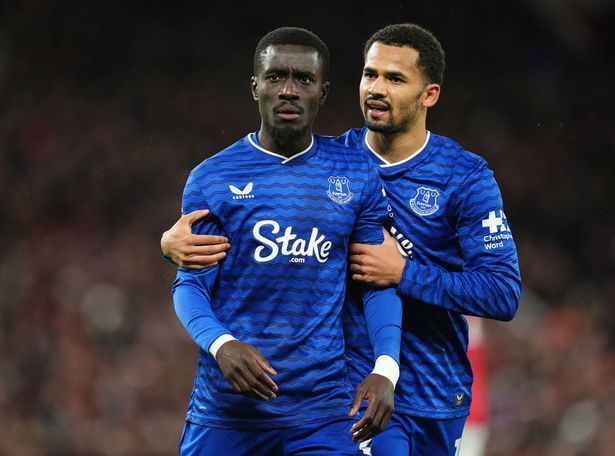 >
>
The social media apology is standard fare these days. Gueye took responsibility, apologized to Keane, his teammates, the fans, and the club. He insisted his actions didn’t reflect his values. It’s what you’d expect, and in many ways, it’s necessary to mitigate the damage to his reputation and the club’s image. However, these carefully crafted statements rarely tell the whole story. Are they genuine expressions of remorse or calculated PR moves? It’s hard to know for certain.
The bigger issue here, beyond one player’s momentary lapse, is the increasing pressure on Premier League footballers. The scrutiny is relentless, the stakes are incredibly high, and the margins for error are razor-thin. Every pass, every tackle, every decision is dissected and analyzed. This environment creates a pressure cooker where emotions can easily boil over.
Consider the financial implications. Relegation from the Premier League can be catastrophic for a club. The pressure to stay up, to perform, to secure those lucrative TV deals, trickles down to the players. Each match carries immense weight, and the fear of failure can be crippling. It’s a world where mistakes are costly and forgiveness is rare.
Player welfare is becoming a growing concern. Are clubs doing enough to support their players, both on and off the pitch? Are they providing adequate mental health resources to help them cope with the stresses of the job? The incident involving Gueye raises these questions anew. A slap might seem like a isolated event, but perhaps it’s a symptom of a much broader problem.
Looking ahead, Everton needs to deal with the immediate consequences of Gueye’s red card. A suspension is inevitable, and the team will have to adjust its lineup accordingly. Beyond that, the club needs to address the underlying issues that may have contributed to the incident. This means fostering a culture of open communication, providing support for players under pressure, and reinforcing the importance of teamwork and discipline.
This challenge extends beyond Everton. The Premier League, as a whole, needs to examine the impact of relentless pressure on its players. It’s about finding a way to maintain the intensity and competitiveness that makes the league so exciting, while also safeguarding the well-being of those who play the game. The Gueye incident should serve as a wake-up call, a reminder that success on the pitch shouldn’t come at the expense of human decency and respect. It’s a complex issue, with no easy answers. But addressing it is crucial for the long-term health of the sport.


![[post_title]](https://samony.com.ng/wp-content/uploads/2025/12/1764786928_Canada-puts-new-restrictions-on-pistachios-from-Iran-amid-salmonella-300x158.jpg?lm=693082F3 "Canada Imposes Tighter Controls on Iranian Pistachios Due to Salmonella Outbreak")
![[post_title]](https://samony.com.ng/wp-content/uploads/2025/12/1764786558_Singer-Peter-Okoye-opens-up-on-greatest-fear-in-life-300x183.jpeg?lm=69308181 "Mr. P’s biggest fear isn’t what you think, and it’s surprisingly relatable")

![[post_title]](https://samony.com.ng/wp-content/uploads/2025/12/1764789509_Triunfo-descomunal-del-Barca-en-un-Spotify-Camp-Nou-colosal-1024x576.jpeg?lm=69308D08 "Football’s Fluidity: Barcelona vs Atletico")
![[post_title]](https://samony.com.ng/wp-content/uploads/2025/12/1764789516_You-came-out-of-nowhere-Lady-shares-encounter-with-2baba-1024x535.jpg?lm=69308D10 "Navigating Fame, Love, and Loyalty: Hard Truths from a Life Inside Celebrity Relationships")
![[post_title]](https://samony.com.ng/wp-content/uploads/2025/12/1764786928_Canada-puts-new-restrictions-on-pistachios-from-Iran-amid-salmonella.jpg?lm=693082F2 "Canada Imposes Tighter Controls on Iranian Pistachios Due to Salmonella Outbreak")
