

![[post_title]](https://samony.com.ng/wp-content/uploads/2025/11/1763652075_How-Unlimited-Free-Stuff-from-Amazon-Almost-Ruined-My-Retirement-1024x873.jpg?lm=691F31EC)
Amazon Vine: How “Free Stuff” Almost Derailed Retirement (A Critical Look)
Last winter, a seemingly innocent Amazon review of a heated vest opened a door I wasn’t expecting: Amazon Vine. The promise? Free products in exchange for honest reviews. Who doesn’t enjoy freebies? Especially for someone who already shares product opinions. I clicked “accept” and jumped in.
What followed became a surprising and slightly concerning journey. I acquired a mountain of stuff I didn’t necessarily need. I dedicated considerable time to reviewing it all. And I became a little too hooked on the cycle, despite already being retired. >
>
That said, it wasn’t all bad. Getting tools and materials for my business and coworking space did save me a few thousand dollars. Plus, I figured the whole experience would be good blog fodder. If you are reading this, you see that I delivered.
Still, I underestimated how Amazon’s incentives could hijack my frugal instincts, pushing me into work that didn’t align with my priorities. So, let’s unpack this experience through a behavioral science lens. Maybe we can all learn something from my folly.
The Scarcity Brain and the Online Casino Effect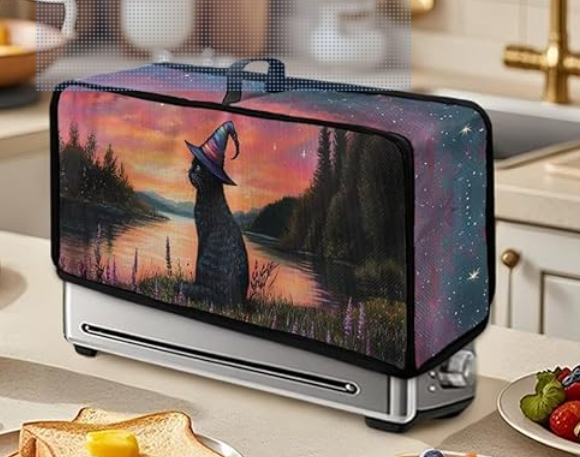 >
>
Michael Easter’s “Scarcity Brain” got me thinking. The book dissects how platforms exploit our evolutionary wiring – that urge to double down after a small win and to stockpile resources whenever possible. I realized the Vine program mirrored a casino or a TikTok feed, with unpredictable rewards, perceived scarcity, and constantly refreshing content.
Each login brought a new selection. Sometimes, the offerings were laughably irrelevant. Think endless pages of pink plastic disposable plates instead of porcelain. Yet, occasionally, genuinely useful items surfaced: light fixtures, tools, even clothing. My favorite ridiculous Eagle shirt from a recent music video? An Amazon Vine find.
I even roped in friends and coworkers, sharing the bounty and the workload. We’d request items together, review them, and they’d get to keep the products. It felt like a win-win… at first.
But something felt off as I completed enough reviews to “upgrade” my account. I found myself checking the Vine page daily, even when I didn’t need anything. It usually proved disappointing. Every so often, something desirable would pop up, triggering a frantic order. Scarcity and unpredictable rewards at play.
Then came the unpacking, photographing, and batch-writing of reviews. Every review stole time I’d rather spend elsewhere. Each questionable item contributed to pollution and waste, directly contradicting my core values. I recognized the pattern, but the cycle continued.
So, Was This the Downfall of MMM?
At the height of this consumerist binge, things were dire. Packages arrived daily. The recycling bin overflowed. I even hid boxes to avoid scrutiny from family members.
Thankfully, I started to recover. I realized that the Vine program was a form of procrastination, a way to appear productive when I was avoiding more meaningful activities. I knew hitting the gym, making progress on construction projects, and writing brought me genuine joy.
The Vine program’s inherent suckiness aided my recovery, too. For every useful item, I had to wade through a sea of useless trinkets. The terrible search functionality and lack of filters made the process feel like unpaid labor.
Then there was the laughably bureaucratic AI evaluation system, arbitrarily flagging reviews for no discernible reason. It underscored that reviewers are definitely low-wage workers, not VIPs.
This is What “F You Money” is For!
It occurred to me: this is what “work” often looks like. A system with rules and tasks, created by someone else, with limited input. As long as you follow directions, you get paid.
It brought back memories of my Uber driving experiment. I immediately saw ways to improve the system, but my ideas fell on deaf ears. These experiences remind me why I value being my own boss after 20 years of financial independence.
Final Numbers
One interesting detail? Amazon sends you a 1099 for the retail value of the free stuff. It’s not truly free, just discounted by your tax rate. My 2025 Vine haul totaled about $7,000, potentially owing up to $1,750 in taxes. Fortunately, much of it went to my business. Still, there’s about $1,000 of “nonsense” I’ll owe taxes on.
Tax Update: Based on reader feedback, you can often discount the estimated value by 80% because reviewing eliminates resale value. My tax bill will be closer to $50.
Epilogue
I haven’t officially canceled my account, but I’ve employed the “Keystone Habit” trick. The Vine bookmark now leads to my “Badassity Tracker,” a reminder to exercise instead of shopping. Writing this might even violate the Vine terms.
I’ve learned about habits and addiction. It’s the same feeling that keeps people working even when they can afford to quit. I’ve coached enough people through this to realize how common it is.
As with all my articles, there’s a real-life lesson here. Question your assumptions and patterns. Seek feedback from trusted sources.
Am I running my life optimally? What would you do differently? Who handles these things better than I do?
We will never be perfect, but slight course corrections can make a huge difference. We’re all on a long journey. Even a tiny shift in direction can change where we end up.

![[post_title]](https://samony.com.ng/wp-content/uploads/2025/12/1764607930_Why-you-should-reach-out-to-your-neighbours-this-Christmas-300x200.jpg?lm=692DC7BD "Holiday Loneliness: Connect with Neighbors for Community Cheer")
![[post_title]](https://samony.com.ng/wp-content/uploads/2025/12/1764607109_Most-People-Know-the-Importance-of-a-Will-But-Less-300x200.jpg?lm=692DC488 "Why Haven’t You Made a Will Yet? (And Why You Really Should)")
![[post_title]](https://samony.com.ng/wp-content/uploads/2025/12/Managing-Symptoms-and-Blood-Sugar-Levels-300x169.jpg?lm=692DC5B7 "Perimenopause and Sugar: Simple Swaps for a Balanced Diet")
![[post_title]](https://samony.com.ng/wp-content/uploads/2025/12/Preview-Fenerbahce-vs-Galatasaray-prediction-team-news-lineups.net2Fuploads2F20252F102Fyoussef-en-nesyr-300x171.webp?lm=692DBF1C "Istanbul Derby: A Title Race Showdown")
![[post_title]](https://samony.com.ng/wp-content/uploads/2025/12/1764605943_Lawyer-for-man-who-admitted-to-dismembering-wifes-body-says-300x200.jpeg?lm=692DBFFA "Walshe Trial: Decoding Deception and Domestic Tragedy")
![[post_title]](https://samony.com.ng/wp-content/uploads/2025/12/1764605186_Thomas-Frank-tries-to-make-up-with-disconnected-Spurs-fans-300x195.jpeg?lm=692DBD05 "Thomas Frank’s Tottenham Gamble: Appeasing Fans Amidst Slump")

![[post_title]](https://samony.com.ng/wp-content/uploads/2025/12/1764609625_The-best-festive-TV-from-comedies-to-rom-coms-to-watch-1024x683.jpg?lm=692DCE5D "Holiday TV Trends: More Choice or Same Old Cheer?")
![[post_title]](https://samony.com.ng/wp-content/uploads/2025/12/We-Have-Automated-The-Process-As-Soon-As-It-Gets.jpeg?lm=692DCED5 "Abia’s Digital Revolution: Real Progress, or Just Political Spin?")
![[post_title]](https://samony.com.ng/wp-content/uploads/2025/12/1764607930_Why-you-should-reach-out-to-your-neighbours-this-Christmas-1024x683.jpg?lm=692DC7BF "Holiday Loneliness: Connect with Neighbors for Community Cheer")
![[post_title]](https://samony.com.ng/wp-content/uploads/2025/12/1764607109_Most-People-Know-the-Importance-of-a-Will-But-Less-1024x683.jpg?lm=692DC489 "Why Haven’t You Made a Will Yet? (And Why You Really Should)")
