

![[post_title]](https://samony.com.ng/wp-content/uploads/2025/12/1764587542_Huntingdon-train-stabbing-suspect-court-update-as-trial-set-for-1024x538.jpg?lm=692D7817)
Analyzing the Huntingdon Train Stabbing Case: A Look Beyond the Headlines
The Huntingdon train stabbing case, with Anthony Williams facing a slew of charges including ten counts of attempted murder, has understandably grabbed headlines. Seeing such a concentration of violence – a mass stabbing on a train, preceded by other attacks – it evokes a sense of unease that resonates beyond the immediate details. The incident on the LNER train from Doncaster to London King’s Cross is now compounded by earlier alleged offenses. Williams now faces 21 counts, encompassing attempted murder, wounding, affray, theft, and weapons possession across multiple locations.
Initially, I see a familiar pattern. Public transportation, designed for communal benefit, becomes the scene of something intensely personal and brutal. It shakes public confidence in shared spaces. The fact that a 14-year-old boy was among the alleged victims heightens the emotional impact.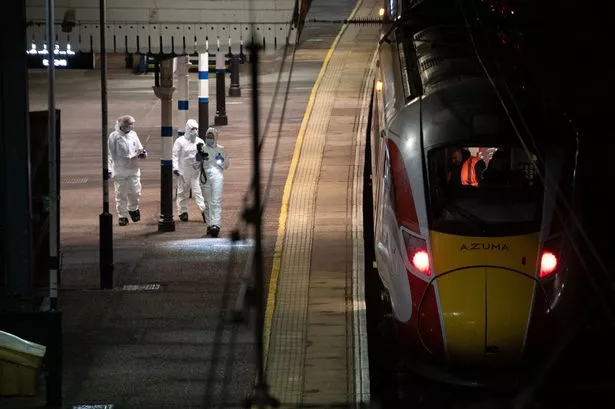 >
>
The suspect’s history leading up to the train incident also raises crucial questions. Williams is now linked to prior events in Peterborough and even a separate incident at Pontoon Dock DLR station, painting a picture of escalating violence. The alleged theft of knives from a store prior to the main incident highlights the need to ask, what interventions, if any, could have disrupted this sequence of events?
It’s worth noting the timeline. These alleged crimes stretch across a mere couple of days. This compressed timeframe indicates a rapid descent, prompting a need to dissect the contributing factors. Were there missed opportunities for mental health intervention? Did social safety nets fail? These are tough questions that need honest answers.
The court proceedings, too, invite scrutiny. Williams’ absence from the recent hearing is a small detail, but these details add up. Judge Mark Bishop scheduled a further hearing in late January and a provisional trial date far into the future, June 2026. The wheels of justice turn slowly, as they say, but the lengthy delay until trial certainly impacts those affected. Victims and their families endure prolonged uncertainty.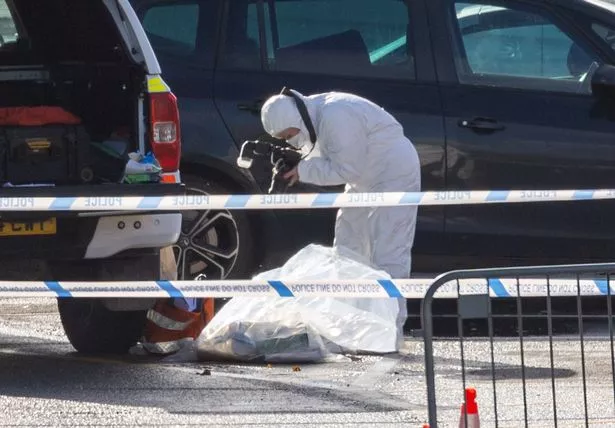 >
>
I can’t help but wonder about the media’s role in cases like these. The graphic details, while newsworthy, potentially contribute to a climate of fear. It’s a difficult balancing act – informing the public versus sensationalizing violence.
Given these facts, one must consider the bigger picture. What systemic issues are at play? The Daily Star makes a quick call to action at the end of this article, urging readers to sign up for their newsletters. While helpful, this sensationalistic plug seems tonally out of sync with the somber nature of the incident.
The referral of Cambridgeshire Police to the IOPC (Independent Office for Police Conduct), while not explicitly detailed in this article, suggests potential scrutiny of police actions before the train stabbing. The public deserves to know what exactly prompted this referral.
This challenge requires careful consideration. Preventative measures, early intervention strategies for mental health, and responsible media reporting are all part of the puzzle. These solutions demand investment and careful implementation.
The complexities of this case extend beyond a single act of violence. They force us to confront uncomfortable realities about mental health, social support systems, and the ripple effects of violence on individuals and communities. We can’t afford to look away. The stakes are simply too high. The upcoming trial will hopefully shed light on some of these questions. Still, proactive measures, driven by critical analysis, are essential to truly address the root causes of such tragedies.

![[post_title]](https://samony.com.ng/wp-content/uploads/2025/12/Buharis-ex-minister-Amaechi-rejects-VP-slot-insists-he-wants-to-300x162.jpg?lm=692D741C "Amaechi for President in ’27? Inside His Risky Power Play")
![[post_title]](https://samony.com.ng/wp-content/uploads/2025/12/1764586863_Yakubu-says-voodoo-claims-brought-shame-to-Nigeria-after-World-300x198.jpeg?lm=692D7571 "Nigeria’s World Cup Nightmare: Voodoo Accusations & a Coach’s Blame Game")
![[post_title]](https://samony.com.ng/wp-content/uploads/2025/12/1764586013_Why-KTM-would-be-wise-to-prepare-for-a-future-300x200.jpg?lm=692D7220 "KTM, Acosta, and MotoGP: Crossroads")
![[post_title]](https://samony.com.ng/wp-content/uploads/2025/12/These-great-Cyber-Monday-tech-deals-will-likely-be-gone-300x156.jpg?lm=692D700C "Deconstructing Cyber Monday Tech Deals")

![[post_title]](https://samony.com.ng/wp-content/uploads/2025/12/Summon-Tinubu-to-account-for-insecurity-Aisha-Yesufu-tells-1024x614.jpg?lm=692D7859 "Nigeria’s Security Crisis: Will the Legislature Hold Tinubu Accountable?")
![[post_title]](https://samony.com.ng/wp-content/uploads/2025/12/Buharis-ex-minister-Amaechi-rejects-VP-slot-insists-he-wants-to-1024x555.jpg?lm=692D741C "Amaechi for President in ’27? Inside His Risky Power Play")
![[post_title]](https://samony.com.ng/wp-content/uploads/2025/12/1764586863_Yakubu-says-voodoo-claims-brought-shame-to-Nigeria-after-World-1024x676.jpeg?lm=692D7572 "Nigeria’s World Cup Nightmare: Voodoo Accusations & a Coach’s Blame Game")
