Katana-Wielding Fugitive on the Loose: Analyzing the Hunt and Crime Trends
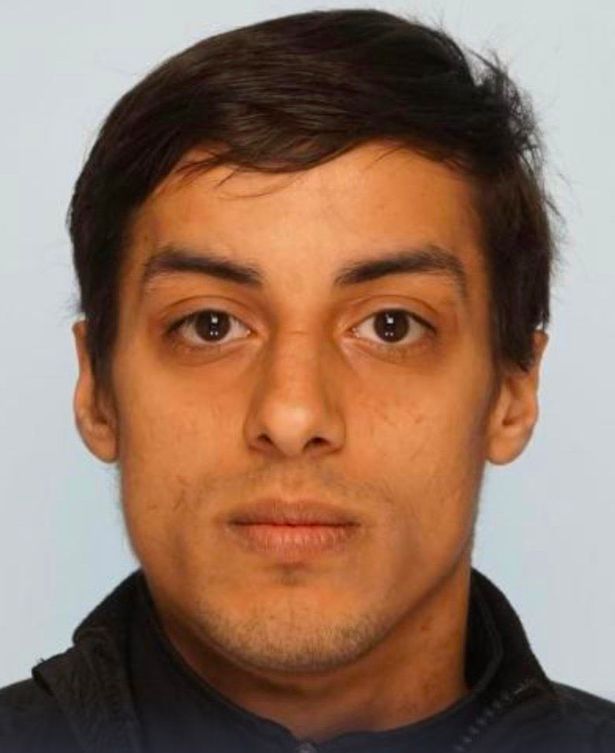
An Estonian man, Aivar Bresovski, is currently wanted across Europe, and the news raises a few interesting points about modern crime and law enforcement. Bresovski, accused of armed robbery and a violent stabbing with a katana, has landed on Europe’s “most wanted” list. They suspect he could be hiding in the UK.
This isn’t your everyday petty crime. The weapon of choice, a katana, hints at something beyond simple robbery. It suggests either a fascination with violence or a calculated attempt to intimidate. Still, the fact that a bladed weapon features so prominently speaks to a disturbing trend.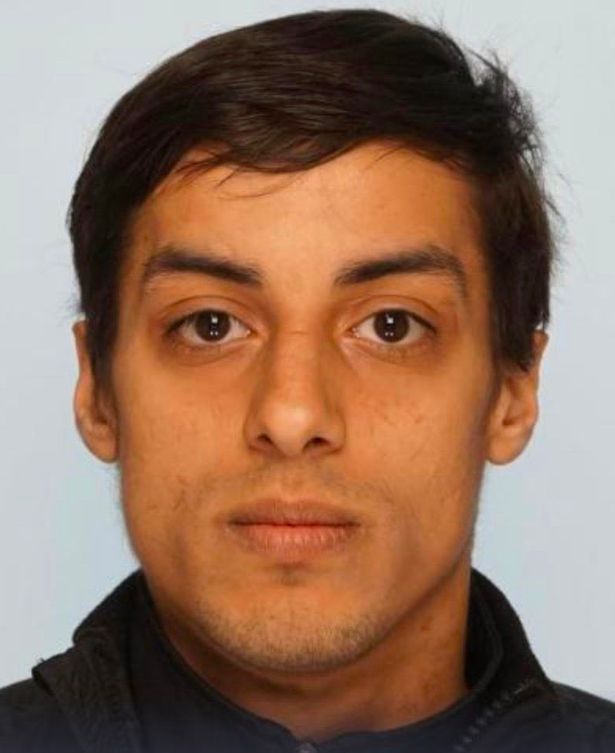 >
>
Europol coordinates this “most wanted” list. It serves a vital function, broadcasting information quickly and widely across borders. Yet, it also begs the question: how many criminals aren’t on the list but still pose a significant threat? The media spotlight focuses on the extreme cases, but it’s the consistent, everyday crimes that often erode public trust and safety.
The article mentions that Bresovski may be involved in organized crime. That elevates the stakes considerably. If that is the case, his capture becomes even more crucial. Organized crime networks have complex structures that enable them to operate across borders. These networks require ongoing collaboration between international law enforcement agencies.
Bresovski’s last known location was Finland, and they said he might be in the UK. That speaks volumes about the ease of movement within Europe. Open borders offer clear advantages for trade and tourism, but they equally facilitate the movement of criminals. Coordinating effective border control measures without stifling legitimate travel and commerce is a constant challenge. >
>
It’s worth noting Bresovski’s physical description, including brown eyes and facial scars. Those details are crucial for identification, yet they also underscore the limitations of relying solely on visual cues. In a world of digital manipulation and altered identities, law enforcement agencies need more than just a description. They need robust intelligence gathering and sophisticated identification techniques.
Looking at this specific case in Estonia. One man attacking and stabbing another for the purpose of robbery highlights the need for crime prevention strategies. The agency is conducting an ongoing investigation. These can vary widely. They might focus on addressing socioeconomic disparities that drive individuals to commit crimes or on strengthening community policing initiatives to improve public safety.
I remember a similar situation from a few years back. A fugitive evaded capture for months, hopping between countries, before they finally apprehended him based on a tip from a local business owner. That incident highlights the importance of public awareness and collaboration in solving these cases.
This challenge of tracking international fugitives is not new. Law enforcement has learned lessons from past failures. One improvement is the use of data analytics to identify patterns and predict potential hiding places. Even so, human intelligence remains essential.
Given these facts, several steps are necessary to help the capture. Increased collaboration between law enforcement agencies, advanced technological solutions for identification, and public awareness campaigns can help to mitigate risks.
One aspect that often gets overlooked is the psychological impact of these high-profile cases on the public. News of a “katana-wielding madman” understandably creates fear. Managing public perception and providing accurate information becomes just as important as catching the perpetrator. Sensationalizing these stories can breed panic. Balanced reporting can empower communities to stay informed and vigilant.
Still, there’s a bigger picture. Bresovski’s case is a stark reminder that crime is evolving. The rise of new technologies, the increasing interconnectedness of the world, and shifting social dynamics all create new opportunities for criminals. Law enforcement must adapt just as quickly. They need to not just catch criminals, but also understand the underlying forces that drive them.
To that end, it’s crucial to foster a culture of continuous learning within law enforcement. Sharing best practices, investing in advanced training, and promoting innovation are essential for staying ahead of the curve. In any case, the fight against crime is not a sprint but a marathon.


![[post_title]](https://samony.com.ng/wp-content/uploads/2025/12/Anthony-Joshua-Makes-Weight-For-Miami-Clash-With-Jake-Paul.jpg?lm=6933F6A2 "Joshua vs. Paul: Boxing’s Future or Just Another Sideshow?")
![[post_title]](https://samony.com.ng/wp-content/uploads/2025/12/1765013220_2Baba-accuses-family-of-destroying-marriage-300x150.jpg?lm=6933F6E7 "2Baba Family Feud: Unpacking Celebrity Relationship Controversies")
![[post_title]](https://samony.com.ng/wp-content/uploads/2025/12/1765013591_World-Cup-2026-live-England-Scotland-and-USA-to-learn-300x193.jpeg?lm=6933F85A "2026 World Cup: Navigating FIFA’s Politics, Logistics, and Legacy")
![[post_title]](https://samony.com.ng/wp-content/uploads/2025/12/OpenAI-beats-Google-Meta-and-Grok-in-all-AI-poker-tournament-300x169.jpg?lm=6933F3D9 "OpenAI’s AI Poker Win: A Glimpse into LLM Strengths and Flaws")
![[post_title]](https://samony.com.ng/wp-content/uploads/2025/12/Ned-Nwoko-Renews-Push-For-Social-Media-Regulation-After-Viral-300x169.jpg?lm=6933DAB6 "Nigeria Debates Social Media Regulation Amid Free Speech Concerns")

![[post_title]](https://samony.com.ng/wp-content/uploads/2025/12/PSG-vs-Rennes-predictions-Champions-to-respond-after-Monaco-defeat-1024x576.jpg?lm=6933FDAD "PSG vs. Rennes: Betting Tips, Analysis & Predictions for Ligue 1 Clash")