The harrowing tale of a Nigerian man who endured nearly three decades behind bars due to a wrongful conviction in Nigeria casts a harsh light on the systemic flaws within the nation’s justice framework. Arrested at just 19 years old, he spent an agonizing 29 years, eight months, and three days incarcerated for a crime he steadfastly denied committing. His only transgression, he recounted, was being present in the same room where a friend tragically passed away, a circumstance that tragically sealed his fate and condemned him to a prolonged period of injustice. This singular incident highlights the profound impact such judicial errors have on innocent lives, leaving an indelible mark on individuals and their families.
What is a wrongful conviction? A wrongful conviction occurs when an individual is found guilty of a crime they did not commit, often due to flawed investigations, coerced confessions, mistaken identity, or systemic legal failures. These grave miscarriages of justice can lead to devastating long-term consequences for the innocent and erode public trust in the judicial system, demanding urgent attention and reform.
Why wrongful convictions happen in developing nations like Nigeria often boils down to a confluence of factors. Inadequate police training, insufficient forensic capabilities, corruption, and a lack of proper legal representation for indigent defendants are frequently cited issues. The pressure to close cases quickly can sometimes lead to shortcuts, where circumstantial evidence or mere proximity to a crime scene is deemed sufficient for conviction, as seen in this man’s tragic experience.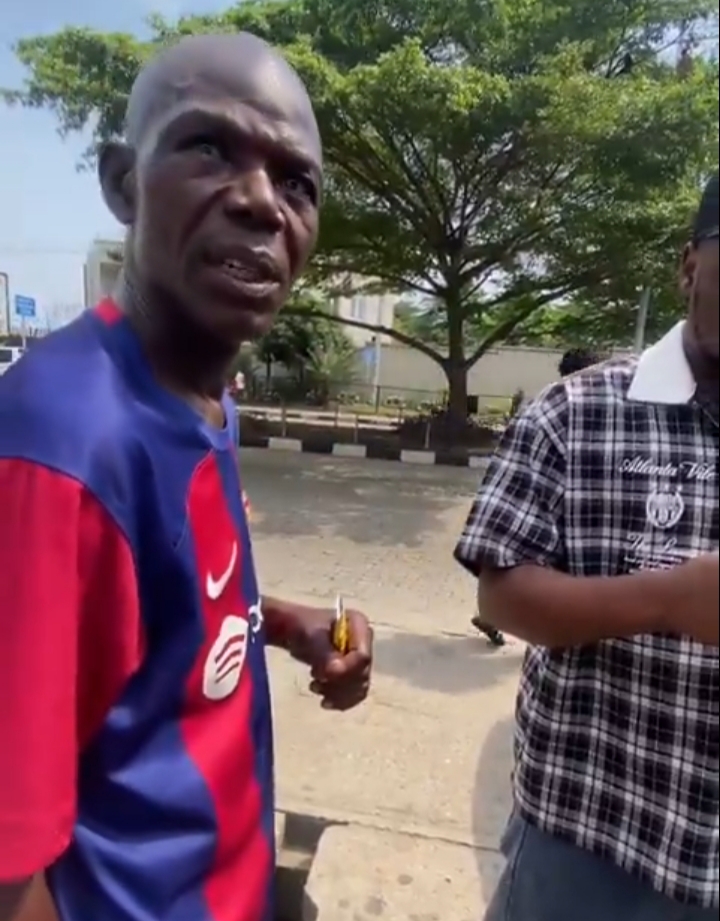
How to fight wrongful conviction once it has occurred presents an arduous and often financially crippling battle. For many, especially those without resources, navigating the complex legal appeals process is nearly impossible. Access to pro bono legal aid, diligent human rights organizations, and committed advocates are crucial for reopening cases and presenting new evidence that might prove innocence. Without such support, individuals can languish in prison for decades.
The stark contrast between a functioning justice system vs injustice Nigeria faces is a persistent challenge. While the ideal justice system upholds the principles of fairness, impartiality, and the right to a fair trial, the reality on the ground often falls short. Cases like this man’s underscore a system where due process is sometimes overlooked, and the burden of proof is inconsistently applied, leading to severe human rights violations and an erosion of public faith.
The concept of due process vs wrongful detention is fundamental to any democratic society. Due process guarantees that individuals are treated fairly under the law, including the right to a speedy trial, legal counsel, and the presumption of innocence. When these rights are disregarded, detention becomes wrongful, stripping individuals of their freedom without legitimate cause, and transforming the punitive system into a tool of oppression rather than justice.
For those seeking to understand the intricacies, the Nigerian justice system explained reveals a dual structure comprising customary, Sharia, and common law courts, which can sometimes lead to jurisdictional complexities and inconsistencies. Despite constitutional provisions for fundamental human rights, the practical implementation often struggles with issues of capacity, funding, and the sheer volume of cases, contributing to prolonged detentions and judicial backlogs that exacerbate the problem of wrongful convictions.
This particular wrongful conviction news update serves as a poignant reminder of the human cost of a flawed legal apparatus. It prompts a broader conversation about the urgent need for comprehensive reforms within the nation’s correctional and judicial sectors. The man’s liberation, while a cause for relief, cannot erase the lost years, the missed life milestones, and the deep psychological scars inflicted by decades of unwarranted imprisonment.
The call for Nigerian prison reform news is not new, but such stories inject renewed urgency into the discourse. Advocates consistently push for improved conditions, faster judicial processes, and mechanisms to review and overturn unjust sentences. Addressing these issues is vital not only for the welfare of inmates but also for strengthening the rule of law and ensuring that the justice system truly serves its purpose of protecting all citizens.
Looking ahead, the justice system Nigeria 2026 outlook must prioritize transparency, accountability, and the protection of fundamental human rights. This involves investing in training for law enforcement and judicial officers, modernizing court processes, and expanding access to legal aid for the vulnerable. Without these critical interventions, similar tragic stories of innocent lives lost to systemic failures are bound to recur.
Efforts to uphold human rights Nigeria 2026 report must document and address these prevalent issues. International bodies and local NGOs play a crucial role in monitoring human rights abuses, advocating for victims, and pushing for policy changes that prevent future miscarriages of justice. Their reports provide valuable data and pressure points for governmental action to ensure that citizens are protected from arbitrary arrest and wrongful imprisonment.
The long-term impact of such an ordeal is profound, extending far beyond the individual to their families and communities. Reintegrating into society after nearly 30 years is an immense challenge, requiring psychological support, economic assistance, and social acceptance. The story of this Nigerian man stands as a powerful testament to resilience, but also as a stark warning about the fragility of justice when systemic safeguards fail. His experience highlights the critical importance of continuous vigilance and advocacy against wrongful conviction in Nigeria.
“I went to prison at the age of 19. I spent 29 years, 8 months, and three days behind bars simply because I was sleeping in a room with a friend who later d!ed.”🥺🥹
—Man reveals pic.twitter.com/9khTFO5yyF
— CHUKS 🍥 (@ChuksEricE) January 3, 2026